

Using a firework firing system safely requires strict adherence to legal regulations and careful preparation. Choose an appropriate location with a clear safety zone and proper layout. Always wear essential personal protective equipment such as goggles and gloves. Handle fireworks with caution, using long-handled lighters to ignite them, and never attempt to relight duds. Ensure you have effective fire suppression measures in place, and be ready for emergencies with a clear response plan. By following these guidelines, you’ll be well-equipped for a safe and successful display.
Key Takeaways
- Always adhere to local laws and regulations, ensuring you obtain all necessary permits and licences for firework displays.
- Conduct thorough site inspections to establish safety zones and secure all wiring connections before ignition.
- Wear appropriate Personal Protective Equipment (PPE) such as goggles, gloves, and flame-resistant clothing to safeguard against hazards during handling.
- Appoint a sober operator for ignition, and light only one firework at a time to reduce risks.
- Create a clear emergency response plan, including evacuation routes and first aid stations, and regularly practise safety drills with all participants.
Understanding Firework Firing Systems
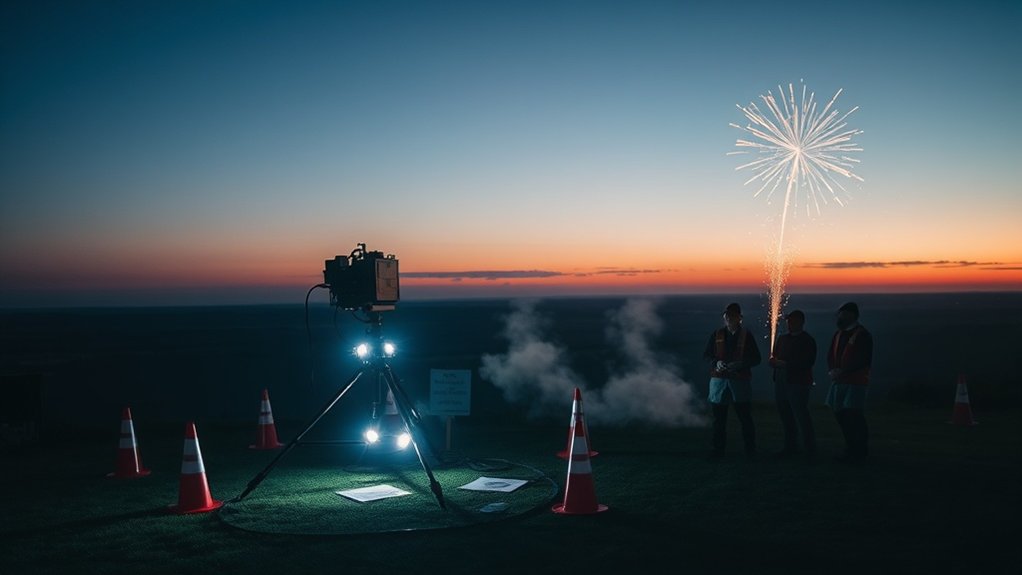
Understanding firework firing systems is crucial for ensuring safety and accuracy during displays. These systems use advanced technology, including control consoles, ignition modules, and wiring to create well-timed sequences. The control console serves as the command hub, allowing users to programme the timing of each firework. Reliable ignition sources, such as electric matches, convert electrical energy into heat for consistent firing. Properly connecting e-matches to fuses with secure crimping is vital for reliable performance. Safety features like closed-circuit designs and grounding protocols help prevent accidental discharges. Testing and safety checks are essential components that ensure the entire system operates flawlessly and safely. Additionally, these systems must comply with safety standards to mitigate potential hazards associated with fireworks. Whether employing manual or electronic systems, each component is essential for achieving a synchronised display. Familiarising yourself with these elements will improve your ability to execute safe and impressive firework shows.
Legal Requirements for Firework Displays
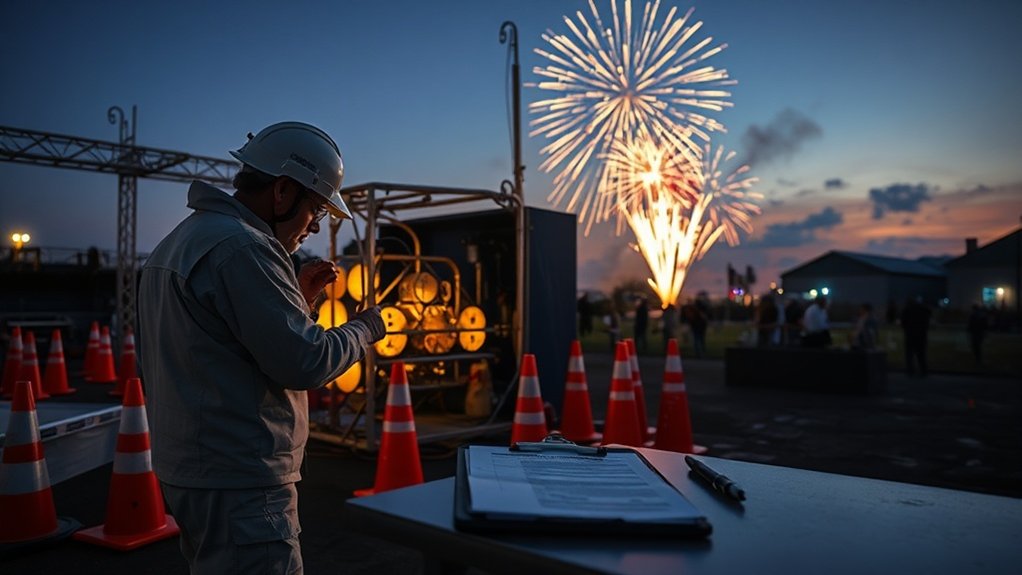
When organising a firework display in the UK, it’s crucial to follow local laws and regulations to ensure safety and legality. This includes adhering to the guidelines set out in the Health and Safety Executive (HSE) regulations, which cover safety measures and operational procedures. For instance, ensure you have the necessary permissions from your local council and that the display is conducted by a licensed operator. Familiarising yourself with these requirements is key to hosting a successful and safe event. Additionally, be aware that local authorities have enforcement authority regarding fireworks regulations to ensure compliance with safety standards. Obtaining an explosives licence from the HSE is a fundamental requirement for conducting professional displays.
Compliance With Local Laws
To ensure a safe and legal firework display in the UK, it’s crucial to adhere to local regulations concerning fireworks. These rules can differ significantly depending on your location, so it’s important to grasp the specific requirements for compliance. Generally, you’ll need to secure permits from local authorities, demonstrate financial responsibility, and show evidence of your qualifications as a display operator. Additionally, it is essential to remember that federal regulations on fireworks must be considered when planning your display, particularly if you’re operating near state borders. Compliance with local laws and safety measures is critical to avoid fireworks regulations penalties.
| Requirement | Description |
|---|---|
| Permits | Required from local councils and fire services |
| Financial Responsibility | Liability insurance is usually necessary |
| Operator Certification | May require a qualification or proof of experience |
| Local Variations | Rules can vary by region or local council |
For example, if you’re planning a fireworks display in London, you’ll need to check with the Greater London Authority for specific permits and regulations. Always ensure you’re fully compliant to avoid penalties and ensure safety for everyone involved.
NFPA 1124 Guidelines
NFPA 1124 outlines key guidelines for the legal requirements surrounding firework displays, ensuring safety and compliance.
It’s crucial to follow strict firework safety measures, such as limiting the height of merchandise displays and ensuring flame breaks for larger fireworks.
Keep aisles and escape routes clear, and ensure fire protection equipment is readily available, particularly in larger retail spaces.
Regularly check electrical systems and fire suppression measures for potential hazards.
When handling fireworks, follow proper ignition procedures and use covered fuse fireworks to reduce the risk of accidental ignitions.
Additionally, keep combustible materials at least 30 feet away from your retail area to lower fire risks and ensure a safe environment for everyone involved.
Site Selection for Safe Firing

Choosing a safe site for firing fireworks is vital for the safety of both operators and spectators. Your site layout should clearly outline dimensions, discharge points, spectator viewing areas, and designated fallout zones.
Ensure a minimum safety radius of 70 feet for every inch of the largest mortar diameter for aerial shells, and 75 feet for ground-based devices.
Consider environmental factors—stay clear of areas with strong winds or overhead hazards like trees and power lines.
It’s crucial to keep the fallout area clear of spectators and vehicles, and restrict public access during setup.
Always obtain the necessary approvals from local authorities to ensure compliance with safety regulations.
With proper planning and site selection, you can significantly reduce risks during your fireworks display.
Personal Protective Equipment (PPE) Essentials
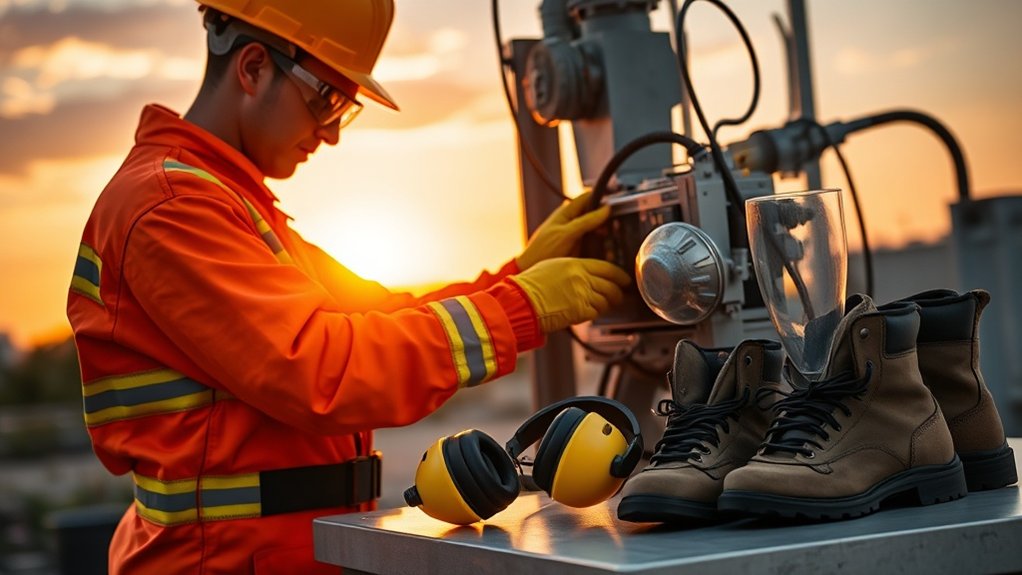
When handling fireworks, the importance of wearing the right personal protective equipment (PPE) can’t be overstated. Knowing what PPE you need and using it properly is essential for your safety.
Here’s a quick overview of the key items that will safeguard you from potential hazards during operations.
Firstly, always wear safety goggles to protect your eyes from sparks and debris. Hearing protection, such as earplugs, is also crucial due to the loud bangs associated with fireworks.
Sturdy gloves can shield your hands from sharp objects and hot surfaces, while a flame-resistant apron offers extra protection for your clothing and skin.
Finally, make sure to wear closed-toe shoes with thick soles to prevent injuries to your feet.
Importance of PPE
While fireworks can provide breathtaking displays, the significance of Personal Protective Equipment (PPE) in ensuring safety is crucial. Proper training and maintenance of PPE are essential for optimal protection.
Here are four key reasons to prioritise PPE:
- Injury Reduction: PPE significantly decreases the risk of injuries from flying debris and explosions.
- Legal Requirement: In the UK, many regulations require the use of PPE for both amateur and professional firework displays.
- Promoting Safety Awareness: Wearing PPE encourages a culture of safety and highlights the potential dangers associated with fireworks.
- Heat Protection: Items like gloves shield against burns and enhance grip control.
Always remember, prioritising PPE is vital for a safe and enjoyable fireworks experience.
Types of PPE
Understanding the various types of Personal Protective Equipment (PPE) is crucial for anyone involved in handling or viewing fireworks.
For eye protection, safety goggles offer excellent coverage, while safety glasses and full face shields provide varying degrees of protection against sparks and explosions.
When it comes to hand protection, heat-resistant gloves are essential, with thickness depending on the specific task.
Hearing protection shouldn’t be overlooked; disposable earplugs or earmuffs can help prevent serious damage from loud bangs.
For body and head protection, wear thick, flame-retardant clothing and sturdy footwear to shield against impacts and burns.
Proper PPE Usage
Using the right Personal Protective Equipment (PPE) is crucial for anyone involved in handling and displaying fireworks. Proper PPE protects you from potential hazards, ensuring your safety during the event.
To enhance your protection, keep these best practices in mind:
- Select Suitable Gear: Choose PPE that matches the specific conditions of the fireworks display.
- Inspect Regularly: Check your PPE for any signs of damage or wear to ensure it remains effective.
- Attend Training: Join training sessions to learn the correct usage of PPE and comply with safety standards.
- Maintain Your Equipment: Regularly look after your PPE to ensure it performs well when needed.
Handling and Igniting Fireworks Safely
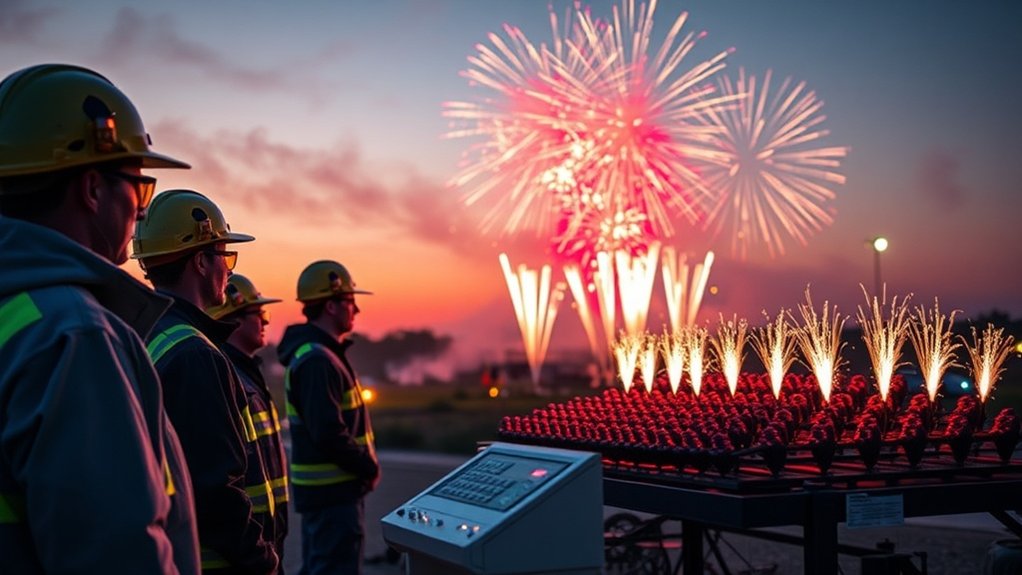
When handling and igniting fireworks, safety must come first to avoid accidents and injuries. Designate one sober person to light the fireworks, ensuring they can concentrate on the task.
Use long-handled lighters or sparklers to keep a safe distance during ignition. Always light fireworks one at a time to minimise the risk of multiple explosions. Never attempt to relight duds or fix malfunctioning fireworks, as this can result in serious harm.
Keep a safe distance from spectators and any flammable materials while igniting your fireworks.
It’s important to educate everyone involved about the hazards and the right techniques for lighting fireworks. By following these precautions, you can help ensure a safe and enjoyable experience for all.
Electronic Ignition Systems Explained
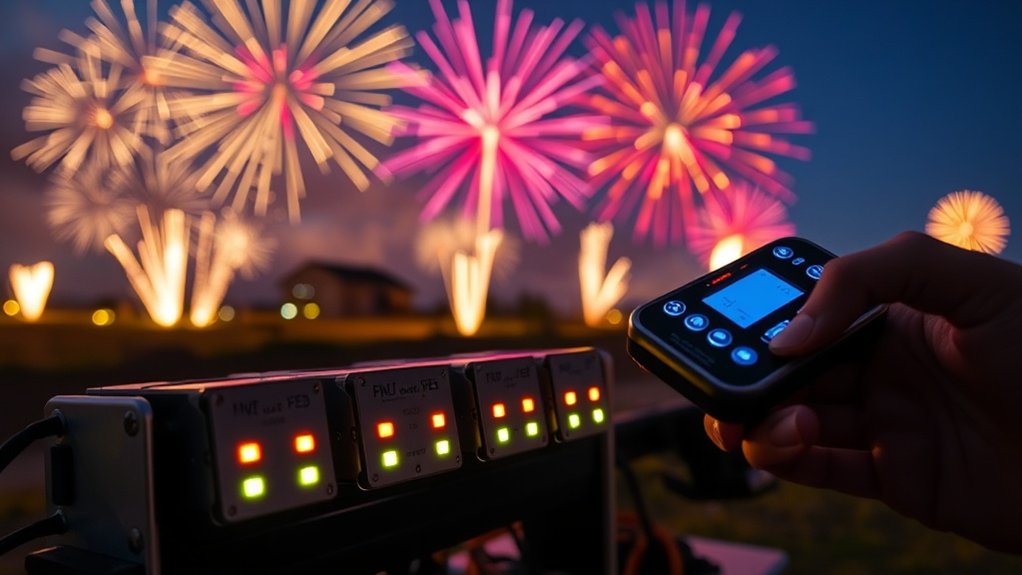
Electronic ignition systems provide important safety advantages by allowing you to ignite fireworks from a safe distance, reducing the hazards associated with manual handling.
Key components include a handheld controller and firing modules, which ensure precise timing and reliable ignition.
To enhance safety and performance, it’s crucial to adhere to proper setup and testing procedures before your display.
Benefits of Electronic Ignition
A reliable electronic ignition system provides several benefits for safely and effectively igniting fireworks.
By adopting modern technology, you can significantly enhance your display with better reliability and safety. Here are four key advantages:
- Increased Precision: Electronic systems enable almost instant ignition, allowing for accurate timing and synchronisation of your fireworks.
- Enhanced Safety: Fireworks can be ignited from a safe distance, reducing the risk of injury and limiting operator exposure to danger.
- Operational Efficiency: The quick setup using plug-and-play connectors streamlines preparation and helps minimise mistakes.
- Cost-Effectiveness: Modular systems can easily adapt to various sizes, from small gatherings to large events.
These benefits make electronic ignition systems essential for contemporary fireworks displays, ensuring a thrilling and safe experience.
Safety Features Explained
Understanding the safety features of electronic ignition systems is crucial for anyone involved in fireworks displays. These systems include several key innovations designed to improve ignition reliability.
For instance, redundant safety controls require a specific activation sequence, which helps prevent accidental ignition. Electrostatic discharge protection ensures that static electricity can’t unintentionally set off fireworks. Additionally, friction prevention mechanisms reduce the risk of fires.
Operating these systems remotely allows you to maintain a safe distance, protecting both yourself and spectators. Automatic shut-off functions can deactivate the system if there are malfunctions or if safety conditions aren’t met, enhancing overall safety.
Familiarising yourself with these features is essential for a successful and safe fireworks display.
Setup and Testing Procedures
When preparing for a fireworks display, it’s crucial to set up your electronic ignition system safely and effectively.
Follow these essential setup checks to ensure everything runs smoothly:
- Wiring Inspection: Check that all connections are secure and the polarity is correct before arming the system.
- Test Mode: Always conduct tests in test mode, ensuring that the green LED indicators confirm all channels are operational.
- Secure Igniters: Firmly attach igniters to fuses, making sure there are no loose connections that could cause misfires.
- Final Safety Check: Clear the area of people and any flammable materials before firing.
Conducting Wiring Continuity Tests
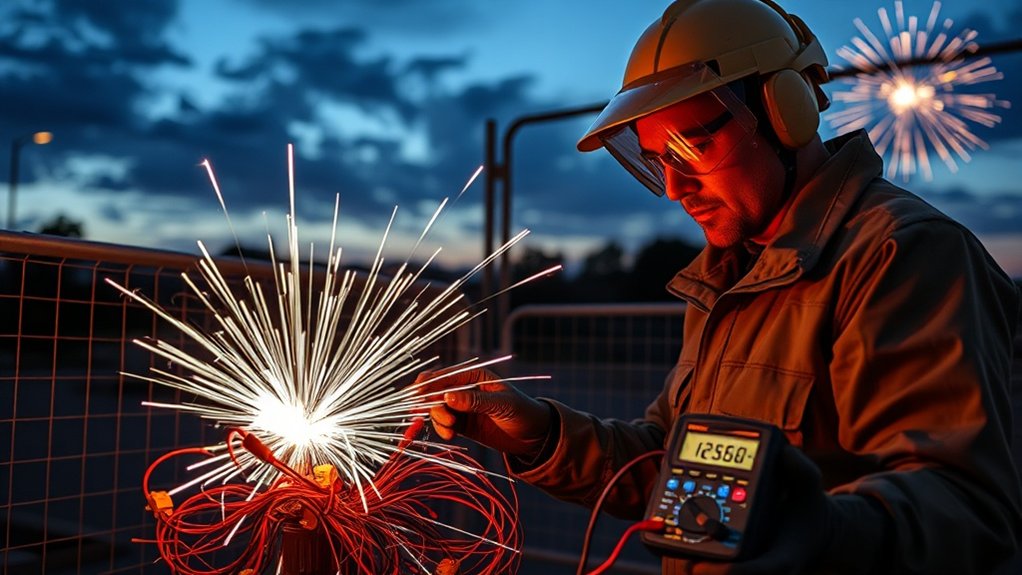
Conducting wiring continuity tests is crucial to ensure the electrical connection between the firing module and the igniter is intact. This process checks for any breaks or faults in the wiring, which is vital for reliable ignition.
It’s advisable to use a specialised blasting galvanometer to prevent accidental firing. Some digital multimeters can also safely test continuity with low current.
You can carry out continuity tests on individual firing modules or through centralised controllers, depending on your setup. In interpreting results, normal resistance indicates good wiring, while near-zero readings suggest a short circuit.
Always include these tests in your pre-show safety checks and document any issues you encounter. Remember, maintaining wiring integrity is essential for safe operation.
Preventing Cross-Coupling in Firing Logic

To ensure your firing system operates safely, it’s crucial to prevent cross-coupling in firing logic. Here are some essential practices for effective prevention:
- Use Insulated Wiring: Ensure all wiring is properly insulated to reduce electrical interference.
- Employ Isolation Techniques: Physically separate devices to prevent accidental firing when they’re placed close together.
- Implement Frequency Shielding: Protect against radio frequency signals that might unintentionally trigger firing sequences.
- Conduct Regular Maintenance: Regularly check your firing system to spot potential issues before they lead to failures.
Secure Control of Firing Equipment
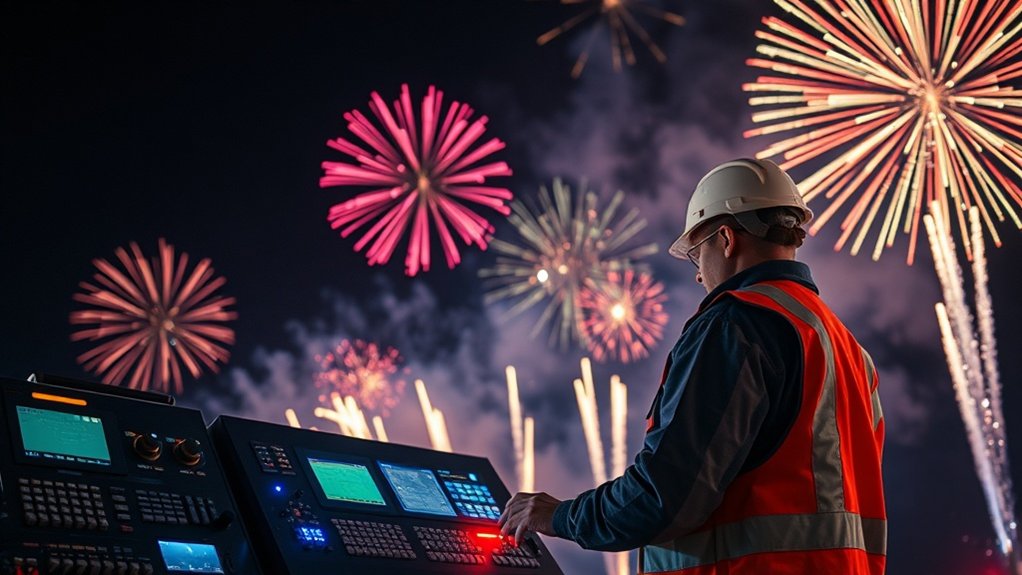
Preventing cross-coupling in firing logic is crucial for secure control of firing equipment. To ensure safe operation, store firing control panels in locked, tamper-proof enclosures. Access should be limited to trained and authorised personnel, adhering to strict security protocols.
Use key switches to secure the systems and prevent unauthorised activation. Establish controlled entry points and install surveillance to monitor equipment areas. It’s vital to display warnings about restricted access to pyrotechnic firing equipment.
Additionally, implement multi-factor authentication for operator access and maintain thorough training and certification processes. Use checklists and logs to track who accesses the firing controls.
Prioritise safety with interlock systems and redundant checks to confirm readiness before initiating any firing sequence.
Emergency Preparedness for Firework Events
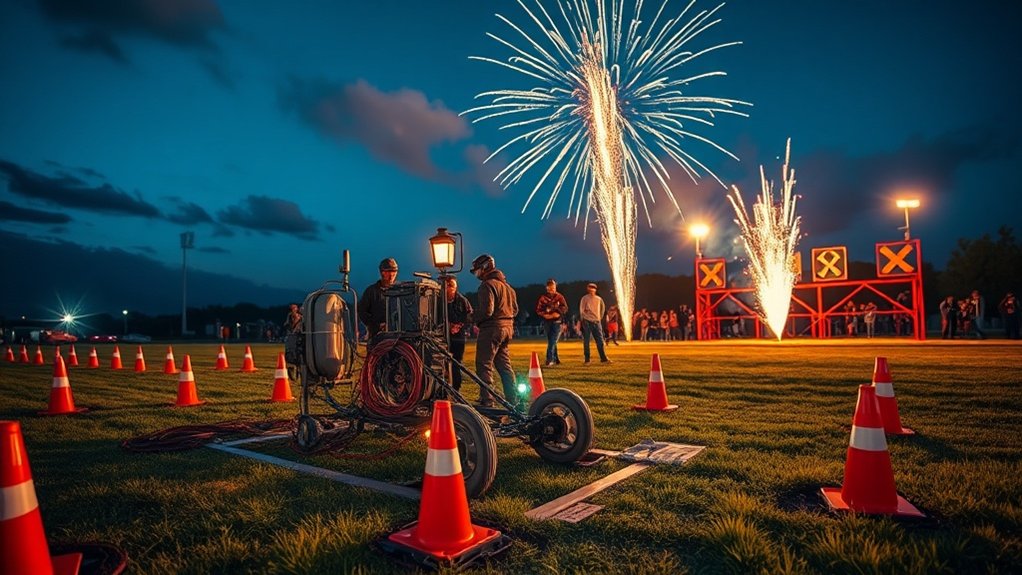
When organising a fireworks event, prioritising emergency preparedness is crucial for the safety of all attendees. Here are some essential steps to take:
- Conduct emergency drills with your team so everyone understands their roles during a crisis.
- Provide training for stakeholders that focuses on safety protocols and communication methods.
- Develop an emergency response plan that clearly outlines evacuation routes and first aid locations.
- Establish a unified command structure to ensure effective communication among all parties involved.
Fire Suppression Equipment and Techniques
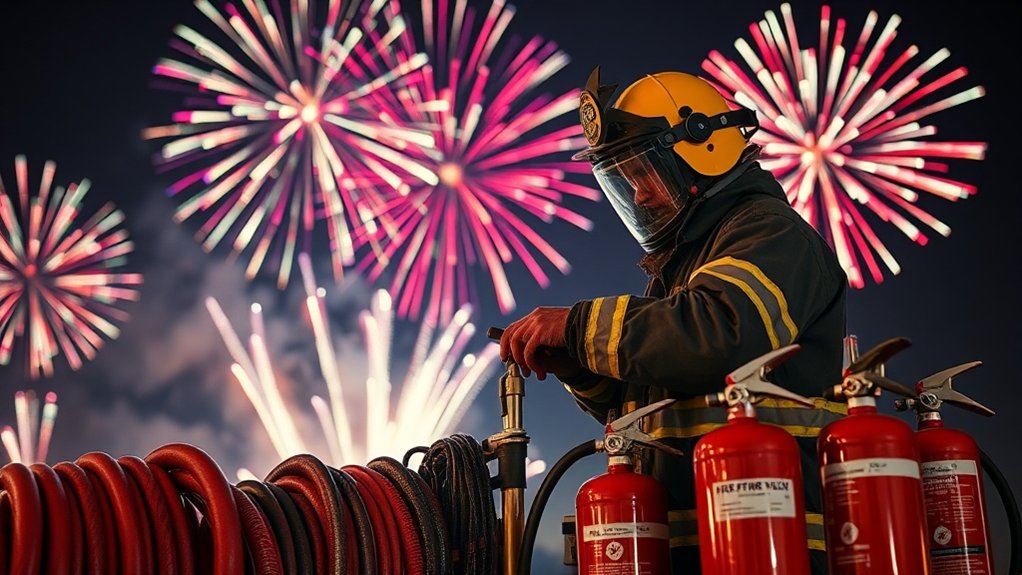
Effective fire suppression equipment and techniques are crucial for managing the risks associated with fireworks. Use fire extinguishers rated for Class A and Class B fires, ensuring they’re easily accessible near storage and firing areas.
Regular maintenance of these extinguishers is vital for readiness and compliance with safety regulations.
Avoid using water on flammable liquid or electrical fires; instead, use the PASS method: Pull, Aim, Squeeze, and Sweep for effective extinguishing.
Establish fire breaks and maintain clear zones to limit the spread of fire. Conduct fire suppression training specifically for fireworks, ensuring all staff can respond quickly and correctly.
For high-risk areas, consider automatic fire suppression systems to further reduce the chances of ignition.
Best Practices for Spectator Safety
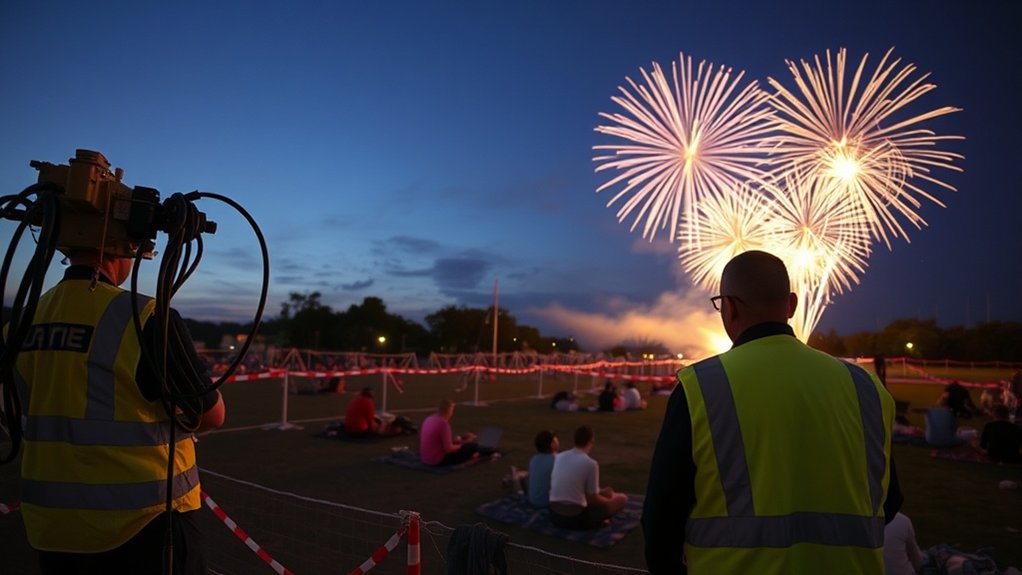
Ensuring spectator safety is crucial during any fireworks display, as taking the right precautions can significantly minimise the risk of accidents.
Here are some best practices to follow:
- Keep Your Distance: Maintain a distance of at least 25 feet from ground-based fireworks and 100 yards from aerial displays to ensure everyone’s safety.
- Supervise Children: Always keep an eye on children and ensure they’re at a safe distance from the fireworks.
- Monitor Weather Conditions: Check the weather before the event, as strong winds can change the direction of the fireworks.
- Manage the Crowd: Use barriers to manage crowd movement and keep everyone at a safe distance from the display area.
Following these guidelines will help create a safe and enjoyable experience for all.
Frequently Asked Questions
What Should I Do if a Firework Misfires or Fails to Ignite?
If a firework misfires, prioritise safety by waiting at least 20 minutes before approaching it. Douse it with water, don’t attempt to handle it, and follow the proper disposal procedures. Always put safety first to avoid injuries.
Can I Use Homemade Fireworks With a Firing System?
You shouldn’t use homemade fireworks with a firing system. They can be unpredictable and dangerous, breaching safety regulations. Stick to professionally manufactured fireworks for a safer experience and to avoid the serious risks that come with DIY firework setups.
How Far Should Spectators Be From the Firing Site?
Spectators should keep a minimum distance of 100 yards from the firing site for aerial fireworks. Following safety guidelines and checking product labels ensures everyone remains safe during the display. Always prioritise distance.
What Is the Proper Way to Store Fireworks Before Use?
Storing fireworks like your favourite sweets isn’t a good idea. Keep them in a cool, dry, locked shed, away from anything flammable. Always follow safety guidelines, check for any damage, and ensure children can’t access them.
Are There Age Restrictions for Operating a Firework Firing System?
Yes, there are age restrictions for operating a firework firing system in the UK. Generally, operators must be at least 18 years old to ensure they have the necessary training and maturity to handle the associated risks safely. For instance, this rule helps prevent accidents during events like Bonfire Night or organised displays, where safety is paramount.
Conclusion
In summary, prioritising safety when using firework firing systems is crucial. In 2020, over 18,500 fires were reported in the U.S. due to fireworks, which underscores the need to follow legal guidelines, choose appropriate sites, and wear personal protective equipment. By adhering to best practices and preparing for emergencies, you can significantly reduce risks and ensure a safe environment for yourself and your audience. Enjoy the display, but always prioritise safety!


