If your stored fireworks get wet, do not attempt to light them. Remove them from any damp packaging and place them outside in a cool, dry area to dry thoroughly. You can use fans to improve ventilation. Once dry, inspect them for any damage and wear protective gear when handling. For disposal, soak the fireworks in water for at least 15 minutes, drain any excess water, and then bag them securely. Proper handling and storage of fireworks are crucial for safety and ensuring they last.
Key Takeaways
- Remove any fireworks from damp packaging straight away to reduce moisture exposure and prevent damage.
- Never attempt to light wet fireworks, as they can malfunction in unpredictable ways.
- Place wet fireworks in a cool, dry, and shaded area to allow them to dry out properly.
- Use fans to improve ventilation and speed up the drying process.
- Once dried, check the fireworks for any visible damage before deciding to dispose of them or use them.
Understanding the Risks of Wet Fireworks

When storing fireworks, it’s essential to understand that moisture can significantly affect their safety and performance. Wet fireworks can lead to issues with ignition components and chemical reactions, resulting in malfunctions or misfires. For example, damp fuses can short-circuit, causing delayed ignition, which makes them unpredictable. This unpredictability increases the likelihood of users attempting to relight wet fireworks, leading to serious injuries. Additionally, over 46% of injuries involved unknown types of fireworks, often due to poor labeling or awareness, which can be exacerbated if the fireworks are wet. It’s crucial to remember that moisture can also compromise the chemical stability of fireworks, potentially producing hazardous smoke or toxic gases when lit. Furthermore, handling wet fireworks can be risky, as they become more fragile and may obscure important safety labels. Always prioritize proper storage to mitigate these risks and ensure your fireworks remain safe and reliable for use. Regular inspections can help identify any signs of humidity-related damage, allowing you to take preventive measures before issues escalate.
Recognizing Signs of Moisture Damage
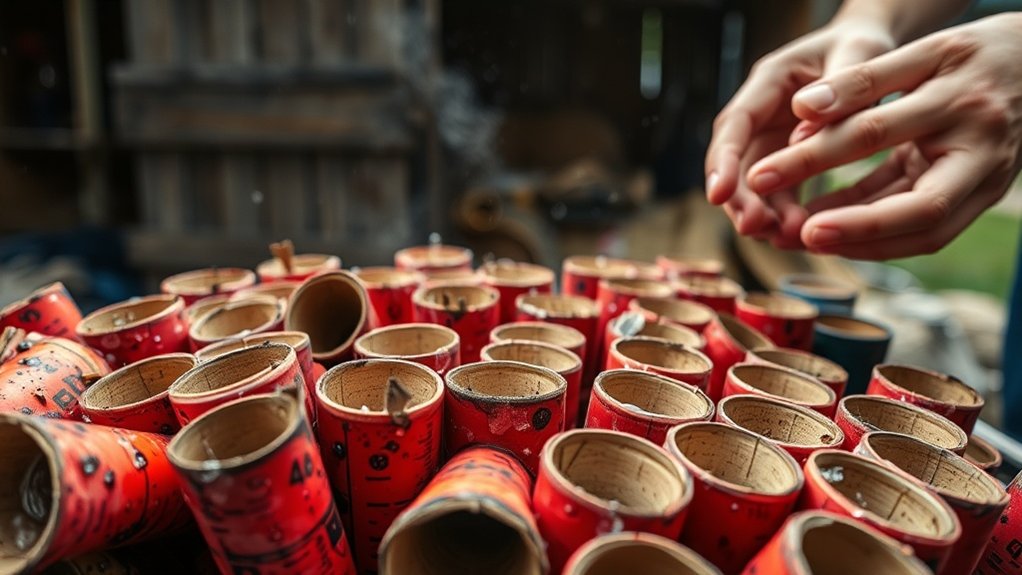
Moisture damage can be subtle, but there are clear signs that indicate fireworks may no longer be safe to use. Start by checking the packaging; if the cardboard feels soft or warped, that’s a strong sign of moisture exposure. Look for visible damage such as dents, tears, or water stains, as these can also indicate that the fireworks have been compromised. Pay special attention to the condition of the fuse; while it’s typically waterproof, damage to the packaging can affect its effectiveness. Be on the lookout for unusual smells or discolouration, which may suggest moisture has gotten in. Remember, wet fireworks can lead to unstable ignition, shorter burn times, or unpredictable behaviour, making them dangerous. If you spot any of these signs, it’s wise to err on the side of caution and avoid using the fireworks. It is important to note that water-damaged fireworks can ignite unpredictably, further increasing the risk of accidents.
Immediate Actions to Take When Fireworks Get Wet

If you find that your fireworks have got wet, it’s crucial to act quickly to prevent further damage and ensure safety. First, take them out of any damp packaging to stop moisture from accumulating. Never try to light wet fireworks, as this raises the risk of malfunction. If you can’t dry them out right away, place the wet fireworks outdoors in a cool, dry, shaded spot. It’s important to remember that fireworks cause an average of 19,000 fires each year, highlighting the need for caution even when handling wet products.
| Action | Purpose | Safety Measure |
|---|---|---|
| Remove from packaging | Reduce moisture exposure | Avoid attempts to ignite |
| Air dry on absorbent surfaces | Allow for natural drying | Keep away from any flames |
| Use fans for ventilation | Speed up the drying process | Monitor closely |
| Check for damage after drying | Ensure the fireworks are safe | Wear protective gear |
Safe Storage Practices to Prevent Moisture Damage

Proper storage practices are crucial for keeping your fireworks safe from moisture damage.
Store them in a climate-controlled space that’s dry and well-insulated to prevent humidity fluctuations. Use airtight containers, like metal boxes or moisture-absorbing packets, to shield your fireworks from moisture and air exposure.
Regularly check your storage area for any signs of dampness and monitor humidity levels with gauges. Ensure that ignition sources and flammable materials are kept well away from your fireworks to minimise fire risks. Additionally, proper storage conditions can significantly extend the shelf life of your fireworks.
How to Properly Dispose of Wet Fireworks
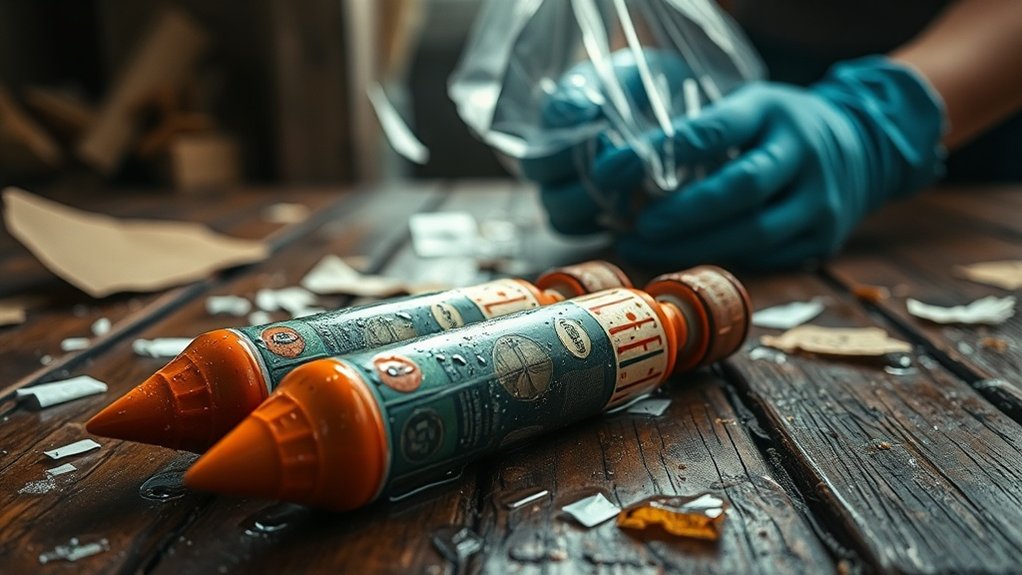
When fireworks get wet, it’s essential to dispose of them safely to avoid fire hazards. Start by soaking the fireworks in a large bucket of water for at least 15 minutes, or up to 24 hours for unused items. This ensures all chemical fuels are completely extinguished.
After soaking, drain any excess water and place the fireworks in double plastic bags to keep them moist and reduce fire risks. Seal the bags tightly to prevent air exposure.
You can then dispose of the double-bagged fireworks in your regular household rubbish. However, never put dry or unsoaked fireworks in the bin. Always check your local regulations for specific firework safety and disposal methods to ensure you’re compliant. Improper disposal can lead to fire hazards associated with fireworks and environmental damage.
The Importance of Never Attempting to Dry Fireworks

Trying to dry wet fireworks might seem like a simple fix, but it can be extremely dangerous.
Moisture can compromise the fireworks’ structure, increasing the risk of misfires or unexpected explosions. Weak cardboard and mechanical parts can fail, leading to erratic trajectories that could harm you or bystanders.
Even if they look dry, leftover moisture can cause delayed ignitions, resulting in dangerous blasts.
Experts strongly advise discarding any fireworks that have been wet, as the risks far outweigh any potential benefits of trying to salvage them.
For your safety, never attempt to light wet or previously dried fireworks.
Safe Handling Guidelines for Wet Fireworks

Handling wet fireworks requires following strict safety guidelines to avoid accidents and injuries.
Never drop or handle wet fireworks roughly, as this can lead to accidental ignition. Always store them in their original packaging or a secure, fire-resistant container to prevent moisture exposure.
When transporting, ensure they’re secured to protect both people and property. Avoid using heat sources or flames to dry them out.
It’s advisable to wear personal protective equipment, such as gloves and safety glasses, to shield against chemical exposure. Keep a water supply handy for emergencies.
Designate a responsible adult to supervise handling, and maintain a safe distance for those untrained. Regular safety training helps ensure everyone understands these vital protocols for managing wet fireworks.
Preparing for Firework Displays in Wet Conditions
Before planning your firework display in wet conditions, check the condition of your fireworks to ensure they’re safe to use.
Select a location that reduces exposure to moisture and offers stable footing for setting up and launching.
These steps will help you stay safe and ensure your fireworks perform well, even in challenging weather.
Assessing Firework Condition
Assessing the condition of stored fireworks after exposure to moisture is crucial for a safe and successful display. Start with a thorough inspection, looking for visible moisture and signs of water intrusion. Check for swollen casings and ensure fuses are intact; wet or frayed fuses can result in misfires. If you discover any damage, it’s best to avoid using those fireworks.
| Condition | Action Required | Safety Risk |
|---|---|---|
| Visible Moisture | Discard | High |
| Swollen Casings | Discard | High |
| Damaged Fuses | Discard | Critical |
| Dry but Suspect | Consult Manufacturer | Moderate |
| No Damage | Proceed with Caution | Low |
Always prioritise safety and adhere to manufacturer guidelines.
Choosing Safe Locations
When planning a firework display in wet conditions, selecting the right location is crucial for safety and effectiveness. Choose high ground to reduce water build-up and avoid low-lying areas that are prone to flooding.
Ensure your display area has good drainage and be aware of any electrical hazards that could be dangerous. If possible, set up under a covered area or canopy to protect your fireworks from rain.
Always store fireworks safely in waterproof containers, especially in damp environments. Keep an eye on the weather as your display approaches and have a backup plan ready for any sudden changes.
Inspecting Fireworks Before Use

Inspecting fireworks before use is crucial for ensuring a safe display. Start with a careful inspection to check for any damaged, leaking, or damp shells. If you find any issues, don’t use those shells.
Next, assess moisture levels, particularly if they’ve been stored in moist conditions. Ensure that the shells fit correctly in their mortars to avoid misfires.
Keep your ready boxes secured and at least 25 feet away from the firing area. Always check the weather, as adverse conditions can make firing unsafe.
Lastly, follow all safety regulations and ensure that licensed operators are overseeing the display. Proper preparation and thorough inspection can significantly lower the risks during your fireworks event.
Emergency Measures During Firework Displays

During firework displays, it’s essential to have clear action steps in place for emergencies.
Ensure that safety equipment, such as fire extinguishers and first aid kits, is readily accessible for quick response to any incidents.
Preparing in advance can significantly reduce risks and provide a safer experience for everyone involved.
Immediate Action Steps
If fireworks get wet, it’s essential to act quickly to prevent further damage and ensure safety.
First, check how wet they are. If they’re damp, move them to a cool, dry place until you can handle them properly.
Never attempt to use any damaged or wet fireworks, as this can lead to serious safety hazards. Instead, soak them in water before disposing of them to avoid any fire risks.
Always have a fire extinguisher or a bucket of water nearby during displays, as emergencies can happen.
Safety Equipment Preparedness
Fireworks offer breathtaking displays, but safety must come first. Ensure you and your team are equipped with essential PPE, such as safety goggles, heat-resistant gloves, and fire-retardant clothing.
Closed-toe shoes are crucial for foot protection, while ear protection can help prevent hearing damage from the loud bangs.
Always have fire extinguishers, garden hoses, and buckets of water at hand for quick action in case of a fire. Check that your fireworks are completely dry before use, as wet fireworks can behave unpredictably.
Clear communication is vital for coordinating the display effectively.
Training is essential—make sure everyone is familiar with emergency procedures and follows safety regulations to reduce risks.
Your attention to detail can significantly enhance the safety and success of your fireworks event.
Legal Regulations on Firework Disposal
Understanding the legal regulations regarding firework disposal is crucial, as improper handling can result in hefty fines. Firework safety depends on following UK laws. Always check the specific disposal methods required in your area.
| Regulation Type | Key Points |
|---|---|
| National Regulations | Governed by the Environmental Protection Act. |
| Local Laws | Many councils have specific disposal rules. |
| Community Guidelines | Local authorities may enforce additional measures. |
Improper disposal can damage the environment and jeopardise public safety. Always soak used fireworks in water before disposal, double-bag them securely, and consult your local waste facility for guidance. Remember, following the rules protects both you and your community.
Tips for Safe Firework Storage Year-Round

When storing fireworks, select a cool, dry, and well-ventilated area to avoid moisture and heat damage.
Use airtight containers with protective packaging to keep them safe throughout the year.
Proper storage conditions are crucial for ensuring the safety and integrity of your fireworks.
For example, a garage or shed that isn’t exposed to direct sunlight and dampness would be ideal.
Ideal Storage Conditions
To ensure your fireworks remain safe and effective throughout the year, it’s vital to store them under the right conditions. Proper insulation and moisture barriers are crucial to prevent deterioration and maintain performance.
Here are some straightforward tips for optimal storage:
- Keep the temperature between 18°C and 24°C to avoid chemical instability.
- Maintain relative humidity below 50% to stop moisture absorption.
- Store in a cool, dry, dark, and well-ventilated area, away from heat sources like radiators.
- Regularly check for leaks or condensation to ensure a safe environment.
Protective Packaging Methods
Once you’ve ensured your fireworks are stored under suitable conditions, using the right packaging is crucial for their long-term protection.
Opt for waterproof polyethylene or vinyl tarpaulins to guard against moisture and UV light. For extended storage, airtight and water-resistant containers lined with cushioning materials can prevent damage and minimise moisture exposure.
Including desiccant packs can help absorb excess humidity. If you choose to use tarpaulins, make sure they’re breathable to avoid condensation issues.
Additionally, wrap fireworks in sealed plastic bags and store them upright to prevent water pooling.
Frequently Asked Questions
Can I Use Wet Fireworks if They Seem Dry Afterward?
No, you shouldn’t use wet fireworks, even if they appear dry afterwards. Firework safety is crucial; drying them out won’t ensure they’re safe to use, as their structure might be compromised, leading to unpredictable outcomes. It’s better to err on the side of caution—if they’re wet, don’t use them.
How Long Can Fireworks Stay Wet Before Becoming Dangerous?
Fireworks can become hazardous almost immediately upon exposure to moisture. Even a short period of getting wet can lead to serious safety risks, rendering them unpredictable. If they do get damp, it’s best to dispose of them straight away.
Are There Specific Disposal Regulations for Fireworks in My Area?
Yes, you should check your local regulations for disposing of fireworks. Many areas have specific requirements, such as soaking them in water or wrapping them securely, to ensure safety. Always consult your local council for the latest guidelines and disposal methods.
What Materials Are Safe for Storing Fireworks Long-Term?
For long-term storage of fireworks, opt for fire-resistant containers made from metal or plastic. Ensure they are sealed tightly to keep out moisture. Store them in a cool, dry place with good air circulation to prevent dampness and enhance safety.
How Can I Tell if Fireworks Are Still Usable After Drying?
To determine if fireworks are still usable after drying, check for any physical damage, ensure the fuse is intact, and confirm there’s no leftover moisture. Use appropriate drying methods, and it’s wise to test one firework safely before using them all.
Conclusion
If your fireworks get wet, act quickly! Dry them thoroughly and check for any damage. If they’re too damaged, dispose of them properly. Always prioritise safety; store your fireworks in a cool, dry place to avoid moisture in the first place. By being prepared, you can ensure your celebrations are safe and enjoyable. Enjoy the festivities, but keep safety in mind!