

Mixing sparklers with other small fireworks is risky. It significantly heightens the chances of severe burns and accidents due to the intense heat and potential for explosions. Sparklers burn at about 1,100 degrees Celsius, and adding other fireworks increases the danger. Always supervise their use and keep a safe distance. For a safer experience, follow additional firework safety guidelines and strategies.
Key Takeaways
Mixing sparklers with other fireworks greatly heightens the risk of serious burns and injuries. The explosive nature of certain fireworks can result in dangerous blasts and flying debris when used together with sparklers.
If you’re using sparklers alongside other fireworks, it’s essential to supervise closely, particularly with children around. A safer approach is to use sparklers on their own and keep a safe distance from other fireworks to reduce hazards.
Always adhere to local regulations regarding the use of sparklers and other fireworks to ensure safety.
Understanding Sparkler Hazards
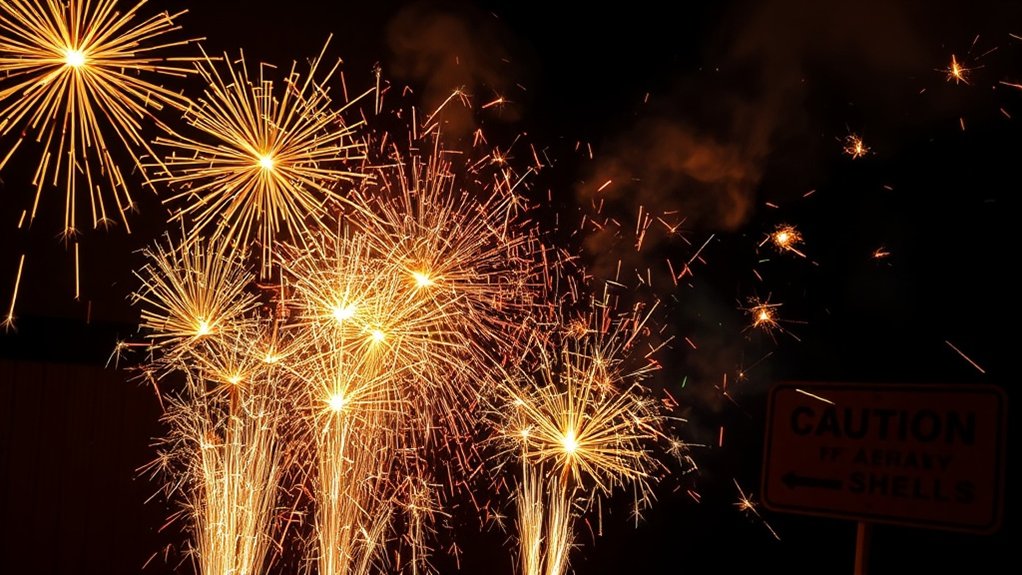
How can something as seemingly innocent as a sparkler be hazardous? While they’re often a fun addition to celebrations, sparklers burn at around 1,100 degrees Celsius (2,000 degrees Fahrenheit), which can cause severe burns on contact.
Injury statistics show that burns account for 37% of all firework-related visits to A&E, with children under five suffering half of those injuries. The most common injuries occur to hands and fingers, followed by the head and face, with eye injuries making up about 14% of incidents. In 2023, 9,700 fireworks injuries were treated in emergency rooms, highlighting the frequency of such incidents. Statistics indicate that children under five account for 40% of sparkler injuries, emphasizing the need for vigilance.
To ensure safety when using sparklers, always supervise children closely, keep flammable materials away, and never use them if under the influence of alcohol or drugs.
Being aware of these dangers can significantly reduce the risk of serious injury.
The Risks of Combining Sparklers With Other Fireworks

While sparklers can be fun, using them alongside other fireworks significantly raises the risks. When combined, the chance of severe burns increases, as sparklers burn at around 1,100 degrees Celsius. This can lead to serious injuries, including burns and facial harm, especially if a flare-up occurs. Moreover, mixing different fireworks can create hazardous fire and chemical burn scenarios. The explosive nature of some fireworks further elevates these dangers, resulting in injuries from blasts and flying debris. These varied injuries complicate treatment, as they may involve both thermal and chemical burns. To ensure safety, it’s crucial to be aware of these risks and take necessary precautions when considering the use of sparklers with other fireworks. Sparklers account for 31% of fireworks injuries, highlighting the importance of careful handling and supervision. It’s essential to remember that in 2021, approximately 11,500 firework-related injuries were reported in the UK, emphasizing the need for vigilance.
Safety Guidelines for Using Sparklers
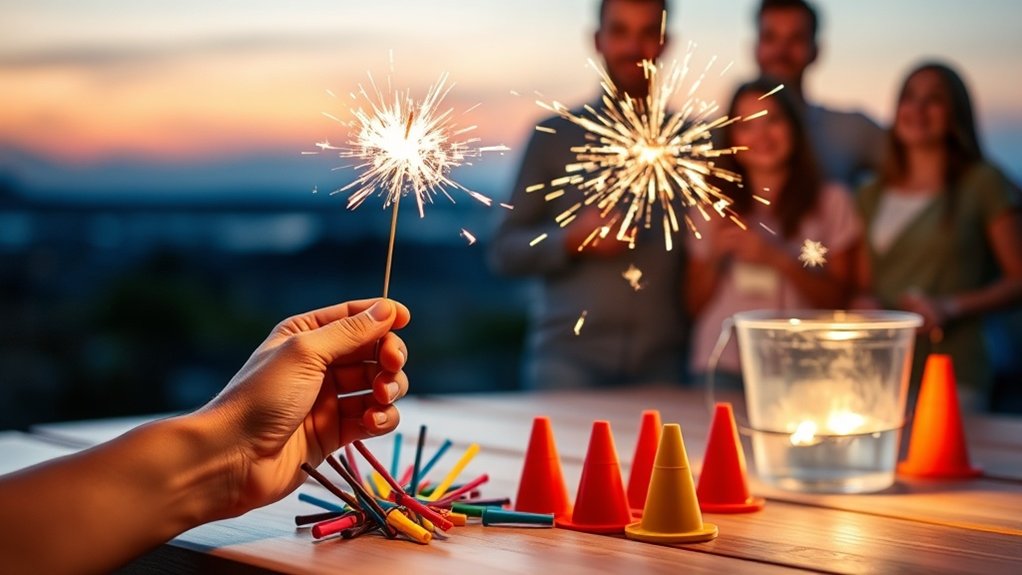
To ensure a safe and enjoyable experience with sparklers, it’s important to follow some straightforward safety guidelines.
Firstly, keep sparklers away from young children; always supervise older children when they’re using them. Only use sparklers outdoors, well away from anything flammable, and make sure you have a clear space around you to prevent accidents. It’s essential to maintain a safe distance from the launch site to protect against injuries.
It’s wise to have a bucket of water or a garden hose handy for emergencies. Additionally, supervision required for all firework activities, including sparklers, to enhance safety.
When using sparklers, wear safety glasses and closed-toe shoes, and hold them at arm’s length. Light just one sparkler at a time and maintain a distance of at least two metres from others.
Lastly, never throw sparklers or try to relight ones that have gone out. By following these guidelines and keeping an eye on the event, you can enjoy sparklers safely.
Proper Handling Techniques for Sparklers
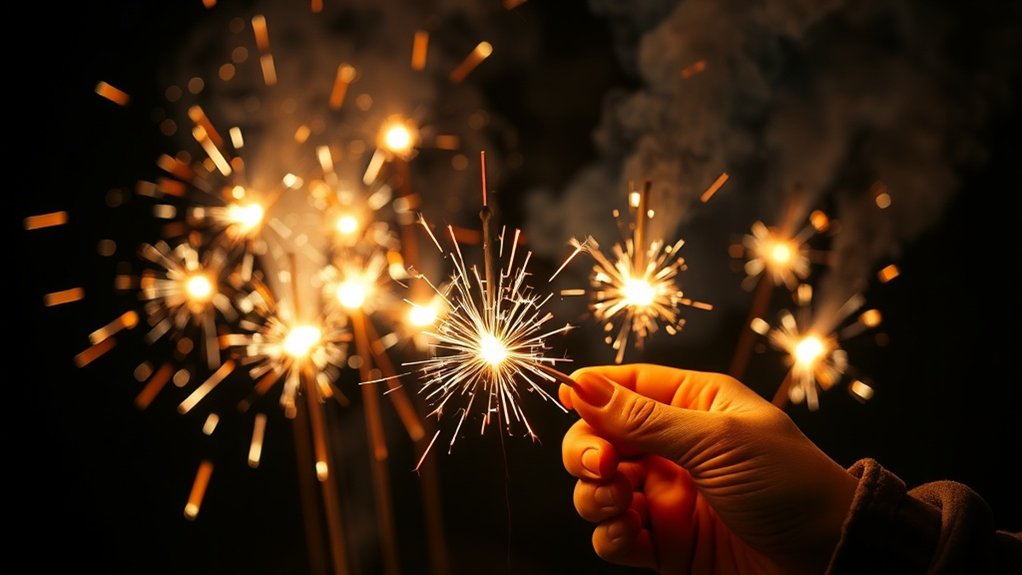
When handling sparklers, it’s crucial to follow safe lighting and holding practices.
Always light sparklers at arm’s length and ensure you’re standing clear to reduce the risk of burns.
Maintain a firm grip and keep the sparkler pointed away from yourself and others to ensure everyone’s safety.
Safe Lighting Practices
Understanding safe lighting practices is vital for enjoying sparklers without accidents.
First, choose a clear, flat outdoor space away from anything flammable. Keep a distance of at least six feet between users to avoid burns from sparks. Light only one sparkler at a time using a long lighter or match; never attempt to relight a sparkler that hasn’t ignited. It’s best to avoid using matches altogether.
Keep onlookers at a safe distance and supervise children closely, as their safety is the top priority. Remember, anyone handling sparklers should avoid alcohol.
Proper Holding Techniques
Properly holding sparklers is crucial for safety. Hold the sparkler at arm’s length, away from your body and face. Only use one sparkler at a time to reduce risks.
Grip the uncoated metal handle and steer clear of the burning end. Maintain a safe distance from others—several feet is best to avoid accidental burns.
Stay still while using a sparkler; don’t run or wave it about. Wear fitted, non-flammable clothing, and avoid holding children while handling sparklers.
Always dispose of used sparklers by soaking them in water to eliminate any lingering heat and prevent injuries.
Disposal Practices for Used Sparklers
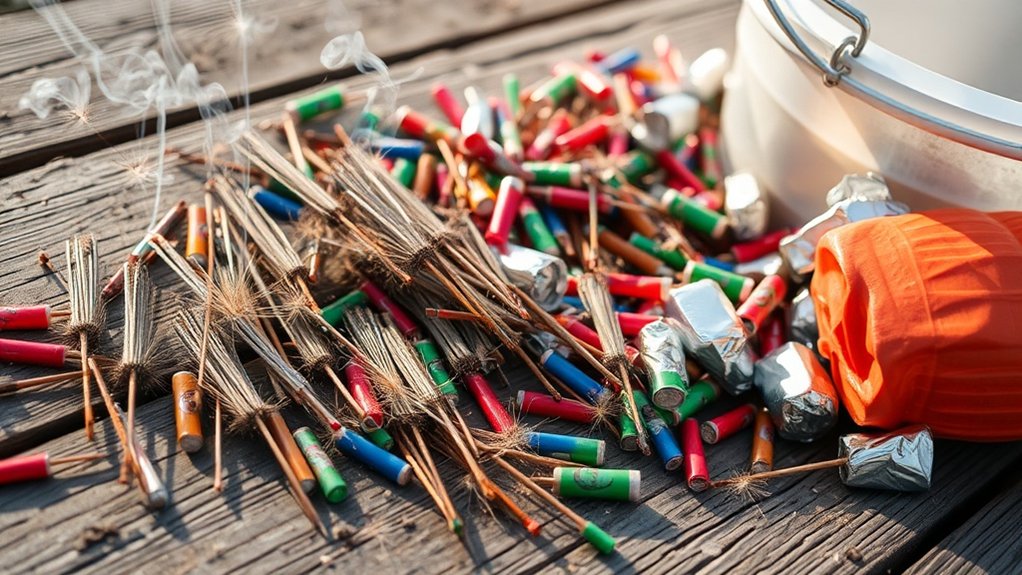
After using sparklers, it’s crucial to cool them down properly to prevent any fire risks.
You can either submerge them in water for at least 30 seconds or bury them in sand to ensure they’re safe to handle.
Once cooled, dispose of them responsibly to avoid harming the environment and to comply with local waste regulations.
Safe Cooling Methods
To safely dispose of used sparklers, it’s crucial to employ effective cooling methods.
Start by soaking the used sparklers in cool water for several minutes to ensure they’re fully extinguished, which helps prevent burns when handling them later.
Avoid direct contact with hot sparklers; use gloves to reduce the risk of burns.
After soaking, verify that the sparklers are cool before disposing of them.
Additionally, keep the area around the used sparklers free from flammable materials to prevent any fire hazards.
Proper Disposal Techniques
When you’ve finished using sparklers, it’s essential to dispose of them safely to avoid fire hazards. Here are some effective disposal techniques to ensure safety and reduce environmental impact:
| Method | Details | Community Resources |
|---|---|---|
| Soaking | Submerge sparklers in water for several hours to cool them down and eliminate heat. | Local fire stations for disposal advice. |
| Using Sand | Bury sparklers in sand to absorb heat and prevent them from reigniting. | Look for sand disposal points at local events. |
| Handling | Use gloves or tongs when placing soaked sparklers into bags. | Contact waste management for disposal guidelines. |
| Marking | Clearly label disposal bags to assist sanitation workers. | Join community hazardous waste collection days. |
| Non-recycling | Dispose of sparklers in regular rubbish only—never in recycling bins. | Check with local waste facilities for safe disposal options. |
Following these steps helps protect your community and the environment.
Legal Considerations for Fireworks Use
Understanding the legal considerations for fireworks use is crucial, as regulations differ widely across the UK.
It’s important to be aware of national laws, which dictate the types of fireworks that can be sold and used. For example, some fireworks are restricted to professional displays only, while others can be purchased for personal use during specific times of the year, such as Bonfire Night or New Year’s Eve.
To avoid legal troubles, ensure you have the required licences if you’re organising a display. Using or selling fireworks without the proper permissions can result in hefty fines or legal action.
Additionally, local councils may impose further restrictions, so always check your local regulations before planning a fireworks event. Staying informed about these laws will help you enjoy a safe and lawful celebration.
Community Safety Guidelines
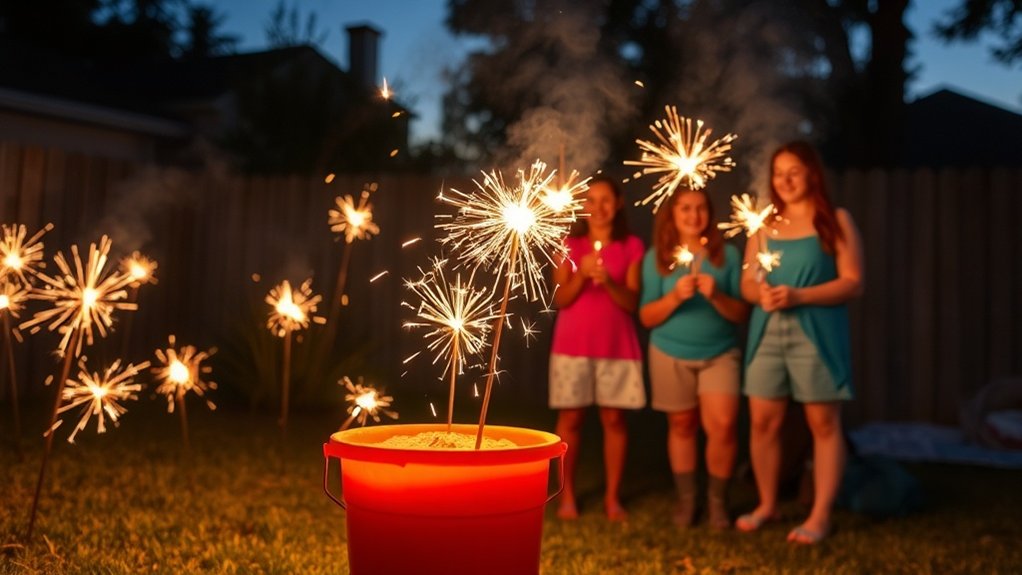
When using sparklers and other fireworks, it’s important to adhere to local regulations to ensure everyone’s safety.
Always keep a safe distance from spectators and make sure pets are kept indoors.
Attending organised fireworks displays can often be a safer option than using personal fireworks.
Legal Fireworks Regulations
Fireworks regulations differ significantly across various communities in the UK, so it’s crucial to familiarise yourself with local laws before using any fireworks. Knowing what’s legal can help you steer clear of fines or legal troubles.
| Firework Type | Legal Status | Notes |
|---|---|---|
| Consumer-grade | Generally Allowed | Check local times for usage |
| Sparklers | Varies by Region | Some areas restrict certain types |
| Projectiles | Typically Prohibited | Includes bangers and rockets |
| Age Requirement | Usually 18+ | Adult supervision may be needed |
Always verify the specific regulations in your area, as some local councils may enforce stricter rules than national laws. And remember, safety is paramount when handling any fireworks!
Safe Event Practices
To ensure a safe and enjoyable fireworks event, it’s crucial to follow community safety guidelines.
Always keep a bucket of water or a garden hose handy for sparkler safety. Make sure older children use sparklers only under close adult supervision to avoid accidents.
Light fireworks one at a time and step back quickly after igniting them to maintain a safe distance. Wearing protective eyewear is essential when handling any fireworks.
Educate everyone on proper disposal—always douse spent fireworks with water before throwing them away.
Avoid alcohol or drugs when using fireworks, as they can increase the risk of accidents.
Lastly, be aware of local laws and regulations to promote community safety during your event.
Alternatives to Sparklers
As communities prioritise safety during celebrations, considering alternatives to sparklers can significantly reduce the risk of injuries.
Here are some safer options to ensure festivities remain enjoyable and secure:
- Glow sticks that provide light without heat or sparks, removing any burn risks.
- Bubble machines for a fun visual effect without the dangers of fire or sharp debris.
- Handheld LED toys that are safe for all ages and promote reusable fun, minimising injury risk.
- Confetti poppers or streamer launchers that create festive effects without flames or sparks.
Safer Alternatives to Sparklers
While sparklers might seem like a fun way to celebrate, there are plenty of safer alternatives that provide excitement without the risk of burns or fire hazards.
Glow sticks are a bright option, offering light and colour without any danger. Confetti cannons can add a festive touch to your events, showering guests with colourful bits without the mess of traditional fireworks.
Bubble machines create a whimsical atmosphere, while LED light shows can dazzle crowds safely. For a memorable exit, consider biodegradable lanterns or confetti poppers, which create beautiful moments without the risks associated with sparklers.
Choosing these alternatives allows you to enjoy your celebrations while keeping everyone safe.
Injury Prevention Strategies
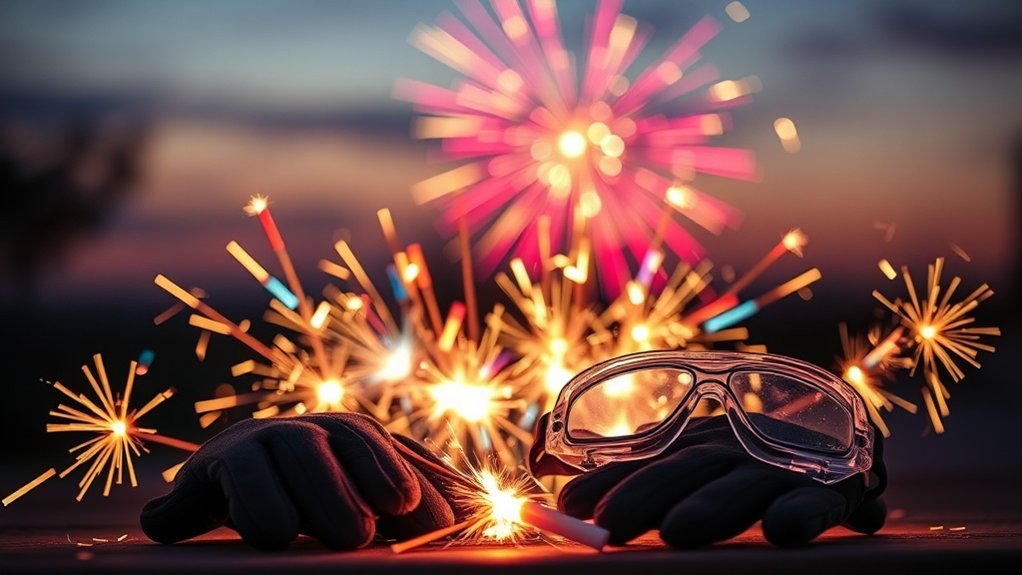
Choosing safer alternatives to sparklers is a smart move, but if you decide to use sparklers alongside other fireworks, it’s crucial to adopt effective injury prevention strategies.
Always supervise fireworks and stay aware of potential risks to safeguard yourself and others.
- Never let young children handle or ignite sparklers or any fireworks.
- Light one firework at a time and maintain a safe distance before lighting the next.
- Don’t attempt to re-light or pick up any fireworks that fail to ignite to avoid accidents.
- Keep a bucket of water or a hose handy to quickly put out any accidental fires.
Emergency Response for Firework-Related Injuries
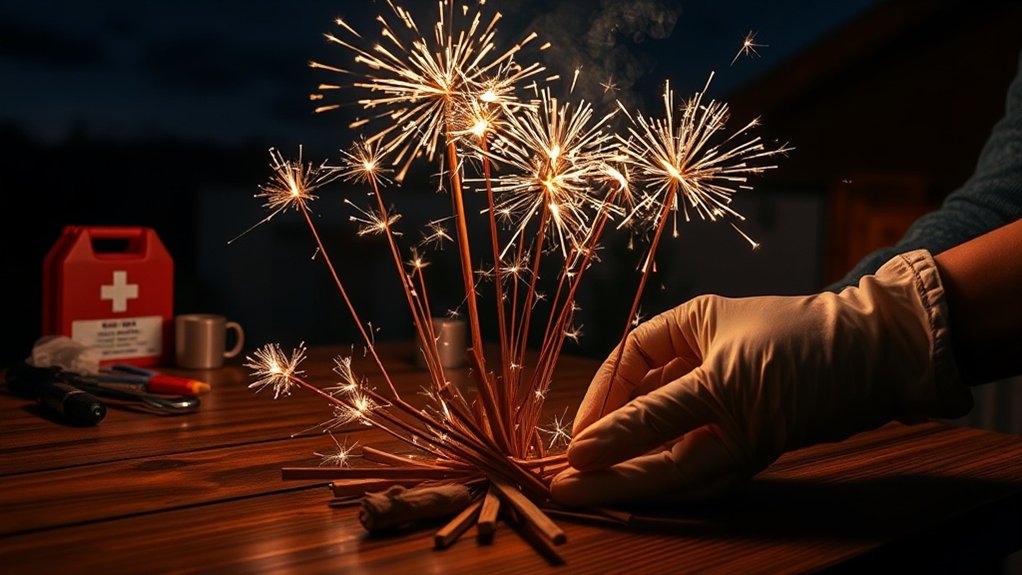
When fireworks accidents happen, a quick and effective response can significantly impact the outcome.
It’s vital to be prepared; understand common injuries such as burns, fractures, and eye trauma. If someone gets a burn, cool the area immediately with running water and seek professional help for serious cases.
For fractures or amputations, assess the injury to prioritise treatment. Rapid transport to a trauma centre is crucial for severe injuries.
Ensure emergency services are ready to handle life-threatening situations, including severe bleeding or airway issues.
Educating Children on Firework Safety
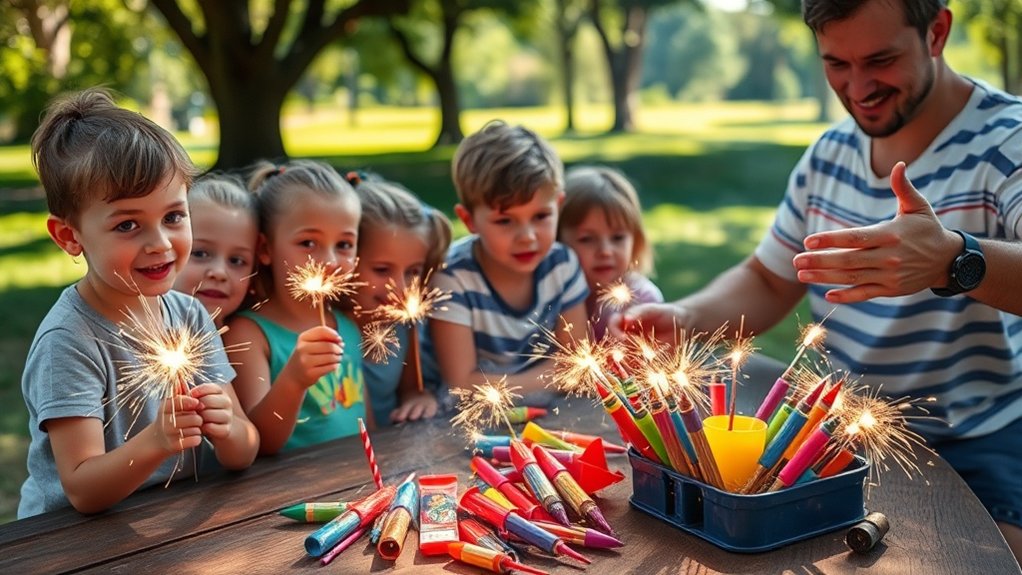
Educating children about firework safety is crucial due to the high risk of injury during celebrations. Many firework myths can create dangerous situations, so raising awareness is vital.
Here are some key points to share with children:
- Sparklers can burn at around 1,100°C, causing severe burns in just seconds.
- Even small fireworks can lead to serious injuries such as eye damage and cuts.
- Always supervise children closely during any firework activities.
- Teach them to watch fireworks from a safe distance and never touch unexploded fireworks.
Frequently Asked Questions
Can Adults Safely Use Sparklers With Other Fireworks?
Sparklers should not be used alongside other fireworks without strict safety measures in place. Combining fireworks heightens risks, so it’s best to light one firework at a time. Always keep a safe distance to avoid accidents and injuries. For example, if you’re using sparklers, wait until they’ve fully extinguished before lighting any other fireworks.
What Should I Do if a Sparkler Malfunctions?
If a sparkler malfunctions, remember: “Better safe than sorry.” Move away quickly, keep a bucket of water nearby, and never touch it with bare hands. Prioritise safety and follow guidelines to prevent injuries. For example, if it doesn’t light, step back and let it cool down before handling it. Always be cautious when using sparklers.
Are There Age Restrictions for Using Sparklers?
Yes, there are age restrictions for using sparklers in the UK. Children aged 12 and over can use them, but adult supervision is essential. Always adhere to safety guidelines and legal regulations to ensure a safe experience. For instance, make sure to keep sparklers away from flammable materials and never give them to younger children.
How Can I Protect My Pets During Fireworks?
To keep your pets safe during fireworks, bring them indoors and create a quiet space for them. Consider using calming products to ease their anxiety. Always supervise them, and if you need to take them outside, make sure they’re on a lead, as loud noises can cause panic.
What Are the Signs of Sparkler-Related Injuries?
Signs of injuries from sparklers include noticeable burns, open wounds, swelling, and pain. To ensure safety and prevent injuries, always supervise children when they are using sparklers and ensure they handle them properly to minimise the risk of serious harm.
Conclusion
In summary, mixing sparklers with other small fireworks can lead to dangerous situations. To ensure a safe celebration, always adhere to safety guidelines and handle sparklers carefully. The joy of a sparkler is best enjoyed on its own. By educating yourself and your friends and family about safe firework practices, you can ensure a bright and enjoyable experience without the risk of injury. Prioritising safety helps create lasting memories without regret.


