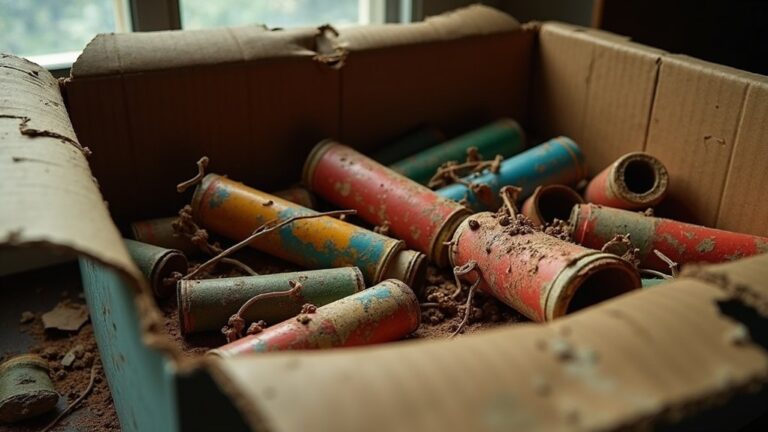
Firework storage regulations for businesses in the UK are stringent. To manage any explosive materials, you must secure a licence from your local council. Regulations differ based on the hazard classification of the fireworks.
Key safety measures include using fire-resistant buildings, ensuring proper ventilation, and securing storage areas to prevent unauthorised access. It’s vital to adhere to waste disposal laws to avoid environmental damage. For instance, leftover fireworks must be disposed of properly to prevent pollution.
For more information on compliance and best practices for safely handling fireworks, consult your local authority or a relevant industry body.
Key Takeaways
- Businesses must secure specific licences for fireworks storage, depending on the quantity and hazard classification, to comply with UK regulations.
- Storage facilities must be designed with safety in mind, featuring fire-resistant structures and secure locking mechanisms to prevent unauthorised access.
- Regular inspections and compliance checks are mandatory for facilities that exceed certain weight limits to ensure safety standards are met.
- Fireworks should be stored in designated magazines that align with their hazard classifications to reduce the risk of explosions.
- Clear signage and restricted access to storage areas are essential to maintain safety and meet regulatory requirements.
Regulatory Framework for Fireworks Storage

The regulations for fireworks storage in the UK are primarily managed by the Health and Safety Executive (HSE) and local authorities. These bodies ensure that licensed manufacturers, distributors, and display companies adhere to safety standards. Local councils play a crucial role by issuing permits for storage locations, working alongside national guidelines to promote community safety. While the UK doesn’t have a direct equivalent to the Bureau of Alcohol, Tobacco, Firearms and Explosives (ATF) in the US, it does have strict regulations regarding the handling of consumer fireworks. The Consumer Rights Act requires that products are safe for use, ensuring that fireworks meet safety standards. When transporting fireworks, it’s essential to maintain safe distances from public areas and potential fire hazards. Following these guidelines helps minimise risks and keeps everyone safe during festivities. Additionally, businesses must consider the need for storage licensing when dealing with explosive materials. Proper firework storage is essential to ensure safety and compliance with local regulations.
Storage Licensing Thresholds and Requirements

When managing fireworks storage, it’s crucial to understand the licensing thresholds based on quantity and hazard type. Your requirements will differ depending on the net explosive content of the fireworks you handle, with stricter regulations for higher hazard classifications. For example, if you’re storing large quantities of high-hazard fireworks, you’ll need a specific licence to comply with UK regulations. Licenses are mandatory for selling fireworks to ensure compliance and avoid potential penalties. Additionally, strict regulations govern the handling, storage, and transportation of display fireworks, making it imperative to adhere to these guidelines. Meeting these thresholds is vital to ensure compliance and avoid potential penalties.
Licensing Thresholds Overview
How do licensing thresholds affect the storage of fireworks? These thresholds set the maximum amount of fireworks you can store before requiring special permits. The quantities that trigger licensing can differ by location but generally align with national regulations.
For instance, if your storage exceeds certain weight limits, such as 50 or 500 kilograms of display fireworks, you’ll need a specific licence and must undergo compliance inspections. This regulatory framework is crucial for ensuring safety and legal compliance in storage practices.
Retail and wholesale licences have different criteria, and there are also temporary storage permits for short-term events. Staying updated on local regulations and maintaining compliance is vital for effective firework storage.
Hazard Type Classifications
Understanding hazard type classifications is crucial for meeting storage licensing requirements for fireworks in the UK. Accurately identifying hazards allows you to classify firework types and establish the necessary storage protocols.
| Hazard Division | UN Number | Description |
|---|---|---|
| 1.1 | UN 0331 | Mass explosion hazard |
| 1.2 | UN 0332 | Fragment projection hazard |
| 1.3 | UN 0335 | Fire hazard, minor blast risk |
| 1.4 | UN 0336 | Minor explosion hazard |
| 1.4G | – | Consumer fireworks, low risk |
For Division 1.3G fireworks, strict regulations are in place, requiring storage in magazines and appropriate permits. Division 1.4G fireworks face fewer restrictions and are often exempt from federal licensing, as they are classified as consumer fireworks.
Types of Storage Facilities for Fireworks

When storing fireworks, it’s important to know the specific requirements for storage facilities based on their hazard classification.
Low explosives, such as display fireworks, should be kept in Type 4 magazines.
In contrast, bulk salutes, which are classified as high explosives, must be stored in Type 1 or Type 2 magazines.
Your choice of storage facility is crucial for complying with safety regulations and ensuring overall safety.
Storage Magazine Requirements
To ensure the safe storage of fireworks, specialised magazines must comply with strict UK regulations. These magazines are designed to prevent unauthorised access and reduce the risk of explosions. Key features include strong locking systems, fire-resistant materials, and proper ventilation.
| Requirement | Description |
|---|---|
| Construction Materials | Secure, fire-resistant, and weatherproof |
| Locking Mechanisms | Sturdy systems to prevent unauthorised entry |
| Ventilation | Sufficient to avoid harmful vapour build-up |
| Hazard Warnings | Clear signage indicating explosive contents |
| Separation Distances | Required distances from public areas and buildings |
Adhering to these standards protects both workers and the public, ensuring fireworks are stored safely and securely.
Hazard Classification Impact
Due to the hazardous nature of fireworks, their classification significantly influences the type of storage facilities needed to ensure safety and adhere to regulations.
Proper hazard assessment and storage optimisation are crucial in identifying your options, which may include:
- Magazines: Secure containers for high-hazard fireworks, preventing unauthorised access.
- Warehouses with Sprinkler Systems: Necessary for retail and wholesale storage, in line with local fire regulations.
- Waste Fireworks Storage Units: Isolated facilities to meet Environment Agency requirements, reducing reactivity risks.
- Outdoor Storage Areas: Utilised when indoor storage limits are exceeded, necessitating appropriate separation distances.
Understanding these classifications helps to maintain safety and compliance in fireworks storage.
Hazard Classification and Its Impact on Storage
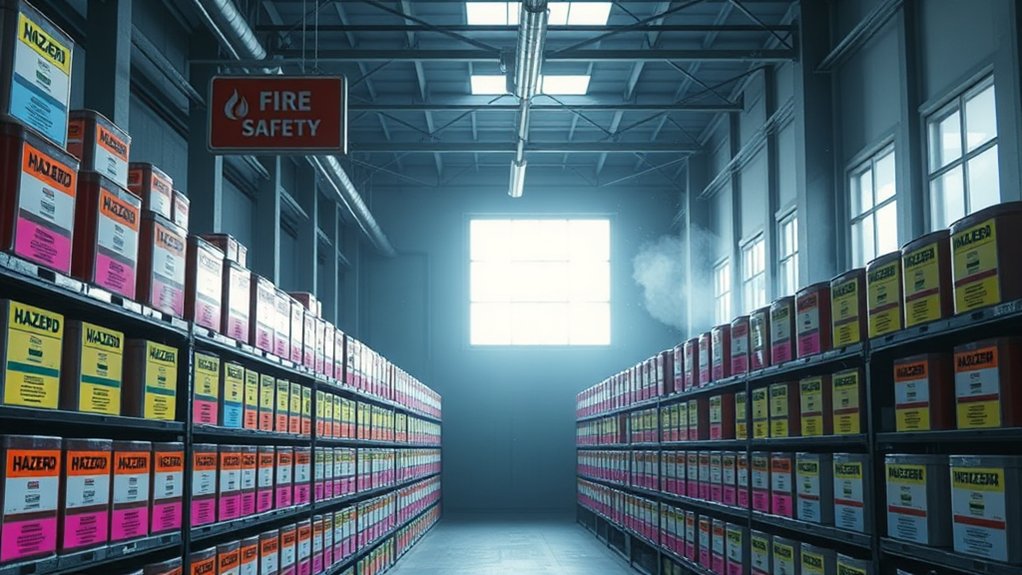
Understanding hazard classification is crucial for safe fireworks storage, as it directly impacts safety protocols and regulatory compliance.
It’s important to carry out thorough risk assessments to identify the correct hazard division, such as 1.3G, which dictates how you should store pyrotechnics. Compliance strategies must adhere to UK regulations, including limits on maximum quantities stored, which differ based on classification. For example, higher hazard classes impose stricter limits on quantities to reduce explosion risks.
Your storage facilities need to meet specific design standards, such as using locked non-ferrous containers and maintaining safe distances from incompatible materials.
Regular inspections and tailored security measures based on hazard classification are essential to ensure ongoing compliance and safety. Understanding these classifications is vital for effective fireworks management.
Safety Measures for Fireworks Handling and Storage

When handling and storing fireworks, it’s crucial to follow strict safety measures to reduce the risks linked to explosive materials.
Here are the key points to keep in mind:
- Store fireworks in fire-resistant buildings, ensuring they’re separated by type to avoid any potential chain reactions.
- No smoking, open flames, or sparking devices should be allowed within a 50-foot radius of storage areas.
- Keep storage units locked and carry out weekly inspections to prevent unauthorized access.
- Use non-ferrous, covered containers to keep fireworks dry and shielded from environmental elements.
- Ensure compliance with safety regulations to maintain legal standards and minimize hazards associated with fireworks storage.
Public Access Restrictions and Display Regulations

When handling fireworks, safety measures are crucial, but adhering to public access restrictions and display regulations is equally important for community safety. To comply, ensure storage areas are secure to prevent unauthorised access, and avoid using awnings or tents for storage. Use clear signage and barriers to mark restricted zones, and maintain a safe distance from public roads to minimise risk.
| Aspect | Requirement | Purpose |
|---|---|---|
| Storage Security | Locked facilities | Prevent unauthorised entry |
| Display Permits | Supervised public display permits | Ensure regulatory compliance |
| Proximity Regulations | Clearance from pedestrian pathways | Protect public safety |
| Transport Access Control | Qualified personnel only | Ensure safe handling |
Following these guidelines is essential for keeping your community safe.
Environmental Considerations for Waste Fireworks

Fireworks present notable environmental issues, particularly regarding their waste. Effective waste management is crucial to lessen their impact. Here are four important considerations:
- Chemical Contamination: Fireworks often contain heavy metals and toxic substances that can seep into soil and water, endangering local ecosystems.
- Air Pollution: The remnants of fireworks can lead to increased levels of carbon monoxide and particulate matter, contributing to local air quality issues.
- Aquatic Ecosystems: Debris from fireworks can pollute water bodies, introducing harmful chemicals that disrupt aquatic food chains.
- Wildlife Disturbance: The noise and bright lights of fireworks can stress local wildlife, causing them to abandon their habitats and increasing their mortality rates.
Following regulations for disposing of fireworks waste is essential to minimise these environmental threats and safeguard our surroundings.
Best Practices for Compliance and Safety Management

To ensure safety and compliance in fireworks storage and handling, facilities must strictly follow established regulations and best practices.
Conduct regular safety audits to spot potential hazards and ensure compliance with fire safety regulations. Provide comprehensive training for all staff, highlighting proper storage methods—like keeping fireworks in their original packaging and out of direct sunlight.
Clearly label storage areas with “FIREWORKS—NO SMOKING” signs and enforce a strict no-discharge rule within 300 feet. Fireworks should only be accessible under constant supervision and secured when not in use.
Keep thorough documentation of inspections and compliance records to meet UK regulations. Work closely with local fire services to improve safety measures and preparedness for emergencies.
Frequently Asked Questions
What Are the Penalties for Non-Compliance With Fireworks Storage Regulations?
Failing to comply with fireworks storage regulations can result in serious penalties. You may incur hefty fines, face potential criminal charges, and risk losing your licence. For example, if you store fireworks in an unsuitable location, you could be fined up to £5,000. Understanding these consequences is crucial to avoid significant enforcement actions and financial repercussions.
Can I Store Fireworks at Home for Personal Use?
You can store fireworks at home for personal use, but it’s essential to follow local regulations regarding firework safety. Check the storage limits and conditions to steer clear of any legal issues. For instance, keep fireworks in a cool, dry place away from flammable materials. Practising safe storage is key to enjoying your fireworks responsibly.
Are There Age Restrictions for Handling Fireworks in a Business?
When handling fireworks, it’s important to be aware of age restrictions. Generally, individuals under 18 are prohibited from handling or selling fireworks, which helps ensure safety and compliance with regulations. For example, if you work in a shop that sells fireworks, you must be at least 18. Proper training for employees is also crucial to maintain safe practices.
How Often Should Storage Facilities Be Inspected for Safety Compliance?
Safety audits should be carried out at least once a week, adjusting the frequency based on specific risk factors. For instance, if the facility is particularly busy or has hazardous materials, more frequent checks may be necessary to ensure compliance and prevent accidents effectively.
What Insurance Is Needed for Businesses Dealing With Fireworks?
You’ll need fireworks insurance that includes liability coverage to safeguard against injuries and damages. Ensure your policy covers product, premises, and general liability, and tailor it to fit your specific business activities and risks. For instance, if you’re hosting firework displays, consider additional coverage for public events.
Conclusion
In summary, following fireworks storage regulations is crucial for safety and compliance. Improper storage can result in serious injuries each year. By understanding licensing requirements, hazard classifications, and implementing best practices, you can significantly reduce risks. Strict safety measures not only protect your business and staff but also ensure the safety of the community. Stay informed and prioritise responsible fireworks storage to prevent accidents and legal issues.