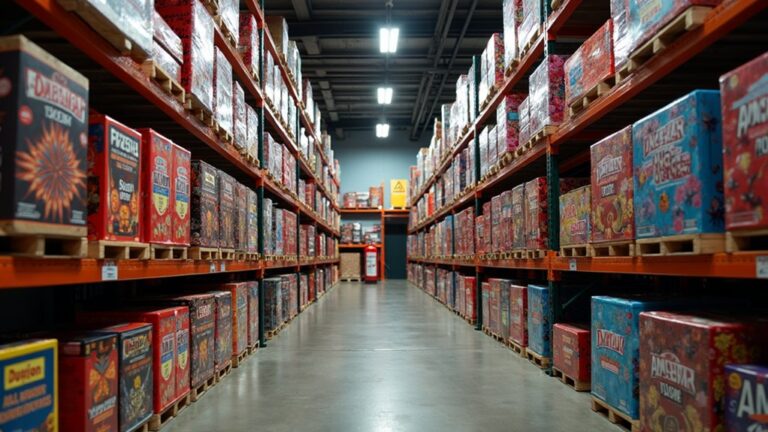
Stored fireworks can exhibit signs of degradation that pose serious safety risks. Check for cracks in the tubes, strange smells, or frayed fuses. Chemical breakdown can lead to instability, causing misfires or uneven burning. Poor storage conditions, such as high humidity, can speed up this process. Always handle suspicious fireworks carefully and ensure they are disposed of properly to prevent accidents. If you’re interested in learning how to identify unsafe fireworks and dispose of them correctly, there’s more information available.
Key Takeaways
- Check for visible signs such as cracks, swelling, or peeling casings, which indicate that the fireworks may be structurally compromised.
- Strong or unusual smells can suggest chemical breakdown and instability in the fireworks.
- Inspect fuses for any tears, fraying, or dampness, as these issues can lead to misfires or failure to ignite.
- Chemical decomposition may result in inconsistent ignition, affecting visual effects and increasing safety risks.
- Storing fireworks in cool, low-humidity, and airtight conditions is crucial to minimise degradation and ensure safety.
Physical Signs of Structural Weakening
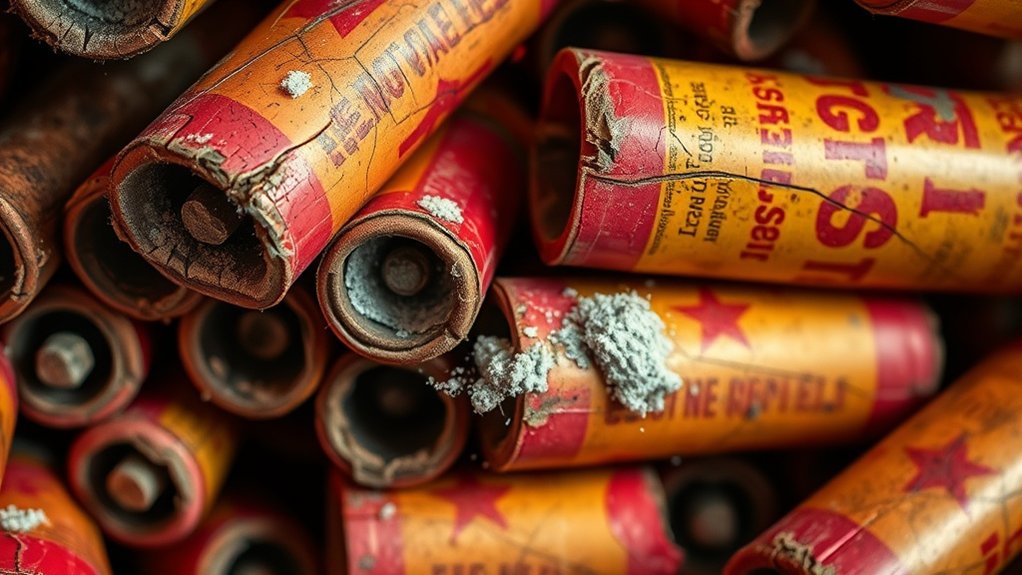
When inspecting stored fireworks, it’s crucial to look for signs of structural weakening that can affect safety and performance.
Check for cracks or splits in the paper tubes, as these indicate weakened integrity. Peeling or flaking casings may suggest moisture damage, while any caking or residue could signal chemical breakdown. Additionally, fireworks that are up to ten years old often remain functional and safe, but it’s essential to ensure they show no signs of degradation.
Swelling or bulging tubes often result from internal reactions. Discolouration, like yellowing or browning, can indicate oxidation.
Additionally, brittle tube walls and splintering wooden supports can create instability during ignition.
Always prioritise safety by discarding any fireworks that show these signs to reduce risks associated with handling damaged products.
Odor and Sensory Indicators of Degradation

When assessing stored fireworks, take note of any unusual odours, as these can indicate chemical degradation. Detecting strong or acrid smells may suggest the breakdown of perchlorate or nitrate oxidisers, which could pose toxicity risks. A sulphurous “rotten egg” scent points to the degradation of sulphur compounds, while musty odours indicate moisture absorption that can compromise chemical stability. You might also notice faint metallic smells from degrading metals like lead or zinc. If the chemical smells seem unusual or less potent than fresh stock, it could hint at oxidation or hydrolysis. Be alert for persistent odours, as they often signify increasing instability in stored materials, which could lead to hazards before any visible signs appear. Regularly checking these sensory cues is essential for safety. Additionally, improper storage of fireworks can lead to long-lasting chemical effects that may harm surrounding ecosystems over time.
Fuse and Ignition Issues
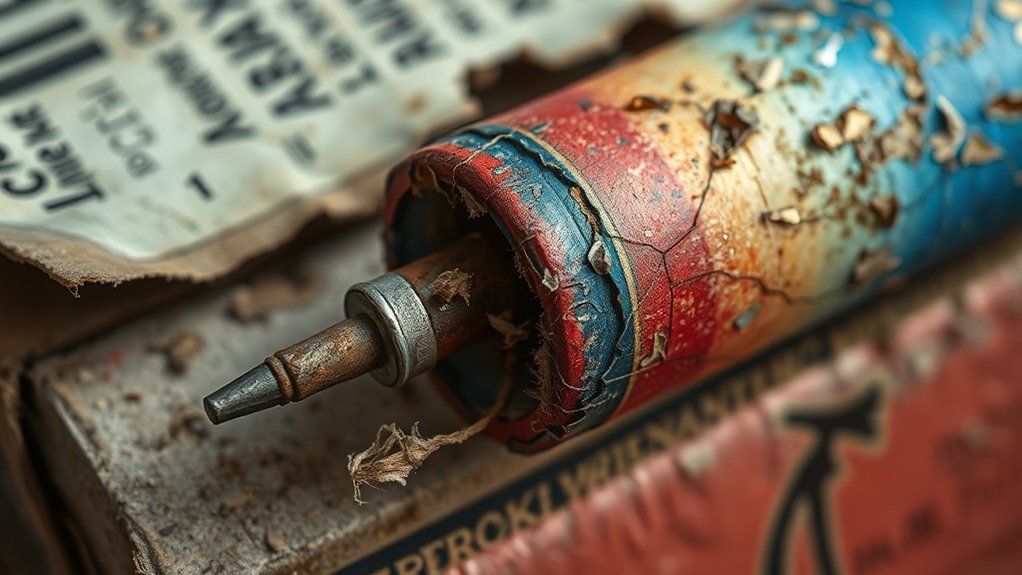
Unusual smells from stored fireworks can indicate they’re deteriorating, but it’s also essential to check for fuse and ignition problems. Here are key points to consider:
- Fuse Condition: Look for torn or frayed coverings, as these can cause misfires.
- Moisture Impact: Wet fuses might burn slowly or not ignite at all, which can compromise their reliability.
- Burn Quality: If the flames during test ignitions are irregular, this suggests the fuse may be degrading.
- Chemical Stability: Fuses that have aged can fail to ignite due to chemical breakdown. Additionally, damaged fireworks often exhibit compromised fuse functionality, increasing the risk of misfires.
Always inspect fuses for visible damage or changes, as these can significantly affect performance.
Using degraded fuses raises the risk of misfires and serious safety issues, so avoid lighting any that show signs of wear or moisture.
Chemical and Performance Effects
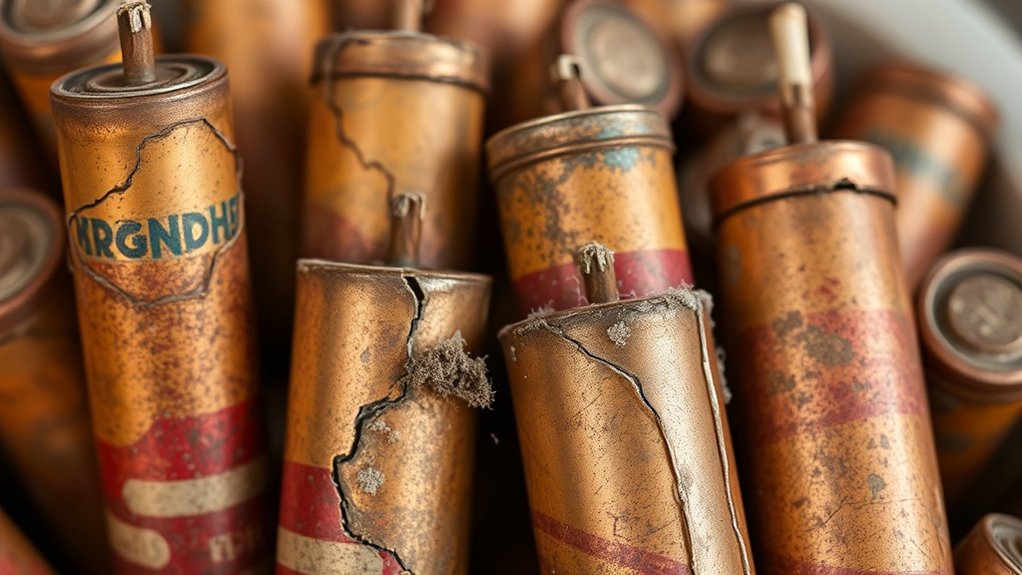
Chemical degradation in stored fireworks can significantly affect their performance and safety, making regular monitoring essential. When metal particles and oxidisers react with oxygen, their chemical stability decreases, leading to unreliable performance.
For instance, components such as ammonium perchlorate and triaminoguanidine nitrate can break down when exposed to heat, resulting in less reactive by-products that hinder ignition. This degradation disrupts the necessary balance of oxygen, causing inconsistent ignition and diminished visual effects.
Moreover, chemical instability can lead to risks like premature ignition or uneven burning, which can be dangerous during handling. To ensure safety, it’s crucial to store fireworks in controlled conditions and properly dispose of any that have aged, as degradation can make them hazardous and ineffective.
Environmental and Storage Condition Impacts
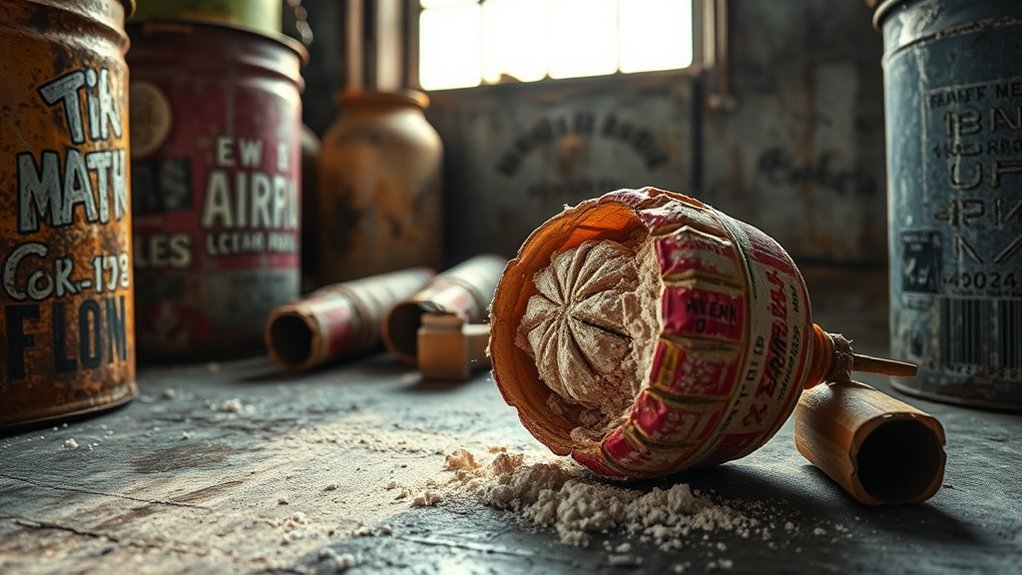
When storing fireworks, it’s crucial to maintain the right conditions to ensure their safety and effectiveness. Poor storage can lead to serious risks, such as chemical breakdown and a greater chance of misfires or explosions. For instance, keeping fireworks in a damp garage can cause them to deteriorate. Regular training for staff on safety protocols is essential to mitigate these risks.
Ideal Storage Conditions
To ensure the safety and performance of stored fireworks, it’s vital to maintain ideal storage conditions. Here are some key points to consider:
- Optimal Temperature: Store fireworks in cool places, away from direct sunlight or heat sources to avoid degradation and fire hazards.
- Low Humidity: Keep them in low-humidity areas, preferably in airtight containers, to prevent moisture absorption that can affect performance.
- Ventilation: Ensure proper airflow to reduce fume accumulation and moisture buildup, which can compromise the stability of the chemicals.
- Secure Containers: Use non-combustible, non-metal containers that can be covered and locked to restrict access and minimise ignition risks.
Risks of Poor Storage
Maintaining proper storage conditions for fireworks is crucial for safety and environmental health. Poor storage can lead to fireworks degrading, which may release harmful chemicals like perchlorate, contaminating soil and water. This can have dire consequences for ecosystems and pose serious health risks to humans through bioaccumulation.
Furthermore, inadequate storage can breach firework safety regulations, heightening the risk of ignition or explosion. The air pollution caused by fireworks can worsen respiratory issues, especially for those with asthma. Regular inspections for damage or moisture are essential to ensure fireworks remain safe to use and do not pose a risk to the environment or public health.
Adhering to storage guidelines is essential to minimise these risks. Neglecting them not only compromises safety but also threatens wildlife and local communities, highlighting the importance of responsible storage practices.
Safety Risks Associated With Degraded Fireworks

Degraded fireworks pose significant safety risks that can result in serious injuries and property damage.
To ensure safety and prevent accidents, be aware of the following hazards:
- Increased Misfires: Damaged fuses and unstable materials raise the likelihood of misfires.
- Unpredictable Ignition: Exposure to moisture may cause fireworks to ignite too early or too late, endangering users and bystanders alike.
- Severe Injuries: Using degraded fireworks is associated with a higher risk of burns, amputations, and fractures.
- Erratic Flight Paths: Poor aerodynamic stability can lead to fireworks exploding off-target, increasing the chance of injury and damage.
Always prioritise safety by steering clear of degraded fireworks, as their unreliable nature significantly heightens the risk of accidents. Additionally, improper storage practices can exacerbate the degradation of fireworks, further increasing safety hazards.
Proper Disposal Methods for Unsafe Fireworks
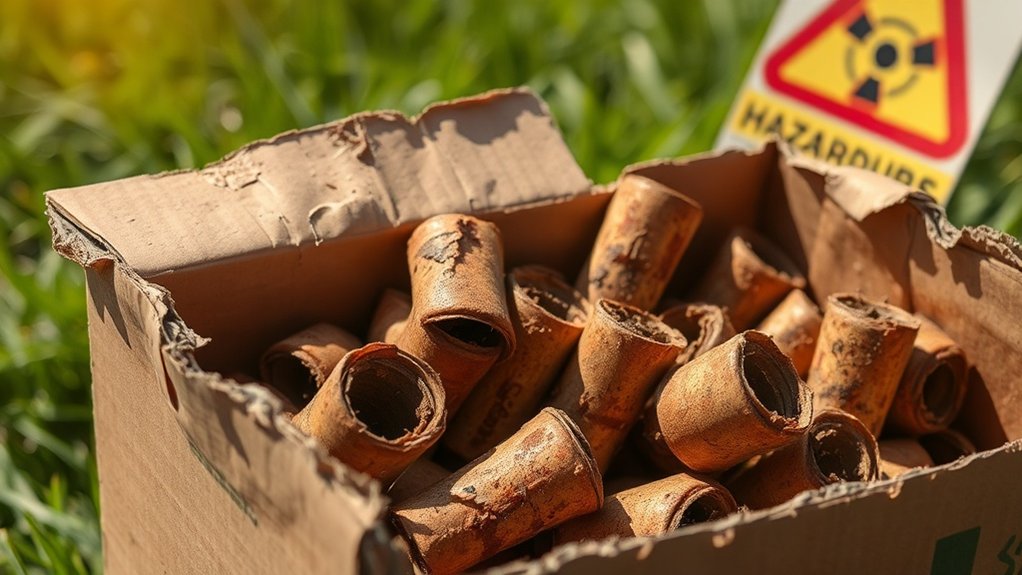
When disposing of unsafe fireworks, first soak them thoroughly in water for at least 15 minutes to neutralise any explosive substances.
Once soaked, place them in two secure bags to eliminate any risk of ignition during disposal.
Always adhere to local hazardous waste regulations to ensure safe and compliant disposal, protecting both yourself and the environment.
Water Soaking Technique
Proper disposal of unsafe fireworks is vital for safety, and the water soaking technique significantly reduces fire hazards. Here’s how to do it safely:
- Soaking Time: Small fireworks require at least 15 minutes of soaking, while larger ones should be left overnight.
- Remove the Fuse: Always cut or take out the fuse before soaking to lower the risk of accidental ignition.
- Double Wrap: Once soaked, wrap the fireworks securely in two plastic bags to prevent them from drying out or leaking.
- Disposal Method: Dispose of the soaked, bagged fireworks in your regular rubbish bin, not in recycling bins.
Secure Waste Disposal
Ensuring the safe disposal of used fireworks is crucial to avoid accidents and protect the environment.
First, allow the fireworks to cool completely, then soak them in water for at least 15 minutes to ensure any hot embers are extinguished.
Once soaked, wrap the fireworks tightly in plastic to keep them moist, using robust bags to limit oxygen exposure.
Place the double-bagged, soaked fireworks in your household waste for collection, and don’t mix them with recyclables.
Check with your local waste management services for specific disposal guidelines, including any community collection events.
Hazardous Waste Regulations
Safe disposal of used fireworks is crucial for adhering to hazardous waste regulations. Follow these straightforward steps for compliance:
- Soak unused fireworks in water for at least 15 minutes, or overnight if possible.
- Wrap the soaked fireworks securely in plastic to stop them drying out and reigniting.
- Dispose of them in your general household waste, not in recycling bins or other rubbish.
- Check with your local waste authority to ensure your disposal method aligns with community regulations.
Improper disposal can lead to serious risks, such as fires, toxic fumes, and environmental damage.
Frequently Asked Questions
How Can I Prevent Fireworks From Degrading During Storage?
To prevent fireworks from degrading during storage, ensure the original packaging is intact, control humidity levels, and store them in a cool, dry, well-ventilated area, away from heat sources and flammable materials. For example, a garage or shed may be suitable, but avoid areas like attics or near radiators.
What Types of Fireworks Are Most Prone to Degradation?
Think sparklers and aerial shells are foolproof? Think again! These fireworks are particularly susceptible to moisture, which can ruin your display. Storing them properly is crucial; otherwise, you risk a disappointing show.
Are There Specific Temperatures for Optimal Fireworks Storage?
For optimal fireworks storage, keep them in a cool, dry place, ideally below 43°C (110°F). Good storage conditions improve safety, prevent deterioration, and minimise the risk of accidental ignition from temperature changes.
Can I Use Degraded Fireworks if They Appear Safe?
Using degraded fireworks, even if they look fine, is risky. Safety risks are significant; proper disposal is crucial to avoid accidents. Remember, it’s not worth the thrill of fireworks if safety is compromised. Always choose safety first.
What Should I Do if I Find Mold on Fireworks?
If you discover mould on fireworks, do not attempt to remove it. Instead, prioritise safety by disposing of them in accordance with local hazardous waste guidelines. Ensure any remaining fireworks are stored in dry, well-ventilated areas to avoid future mould growth.
Conclusion
In the grand finale of your fireworks stash, any signs of degradation can spell trouble. If you spot any deterioration, it’s not just a harmless issue; it could lead to a dangerous situation. Don’t let your fireworks end with a bang that turns into a disaster—properly dispose of any unsafe items. Always prioritise safety over nostalgia in your celebrations.