

Fireworks can lead to serious injuries, such as burns, cuts, and eye damage. To minimise these risks, always supervise children closely and inspect fireworks before use. Wear protective gear like goggles and keep a safe distance when lighting them. Never attempt to relight faulty fireworks and steer clear of illegal ones. It’s crucial to understand the different types of fireworks and their risks. Familiarising yourself with safe practices and regulations can make all the difference.
Key Takeaways
- Burns are the most common firework injuries; always keep a safe distance and wear protective gear like goggles and gloves.
- Eye injuries frequently occur; use protective eyewear and don’t look directly at ignited fireworks.
- Children under 15 are especially vulnerable; ensure they are supervised by an adult and educate them about firework safety.
- Handle fireworks properly; never attempt to relight faulty ones and always follow the manufacturer’s instructions.
- Join local safety workshops to learn about safe practices and regulations regarding firework use.
Overview of Fireworks-Related Injuries

Fireworks can create a celebratory atmosphere, but they also carry significant risks, resulting in thousands of injuries each year. In 2023, there were approximately 9,700 firework-related injuries in the UK, with nearly 30% involving children under 15. Emergency department visits tend to increase around major holidays, such as Bonfire Night, with an average of 10,000 incidents annually. Males, particularly teenagers aged 15-19, are more frequently affected. Recent data from Hawaiʻi indicates a 14-year high in injuries and fatalities during New Year’s celebrations. To prevent injuries, it’s crucial to supervise young users and avoid illegal or unsafe fireworks, which lead to more accidents. Most injuries happen during peak times, often late at night. Adult supervision is essential to minimize risks and ensure safe handling of fireworks. Staying informed and prioritising safety can help you and your loved ones enjoy fireworks responsibly, without unnecessary risks.
Common Types of Injuries From Fireworks

Common injuries from fireworks can quickly turn hazardous if safety measures are overlooked. Common injuries include burns, which make up 42% to 58% of emergency visits, often affecting the hands and arms. Fireworks injuries increased by 25% over the past 15 years, emphasizing the need for caution during celebrations. To prevent these injuries, it’s essential to establish a safety zone that restricts unauthorized access to the launch area. Cuts and lacerations from sharp debris can cause heavy bleeding and potential infections. Eye injuries, from corneal abrasions to severe burns, pose a significant risk of vision loss, highlighting the importance of wearing protective eyewear. Hand and finger injuries, such as fractures and amputations, often occur from improper handling. Furthermore, injuries to the head, face, and ears can lead to permanent disfigurement. It’s crucial to prioritize firework safety to enjoy the display without the threat of serious injury.
Demographics Most Affected by Fireworks Injuries

When it comes to fireworks injuries, certain groups are more at risk. Children under 15 and adults aged 25 to 44 make up a large portion of these incidents, with males being disproportionately affected across all ages. Notably, injury rates decreased in 2022 for most demographics, except for ages 5-9 and 20-24, which increased. Knowing these trends can help you take precautions and keep yourself and your loved ones safe during celebrations.
Age Group Vulnerability
When enjoying firework displays, it’s important to be aware that certain age groups are at a higher risk of injury.
Teenagers aged 15-19 have the highest rates of visits to A&E for firework injuries, closely followed by children aged 5-9.
The types of injuries vary: younger children often suffer burns and facial injuries from sparklers and firecrackers, while teens may face more severe injuries, particularly from homemade fireworks.
Young adults aged 20-24 also show a significant injury rate.
Recognising these vulnerabilities can help you take precautions to ensure safer celebrations for everyone, especially those most at risk.
Always supervise young children around fireworks to reduce the chance of serious injuries, as young children account for 40% of sparkler injuries.
Gender Disparities
While fireworks can be enjoyable for celebrations, it’s important to acknowledge the gender disparities in injury rates. Males account for approximately 65-67% of fireworks-related injuries, primarily due to risk-taking behaviours and direct handling of fireworks.
Conversely, females tend to suffer fewer injuries, often as bystanders.
- Males aged 25-44 are a significant demographic for injuries.
- Children under 15, particularly boys, contribute notably to these statistics.
- Men are more likely to sustain injuries to their hands, faces, and upper extremities.
- Women generally incur injuries from less dangerous devices.
Understanding these disparities is crucial for developing effective safety measures and encouraging safer fireworks practices for everyone.
Seasonal Injury Trends
Firework injuries tend to spike during certain seasons, particularly around major events like Bonfire Night and New Year’s Eve.
It’s important to identify which groups are most affected. Teenagers aged 15 to 19 have the highest rate of injuries requiring treatment, followed closely by children aged 5 to 14, who represent nearly 30% to 36% of cases.
Young adults aged 20 to 24 are also at risk, with around 5.1 injuries per 100,000 people in this age group.
Given the varying laws regarding fireworks, it’s crucial to examine injury statistics, which indicate that most incidents occur during evening displays.
The misuse and amateur handling of fireworks during celebrations contribute to these trends, highlighting the need for increased awareness and education to prevent injuries, particularly among these high-risk groups.
Fireworks Types Associated With Injuries

When celebrating with fireworks, it’s crucial to know which types are linked to injuries. Being informed can help enhance safety and prevent accidents.
Here are some fireworks to approach with caution:
- Firecrackers: Responsible for around 18% of injuries, mainly causing burns and cuts.
- Sparklers: Associated with roughly 700 injuries, especially affecting children under 10.
- Rockets and Bottle Rockets: Account for 6% of injuries, posing risks of burns and facial injuries due to unpredictable flight paths.
- Roman Candles: Also contribute to 6% of injuries, with hazards including burns and eye injuries from flying debris.
Being aware of these dangers can help you celebrate safely this festive season.
Mechanisms of Injury and Contributing Risk Factors

When using fireworks, improper techniques can lead to serious injuries, particularly if safety guidelines aren’t followed.
Device malfunctions can also present unexpected hazards, so it’s crucial to check all fireworks before use.
Moreover, not wearing protective gear, such as goggles or gloves, increases the risk of injury during celebrations.
Always prioritise safety to enjoy the festivities without incident.
Improper Handling Techniques
While many people enjoy celebrating with fireworks, improper handling can lead to serious injuries. A lack of knowledge and training often results in misuse, particularly among teenagers.
Here are some key risks to avoid:
- Light fireworks at a safe distance to prevent burns and injuries.
- Use the right ignition sources and never try to light multiple devices at once.
- Ensure the area is clear and stable for ignition—steer clear of clutter.
- Always supervise children and avoid distractions when handling fireworks.
Attending safety workshops can significantly enhance your handling skills, reducing the risk of accidents.
Device Malfunction Risks
Improper handling can lead to serious injuries from fireworks, but device malfunctions present a different yet significant risk. In 2023, malfunctions were linked to two out of eight fireworks-related fatalities. Common problems include ignition failures and unexpected explosions, often due to faulty components.
Alarmingly, 18% of tested fireworks were found to have noncompliant parts, raising the likelihood of injuries. Most injuries impact the hands, fingers, and faces, with burns making up 42% of cases.
To reduce these risks, always inspect fireworks thoroughly before use and steer clear of products with vague instructions. Store them correctly and be mindful of environmental conditions that could affect stability.
Following these precautions can help ensure a safer celebration while enjoying fireworks.
Lack of Protective Equipment
Many fireworks users fail to wear protective equipment, significantly increasing their risk of injury. Not using essential gear can lead to serious harm, such as burns and eye injuries.
To help prevent accidents, follow these tips:
- Always wear gloves to protect your hands from burns.
- Use safety goggles to shield your eyes from sparks and debris.
- Opt for long sleeves and face shields to safeguard your face and head.
- Ensure that children and teenagers are wearing proper safety gear and are supervised.
Stay safe and enjoy the festivities responsibly.
Seasonal Trends in Fireworks Injuries

As the 4th of July approaches, it’s important to be aware of the seasonal trends in fireworks injuries that peak during this time.
In the summer months, particularly around Independence Day, the number of fireworks-related injuries significantly increases. In 2023, around 9,700 injuries were treated in emergency departments, with teenagers aged 15 to 19 being the most affected group.
Burns make up 42% of these injuries, often occurring on hands and fingers.
To ensure safety and prevent injuries, it’s crucial to understand the risks associated with various types of fireworks, such as firecrackers and sparklers.
Being informed about these trends can help you take proactive steps for a safer celebration this holiday season.
Preventive Measures for Fireworks Safety
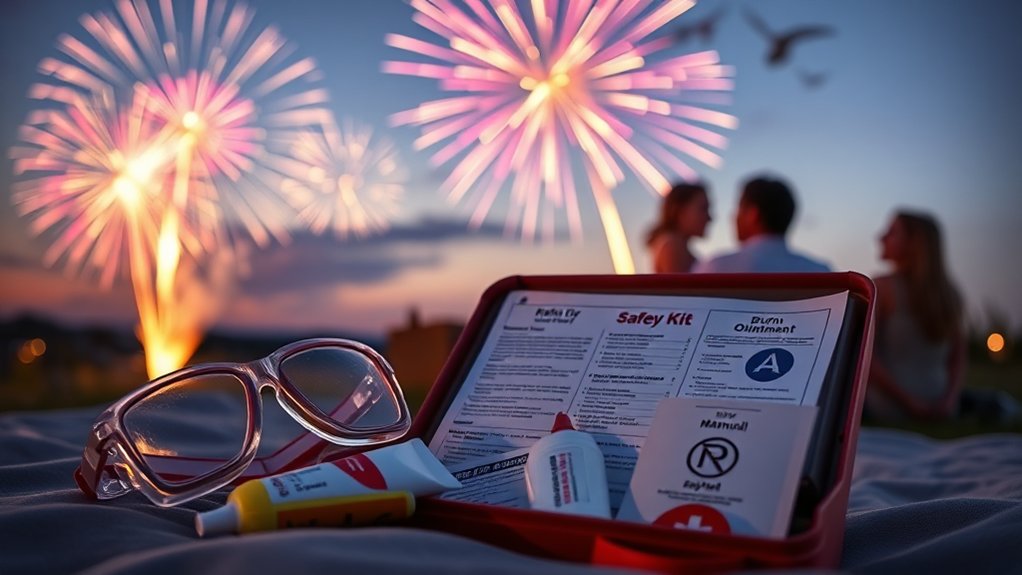
With the concerning increase in fireworks injuries during festive periods, particularly among teenagers, it’s vital to adopt safety measures for a secure celebration.
To encourage responsible use of fireworks and adhere to regulations, keep these guidelines in mind:
- Always read and follow the manufacturer’s instructions.
- Maintain a safe distance from lit fireworks, ensuring bystanders are also at a safe distance.
- Wear protective eyewear to guard against sparks.
- Never attempt to relight faulty fireworks; ignite only one at a time.
Importance of Supervision for Children
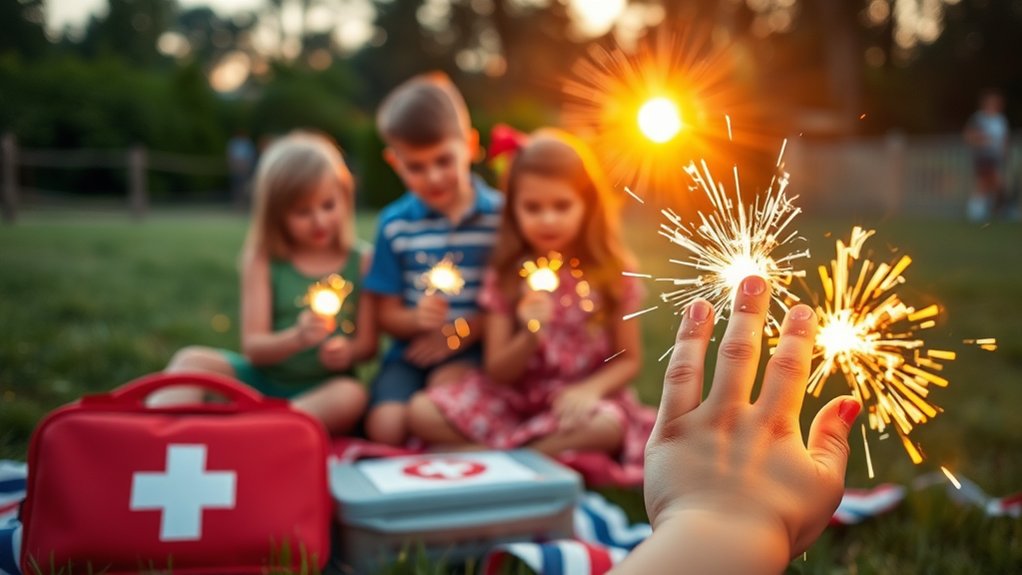
When it comes to fireworks, your supervision is crucial for keeping children safe.
Unsupervised children are more likely to take risks, which can lead to serious injuries. By closely monitoring their activities and teaching them about firework safety, you can significantly lower the risk of accidents.
For example, ensure they stay at a safe distance and never handle fireworks themselves. Your active involvement makes all the difference.
Risks of Unsupervised Use
Children face serious risks when using fireworks without supervision, largely due to their natural curiosity and impulsive behaviour. Without an adult present, they’re more likely to take unsafe actions, which can lead to severe injuries.
- Approximately 29% of fireworks-related injuries involve children under 15.
- Common injuries include eye damage and burns, which can sometimes result in permanent harm.
- Poor handling may lead to injuries to hands and fingers, as well as facial injuries from close-range explosions.
- Unsupervised use increases the likelihood of children using illegal or hazardous fireworks.
To ensure firework safety, children should never be allowed to handle fireworks on their own.
Adult supervision is crucial in preventing accidents and encouraging safe practices, helping to reduce the risks associated with unsupervised use.
Educating on Firework Safety
How can you ensure your child stays safe during firework celebrations? Start by teaching them about the dangers of fireworks. Many myths suggest they’re harmless, but safety statistics indicate that children make up over a third of emergency room visits for firework-related injuries.
Always ensure that young children don’t handle fireworks, while older kids should only do so with close adult supervision. If they’re using sparklers, remind them to wear shoes and hold them away from their faces.
It’s safer to attend professional displays rather than having backyard fireworks. By instilling respect and caution for these potentially dangerous devices, you can significantly reduce the risk of injuries during celebrations.
Importance of Active Monitoring
Given the inherent dangers of fireworks, active monitoring is essential for keeping children safe during celebrations.
Without close supervision, the risk of serious injuries increases significantly.
Here are some effective monitoring strategies to consider:
- Maintain a safe distance from the fireworks.
- Set clear boundaries for where fireworks can be set off.
- Ensure children wear protective gear, such as safety glasses.
- Keep water or extinguishing materials close by for emergencies.
Legal vs. Illegal Fireworks: Understanding the Risks

While fireworks can add excitement to celebrations, it’s essential to understand the differences between legal and illegal options for safety reasons. Legal fireworks are tested and approved under UK regulations, ensuring safer use. In contrast, illegal fireworks, such as firecrackers and aerial shells, carry significant risks, including serious injuries and fire hazards.
| Type of Firework | Safety Features | Potential Risks |
|---|---|---|
| Legal Fireworks | Controlled explosions | Minimal injuries |
| Illegal Fireworks | Unregulated, unpredictable | Severe injuries, fires |
| Homemade Fireworks | Not applicable | Extremely dangerous |
| Licensed Vendors | Inspected by authorities | Adhere to safety standards |
| Public Education | Promotes legal use | Reduces illegal firework usage |
Opt for legal fireworks to ensure a safer experience.
Protective Gear: Essential Safety Equipment

Fireworks can be dangerous during celebrations, so wearing protective gear is essential for your safety.
Investing in the right equipment can significantly reduce the risk of injury. Here are some key items to consider:
- Safety goggles: Protect your eyes from sparks and debris.
- Heat-resistant gloves: Safeguard your hands from burns and enhance your grip.
- Safety helmet: Shield your head from falling debris and projectiles.
- Sturdy footwear: Keep your feet safe from burns and ensure stability.
Stay safe and enjoy your celebrations!
Public Health Campaigns and Their Impact

Public health campaigns are crucial for reducing injuries related to fireworks by raising awareness and promoting safe practices.
However, the U.S. Consumer Product Safety Commission reported approximately 9,700 injuries in 2023, highlighting the need for more effective campaigns.
By focusing on high-risk groups, such as teenagers and young children, these campaigns can encourage community involvement and stress the importance of safety measures, like adult supervision and keeping a safe distance.
Customising messages for vulnerable communities can improve understanding and compliance.
Coordinated efforts can’t only help prevent injuries but also address the pollution associated with fireworks, creating a safer environment for all.
Your involvement in these initiatives can significantly help reduce fireworks-related injuries.
Regulatory Measures for Fireworks Safety

Effective public health campaigns can raise awareness about firework safety, but without strong regulations, injuries can still happen.
Firework regulations are vital for ensuring compliance and safeguarding the public. Here are some key measures to consider:
- A minimum age of 18 for buying fireworks.
- Designated safety zones to control where fireworks may be used.
- Prohibitions on using fireworks near buildings, vehicles, or while under the influence of alcohol or drugs.
- Local council permits required for personal firework displays.
These measures help ensure that everyone can enjoy fireworks safely.
Frequently Asked Questions
What Should I Do if Someone Gets Injured by Fireworks?
If someone is injured by fireworks, cool the burn under running water immediately, apply pressure to any bleeding wounds, and steer clear of home remedies. Ensure that emergency services are on their way while keeping an eye out for signs of shock or infection.
Are There Specific First Aid Measures for Fireworks Burns?
If you’re dealing with a fireworks burn, begin by running cool water over the area to ease the pain. Gently clean the wound and cover it to reduce the risk of infection. Proper treatment and care are crucial for effective healing.
How Can I Report Illegal Fireworks Use in My Area?
To report illegal fireworks use, contact your local council or emergency services. Make sure to provide details about the location and the time of the incident. Adhering to fireworks regulations helps keep everyone safe, so encourage your neighbours to report any violations as well for a safer community.
What Age Is Appropriate for Children to Use Sparklers?
When it comes to sparkler safety, it’s recommended that children should be at least 7 years old before using them. Always supervise them closely and ensure they understand safety rules. For instance, explain the importance of holding sparklers away from their body and keeping a safe distance from others to avoid accidents. This way, they can enjoy the fun responsibly.
Can Pets Be Harmed by Fireworks, and How Can I Protect Them?
Yes, pets can suffer from stress during fireworks, which can lead to anxiety and even injuries. To keep them safe, create a quiet area for them, play some background noise, and ensure they’re securely indoors during firework displays. This can significantly reduce their distress.
Conclusion
As you enjoy the fireworks lighting up the night sky, remember that safety comes first. While the vibrant colours create a stunning display, it’s important not to overlook the associated risks. Common injuries include burns, hearing damage, and eye injuries. To minimise these risks, choose safe fireworks, follow the instructions carefully, and consider using protective gear like safety goggles. Stay informed and cautious, so your celebrations remain joyful and accident-free. Your safety is important.


