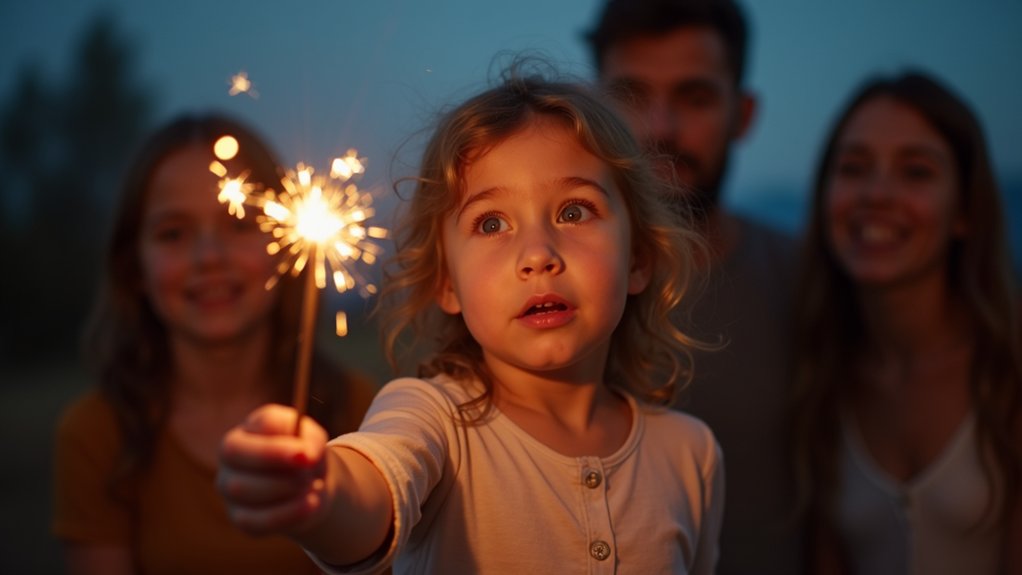
Sparklers are not safe for children due to the risk of severe burns and injuries. They burn at around 1,100 degrees Celsius, making them hazardous when unsupervised. Approximately 40% of sparkler-related injuries involve children under five, with many cases requiring emergency treatment. Active adult supervision is crucial, as children often ignore safety rules. It’s essential to teach safe handling practices. To ensure children’s safety, it’s important to be aware of the dangers associated with sparklers.
Key Takeaways
Are Sparklers Safe for Children?
- Sparklers can burn at extremely high temperatures of around 1,100 degrees Celsius, which presents serious burn risks, particularly for children.
- Children under the age of five make up 40% of injuries related to sparklers, highlighting their vulnerability.
- It’s essential for adults to supervise children closely, as only 65% of kids tend to follow safety rules when using sparklers.
- Many injuries arise from improper handling, underscoring the importance of education and vigilance.
- Additionally, sparklers can harm the environment by releasing toxic chemicals, which can negatively impact local ecosystems.
Understanding the Risks of Sparklers
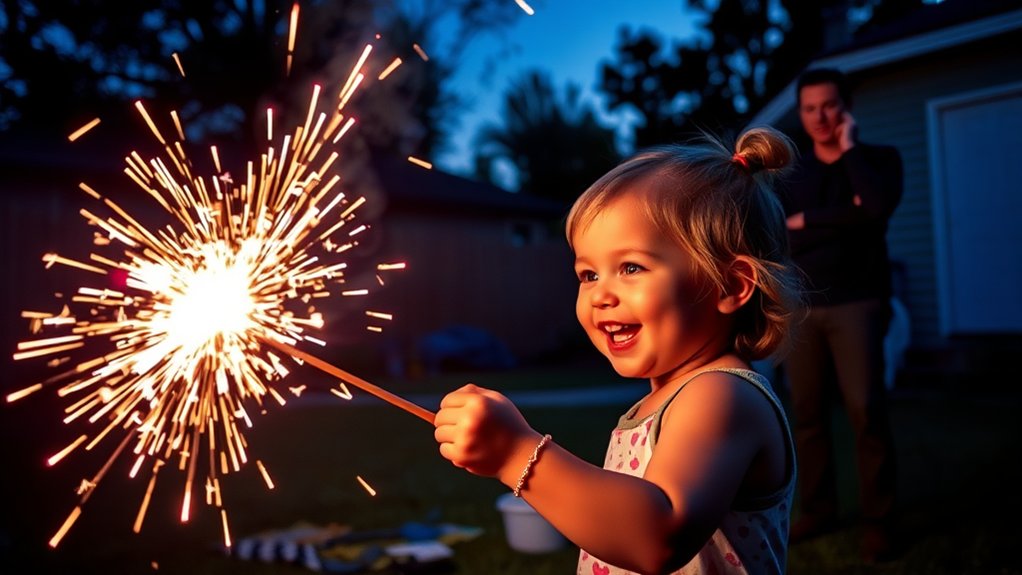
While many see sparklers as harmless fun, it’s important to recognise the serious risks they pose, particularly to children.
Sparklers burn at around 1,100 degrees Celsius, which is hot enough to cause severe burns or ignite flammable materials. Young children often lack awareness of heat and may treat sparklers like toys, increasing the risk of accidents. Direct contact with the metal wire or sparks can lead to painful injuries. Statistics indicate that children under five account for 40% of sparkler-related injuries, underscoring the need for strict safety measures. Always ensure close adult supervision, educate children about the dangers, and enforce rules to prevent running or rough play. In fact, children account for over a third of emergency room visits for fireworks injuries, highlighting the importance of vigilance.
Understanding these risks is crucial for keeping children safe during celebrations.
Common Types of Injuries Associated With Sparklers

Each year, thousands of injuries related to sparklers are reported, with burns being the most common. Approximately 42% of these injuries occur on the hands and fingers, often necessitating emergency treatment. Sparklers can reach extremely high temperatures, posing a significant risk of third-degree burns, especially for young children. They can also cause eye injuries, which may result in permanent vision loss. In fact, nearly 2,000 children are treated annually in the U.S. for fireworks-related injuries, highlighting the importance of caution with sparklers.
| Injury Type | Common Locations |
|---|---|
| Burn | Hands and fingers |
| Eye Injury | Eyes |
| Facial Injury | Head and face |
| Blast Injury | Hands and fingers |
Supervision and safety precautions are crucial to reduce these risks. Remember, sparklers aren’t as innocuous as they may appear!
Age Groups Most Affected by Fireworks Injuries
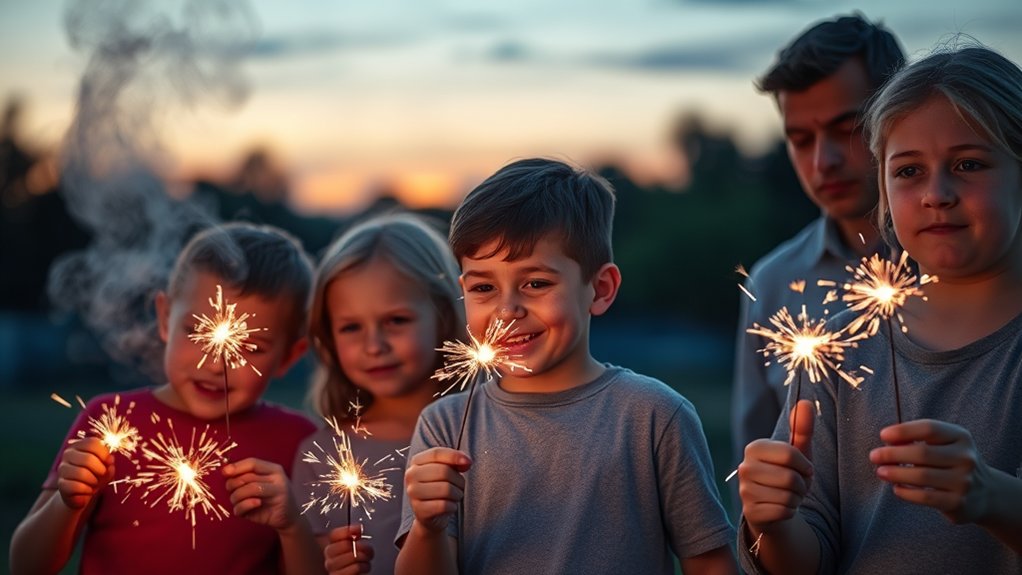
Fireworks injuries mainly affect younger age groups, emphasising the need for caution during celebrations. Statistics show that teenagers aged 15 to 19 experience the highest rate of injuries, with 6.0 per 100,000 needing treatment in emergency departments. Children aged 10 to 14 follow, with 3.7 injuries per 100,000, while those aged 5 to 9 account for roughly 14% of all injuries. This group is particularly at risk due to hazards posed by sparklers and other handheld fireworks. Alarmingly, nearly 28% of all fireworks-related injuries involve children under 15. Many of these injuries result from improper handling, highlighting the importance of parental supervision and education on safety. Furthermore, fireworks caused nearly 20,000 fires in 2018, which underscores the potential dangers associated with their use.
The Importance of Adult Supervision

When using sparklers, adult supervision is crucial for children’s safety. Although 90% of parents say they supervise their kids, thousands of children still get injured each year.
Effective supervision means being actively involved and alert, not just being present. Many parents underestimate the dangers of sparklers, mistakenly thinking they’re safe for younger children. It’s important to enforce safety rules, as only 65% of children tend to follow them.
Keep in mind that supervision can reduce risks, but it doesn’t eliminate them completely. Hot sparklers can cause serious burns, especially to hands and faces.
Your active involvement as a parent in monitoring sparkler use can significantly help prevent accidents and ensure a safer experience for everyone.
Safety Recommendations for Using Sparklers

When using sparklers, supervision is crucial to ensure safety and prevent accidents.
Practising safe handling, such as maintaining a safe distance and wearing suitable clothing, can significantly lower the risk of injuries.
Supervision Is Essential
While sparklers can bring a bit of magic to celebrations, it’s crucial that adults supervise their use to ensure children’s safety.
Children should only use sparklers with direct adult supervision. Keep a close watch on their behaviour to avoid risks, such as running or throwing them. It’s important to teach kids to hold only one sparkler at a time and to step in if they try to relight a sparkler that has gone out.
Make sure they understand that sparklers burn at around 1,100°C (2,000°F) – that’s extremely hot!
Encourage them to stay calm and still while using sparklers. Remind children that sparklers aren’t toys and stress the importance of handling them properly and keeping a safe distance to prevent serious injuries.
Safe Handling Practices
To ensure a safe and enjoyable experience with sparklers, it’s important to follow some key handling practices. Here are three essential tips for sparkler safety:
- Wear Protective Gear: Opt for non-flammable clothing and closed-toe shoes to minimise the risk of burns. Safety goggles can also help protect your eyes from sparks.
- Choose a Safe Environment: Select a clear outdoor space away from anything flammable. Keep a bucket of water or sand nearby to extinguish used sparklers.
- Handle Properly: Hold sparklers at arm’s length and avoid touching the lit end. Light them one at a time to prevent accidents, and ensure children know how to hold them safely.
Injury Prevention Tips
Sparklers can add fun to celebrations, but safety should come first to prevent injuries. Always supervise children closely when using sparklers, as they can burn at temperatures around 1,100°C (2,000°F).
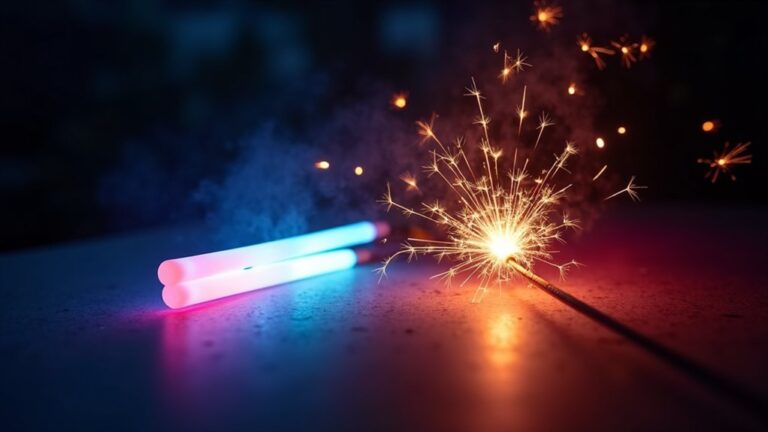
Ensure children wear non-flammable clothing and protective eyewear. Discourage running or rough play to minimise risks. For younger kids, consider safer alternatives like glow sticks.
Light only one sparkler at a time and keep a safe distance from others. After use, place sparklers in a bucket of water to cool down completely.
Always buy sparklers from reputable sellers and avoid illegal options. Following these precautions will help keep children safe while enjoying the festive atmosphere.
Regulatory Concerns Regarding Fireworks Safety
When it comes to fireworks safety, understanding compliance with safety standards is crucial for protecting children. Illegal fireworks can be particularly dangerous for young ones.
Educating consumers is key to ensuring everyone is aware of the risks and follows regulations to keep celebrations safe. For instance, always choose fireworks that are marked with the British Standard kite mark, as these meet safety requirements.
Compliance With Safety Standards
Sparklers, often perceived as innocent fun, come with specific regulations to ensure safety, particularly for children.
Here are three important points to consider:
- Age Restrictions: In the UK, individuals must be at least 18 years old to buy sparklers.
- Safety Guidelines: Regulations require adult supervision for children, stressing the importance of using sparklers outdoors and wearing protective gear, such as gloves.
- Enforcement Actions: Authorities actively check compliance with these regulations, and retailers can face penalties for not adhering to safety standards.
Always prioritise safety when using sparklers to ensure a fun experience for everyone involved.
Risks of Illegal Fireworks
As illegal fireworks increasingly enter the market, the risks associated with their use, especially for children, rise significantly.
These products are often made without proper safety regulations, heightening the likelihood of malfunctions that can result in serious injuries. Hospitalisation rates from illegal fireworks injuries are alarmingly high, with children facing a greater risk of severe burns and trauma.
It’s crucial to understand that illegal fireworks are far more dangerous than their legal counterparts. Many people are unaware of these risks, leading to unsafe practices and accidents, particularly among unsupervised young people.
Importance of Consumer Education
Understanding the importance of consumer education on fireworks safety is essential, particularly for protecting children from harm. Here are three key points to consider:
- Consumer Awareness: Remember that sparklers can reach temperatures of about 1,100°C, which can cause severe burns.
- Educational Resources: Regulatory bodies offer vital information on safe fireworks handling, stressing the need to buy only items approved by the relevant authorities.
- Legal Compliance: Always check if your fireworks are permitted in your area to steer clear of dangerous, unregulated products.
Behavioral Factors Contributing to Sparklers Injuries
While children find sparklers captivating, their behaviour during use significantly increases the risk of injury. Many lack awareness of the dangers, often holding sparklers incorrectly, like near the lit end, which raises the likelihood of burns.
Their natural curiosity and impulsiveness may lead them to walk too close to others or near flammable materials, resulting in further injuries. Statistics indicate that children aged 5-9 and teenagers aged 15-19 have the highest rates of sparkler-related injuries.
Peer pressure and the excitement of celebrations can encourage reckless handling. Without proper supervision and safety education, children may underestimate the risks, leading to serious injuries such as burns or eye damage.
It’s crucial to teach them safe practices when using sparklers to reduce these dangers.
Environmental Considerations for Sparkler Use
Sparklers might seem like innocent fun, but they come with notable environmental risks that deserve attention.
Here are three key points to consider:
- Chemical Contaminants: Sparklers emit perchlorate and heavy metals, which can pollute soil and water, harming local ecosystems.
- Air Pollution: The use of sparklers contributes over 60,000 metric tons of CO2 each year, negatively impacting air quality and worsening respiratory problems.
- Water Contamination: When sparklers are used near water sources, toxic chemicals can wash away, endangering aquatic life and biodiversity.
It’s important to understand the environmental impact of sparklers and consider alternatives that are less harmful.
Opting for eco-friendly options allows for enjoyable celebrations without the negative consequences.
Encouraging Safe Celebrations With Sparklers
As you get ready for celebrations with sparklers, ensuring safety is crucial for a fun experience, especially for children.
Always have adult supervision, as sparklers burn very hot and can cause serious burns. Teach children how to handle them properly, such as holding sparklers at arm’s length and never attempting to relight a spent one.
Create a safe space by removing flammable materials and having a bucket of water handy for disposal.
For younger children, consider using alternatives like LED sparklers or glow sticks, which provide the same enjoyment without the risks.
Frequently Asked Questions
What Age Is Considered Safe for Children to Use Sparklers?
The guidelines for using sparklers suggest that children as young as 7 can handle them with proper adult supervision. However, for busier events, it’s safer to wait until they are 12. Always prioritise keeping an eye on children to ensure their safety and reduce the risk of injury.
Can Sparklers Be Used Indoors Safely?
Using sparklers indoors is extremely risky. The enclosed space increases the likelihood of fire hazards and injuries. It’s best to enjoy sparklers outside, where there’s less chance of burns and accidents. Always keep a close eye on anyone using them.
Are There Any Alternatives to Sparklers for Celebrations?
For safer celebrations, think about alternatives to sparklers such as glow sticks, bubble wands, or LED sparklers. These options offer festive enjoyment without the risks of burns or fire, creating a safer environment for everyone.
How Can Parents Teach Children About Sparkler Safety?
To teach children about sparkler safety, focus on supervision and clear demonstrations. Show them the correct way to hold sparklers and explain the potential dangers, emphasising that they are not toys. Always supervise them closely while they’re using them!
What Should I Do if a Sparkler Causes an Injury?
If a sparkler causes an injury, quickly move away from any sparks. Rinse the burn under cool running water for 10-20 minutes. If the burn is serious, seek medical attention promptly. It’s essential to have basic first aid knowledge to prevent injuries in the first place.
Conclusion
In summary, while sparklers can add excitement to celebrations, they pose significant risks, particularly for children. It’s crucial to supervise children closely and adhere to safety guidelines to prevent accidents. Before lighting a sparkler, consider if the thrill is worth the potential danger. Enjoy the festivities, but make safety your top priority!