

Fountains can be risky for close viewing. They may harbour harmful bacteria from faecal contamination and outdated plumbing. Regular upkeep is crucial to ensure they remain clean and safe. It’s particularly important to supervise children and pets, as they might not recognise the dangers. While fountains add beauty to urban spaces and foster community interaction, being aware of their maintenance and safety is vital. Learning more about fountain design and local resources can enhance your experience.
Key Takeaways
- Supervision is crucial near fountains to ensure children’s safety and prevent accidents.
- Fountains can contain harmful microbes, which pose health risks if touched or used improperly.
- Physical barriers can help restrict access to fountains, enhancing safety for those viewing them up close.
- Regular maintenance and cleaning can significantly reduce the risk of bacteria and other contaminants.
- Design features, such as child-friendly heights, can improve safety for young children around fountains.
Public Perception of Fountains in Urban Areas

Fountains are both decorative features and practical public assets in urban areas, influencing how communities view their public spaces. Their visual appeal plays a significant role in shaping public perception; attractive fountains can enhance the environment, making areas more inviting.
When designed thoughtfully, fountains encourage public interaction and engagement, helping to foster a sense of community identity. They can represent societal values such as health, hygiene, and equity. However, there are concerns about water conservation associated with fountains, highlighting societal attitudes towards resource use. Striking a balance between the aesthetic and functional aspects of fountains is crucial for maintaining a positive public perception, ensuring these urban features continue to enrich community life. Additionally, historical significance tied to public health demonstrates the potential benefits of rethinking drinking fountains in urban spaces.
Health Risks Associated With Water Fountains
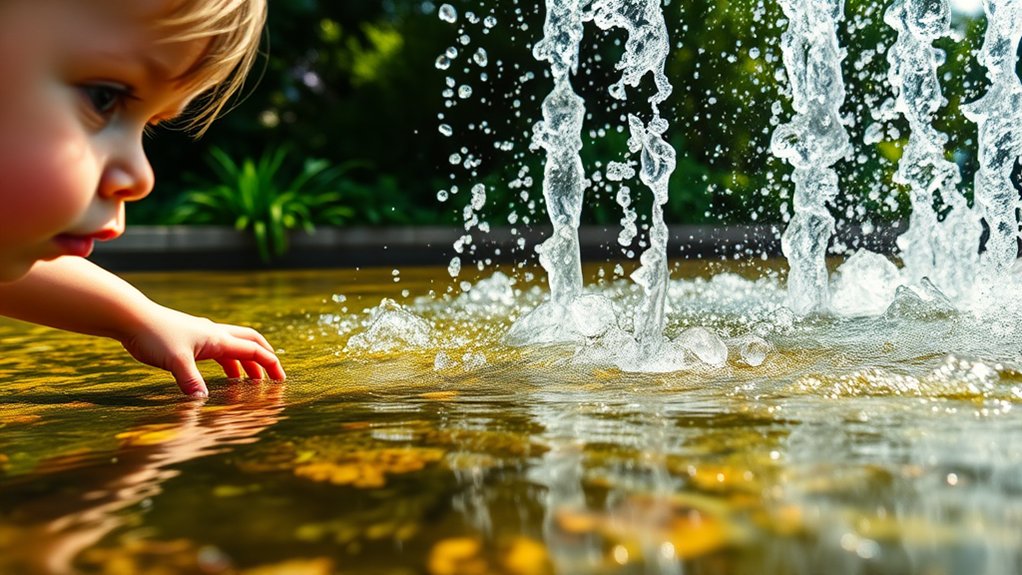
Water fountains may appear innocuous, but they can pose serious health risks due to microbial and chemical contamination.
Coliform bacteria, which indicate faecal contamination, can often be found on surfaces like buttons and nozzles that are frequently touched. These germs can lead to illnesses such as the common cold, flu, and gastrointestinal issues.
Moreover, outdated plumbing can leach harmful metals like lead and copper into the water, which can cause symptoms like nausea and abdominal cramps. Additionally, regular maintenance is crucial to prevent harmful contaminant buildup and ensure that the fountains remain safe for public use.
Inadequate maintenance can worsen microbial contamination, allowing biofilms to develop.
Regular cleaning and proper maintenance are crucial to minimise these risks.
Staying informed about fountain hygiene is essential for protecting your health when using these public facilities.
Safety Measures for Children and Pets

To keep children and pets safe around fountains, constant supervision is crucial. Installing physical barriers, such as sturdy fencing or decorative shrubs, can effectively limit access and minimise risks. Additionally, ensuring the fountain has child-friendly height can further enhance safety by making it less intimidating for young children to approach. It’s also important to maintain safety zones around the fountain to keep a safe distance from any potential hazards.
Supervision Essential for Safety
Ensuring constant adult supervision near water features like fountains is crucial for the safety of children and pets. Effective supervision can significantly reduce the risk of accidents. Always stay within arm’s reach of young ones and pets, and keep a watchful eye to prevent slips or drowning incidents.
| Supervision Strategies | Benefits |
|---|---|
| Close monitoring | Lowers drowning risks |
| Teaching children | Strengthens water safety |
| Minimising distractions | Increases alertness |
Barriers to Restrict Access
Installing barriers around fountains is crucial for keeping children and pets safe from potential dangers. Child-resistant fences with lockable gates are a practical solution to limit access to water and enhance safety.
You can also choose decorative options like shrubs or picket fences that complement the fountain while providing protection.
Positioning fountains away from play areas and homes makes supervision easier and reduces the likelihood of accidental access. Designing fountains with shallow basins or tiered features can further lower drowning risks.
Adding visual and audible warning systems, such as water alarms or clear signage, can deter unsupervised approaches.
Importance of Regular Fountain Maintenance

Regular maintenance of public fountains is crucial for ensuring water quality and safeguarding public health. Keeping fountains clean—by regularly servicing tanks, pipes, and filters—helps prevent the build-up of harmful bacteria and contaminants. Following proper maintenance protocols significantly reduces health risks associated with unsafe drinking water.
Routine water quality testing is vital, as it identifies dangerous substances and protects vulnerable groups, such as children. Furthermore, upgrading plumbing and fixtures helps to prevent leaks and stagnation, which can compromise water quality.
Investing in these practices not only extends the life of the fountain equipment but also builds public confidence in the safety of drinking water.
Accessibility and Usage of Drinking Fountains

Access to drinking fountains is crucial for promoting hydration and public health, particularly in shared spaces.
It’s important that these fountains are accessible to everyone, including wheelchair users and those who are able-bodied. Legal standards stipulate that wheelchair-friendly fountains must have adequate clear space and spouts positioned for easy use.
However, access can vary significantly; for example, 55% of park visitors have reported the availability of fountains, while access in schools can differ based on race and region. These geographical disparities often lead to inequalities, especially in underserved areas.
Assessing the condition and distribution of drinking fountains is essential to ensure fair access for all. By improving the placement and upkeep of these fountains, we can promote better hydration and overall public health, benefiting the entire community.
Environmental Impact and Aesthetic Value

Drinking fountains promote hydration and support environmental sustainability while enhancing urban aesthetics. By reducing the need for bottled water, they help cut down plastic waste and decrease landfill volume, which is beneficial for the environment. Each fountain can lower the oil consumption linked to bottled water production.
Moreover, well-designed fountains improve public spaces, encouraging community interaction. Integrating natural elements or artistic features can create calming atmospheres that boost mental well-being.
Upgrading older fountains with modern filtration systems ensures they’re visually appealing and environmentally friendly, balancing the need for sustainability with attractive urban design.
Best Practices for Fountain Design and Placement

When designing and placing fountains, it’s essential to prioritise safety and functionality for a positive user experience.
Consider the basin depth, which should be between 30 to 45 centimetres, and ensure slopes don’t exceed a 1:12 ratio to prevent slips. For interactive fountains, keep water depth below 20 centimetres.
Use durable, slip-resistant materials to enhance aesthetics while reducing the risk of accidents. Include features to prevent entrapment and injuries.
Regularly check water quality to limit Legionella growth by keeping temperatures below 25°C. Position fountains with at least 1.8 metres of unobstructed space for safe viewing.
Lastly, ensure proper ventilation and safeguards for electrical equipment to boost safety and functionality.
Frequently Asked Questions
Can Decorative Fountains Attract Insects or Pests?
Decorative fountains can attract insects because of the moisture they provide, creating environments for beneficial species. However, regular maintenance and ensuring water movement can effectively control unwanted pests, helping to maintain a balanced ecosystem around your fountain. For instance, keeping the water clean and circulating can deter mosquitoes while promoting the presence of helpful insects like dragonflies.
How Do Fountains Affect Local Wildlife?
Fountain ecosystems draw in a variety of wildlife, promoting interactions between species. They serve as important habitats and food sources. However, stagnant water can pose health risks. It’s crucial to find a balance to support healthy urban wildlife populations. For example, adding moving water or plants can help prevent stagnation and attract more birds and insects. Overall, well-maintained fountains can benefit local ecosystems significantly.
Are There Noise Regulations for Outdoor Fountains?
Yes, there are noise regulations for outdoor fountains in the UK. It’s important to keep an eye on noise levels and ensure your fountain is well-maintained to meet local guidelines, which often specify acceptable sound levels to preserve a tranquil environment. For instance, if you live near residential areas, your fountain should not disrupt the peace during late hours.
What Materials Are Safe for Fountain Construction?
When choosing materials for fountain construction, consider the durability of concrete versus the aesthetic appeal of ceramics. Concrete is strong and long-lasting, making it a practical choice. On the other hand, ceramics can add a beautiful visual element to your design. Both materials have their own benefits, so think about what best suits your style and functional needs.
How Can I Report a Malfunctioning Public Fountain?
To report a malfunctioning public fountain, get in touch with your local council’s public works or environmental health department. Include specific details about the problem, the fountain’s location, and any safety issues. This helps ensure quick maintenance and keeps public safety a priority.
Conclusion
In summary, while fountains improve urban landscapes and offer recreational areas, it’s important to be aware of potential health risks. Research indicates that nearly 70% of public drinking fountains contain harmful bacteria. To ensure safety, regular maintenance and thoughtful design are crucial, particularly for children and pets who may come into close contact with these features. By following best practices, we can enjoy the beauty of fountains while reducing health risks and enhancing their environmental benefits.


