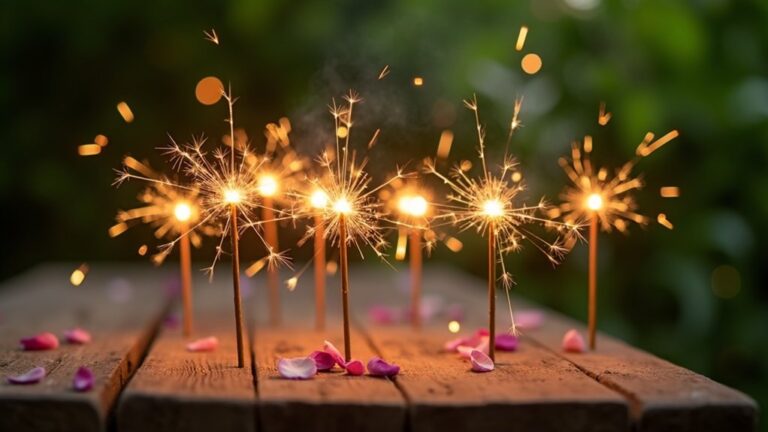
Sparklers are often prohibited in public venues due to their serious fire hazards, risk of injury, and environmental concerns. They burn at extremely high temperatures, which can cause severe burns, especially in children. Legal restrictions aim to reduce these dangers, with potential fines or even imprisonment for misuse. Communities prioritise safety and compliance to protect everyone. By understanding these factors, you can better appreciate the regulations surrounding sparklers and the importance of opting for safer alternatives.
Key Takeaways
- Sparklers can reach extremely high temperatures, creating serious fire hazards in public places with flammable materials.
- Fireworks, including sparklers, are responsible for many injuries, especially among children, which is why they’re often banned for safety reasons.
- Legal restrictions differ across regions, with some areas enforcing complete bans on sparklers to reduce risks in crowded public spaces.
- The noise from sparklers can be quite distressing, raising concerns about community well-being during public events.
- Sparklers and fireworks can also harm the environment, causing soil and air pollution, which impacts public health and influences venue policies.
The Fire Hazard Risks of Sparklers

While sparklers may seem harmless, using them in public spaces presents serious fire hazard risks. They can burn at temperatures over 1200 degrees Celsius, easily igniting flammable materials such as upholstery and dry foliage. In 2023, approximately 9,700 fireworks injuries were treated in emergency rooms, highlighting the dangers of fireworks-related incidents. Additionally, improper techniques when handling sparklers can lead to severe burns and injuries.
In crowded areas, the chance of an ignition increases, especially with unpredictable sparks flying about. These sparks can land on flammable liquids or nearby rubbish, leading to rapid fire spread and dangerous situations. Moreover, inadequate supervision often results in misuse by children or distracted individuals, worsening the risks. The potential for uncontrolled fires in public venues, particularly those lacking proper fire control measures, underscores the urgent need for stricter regulations on sparkler use to ensure safety for all.
Injury Statistics and Common Types of Injuries

Sparklers account for around 12% of all firework-related injuries, particularly impacting children under the age of 15. The most common injuries are burns, which can lead to serious complications, including potential long-term vision loss. This highlights the urgent need for stricter regulations on sparkler use, especially in public spaces. Burns account for 37% of reported injuries, emphasizing the dangers associated with sparklers. Children often treat sparklers like toys, increasing accident risks, which further underscores the importance of regulation and oversight.
Common Injury Types
Fireworks, especially sparklers, carry significant risks and can lead to a range of common injuries that often require medical attention. Burns account for about 37–42% of all fireworks-related injuries, with sparklers burning at around 1,100 degrees Celsius. Hand and finger injuries make up 36–46% of cases, typically resulting from burns, fractures, and open wounds. Injuries to the head, face, and eyes account for 17–22% of incidents, posing serious risks to vision. While many injuries can be treated, they may result in long-term complications if not dealt with quickly. In fact, approximately 11,500 emergency room visits occurred last year due to fireworks injuries, highlighting the importance of understanding these common injuries. Ensuring adult supervision during firework use can significantly mitigate the risk of accidents and injuries.
Understanding these common injuries is crucial for preventing accidents, particularly during busy times like holiday weekends. Always prioritise safety to reduce the risk of serious injuries associated with sparklers and other fireworks.
Child Injury Statistics
Given the concerning statistics regarding child injuries from fireworks, it’s important to recognise the demographics and associated risks.
Children aged 5 to 9 are more than twice as likely to be injured by fireworks compared to other age groups. In 2024, around 1,700 sparkler-related injuries were reported, underscoring the need for effective child safety measures.
Burns account for 37% of all fireworks-related injuries, with hand and finger injuries being particularly prevalent among young users. Males are disproportionately affected by these incidents.
To prevent such injuries, awareness campaigns and stricter regulations on fireworks, especially sparklers, are crucial. By prioritising child safety, we can significantly reduce these troubling injury statistics.
Long-term Vision Loss
While many people take pleasure in fireworks during celebrations, the risk of long-term vision loss from ocular injuries is a serious concern.
In the UK, firework-related injuries contribute to around 2% of all eye injuries, with a concerning 33-42% leading to permanent blindness or significant vision impairment.
Most injuries result from explosive blasts and flying debris, often impacting innocent bystanders, particularly children.
Common injuries include corneal abrasions and traumatic cataracts, but the most severe cases involve open globe injuries, which can result in total vision loss.
Given these alarming figures, it’s crucial to prioritise injury prevention through stricter regulations and public education.
Swift medical attention is vital to reduce the risk of lasting vision damage from firework accidents.
Legal Restrictions Surrounding Fireworks

When it comes to fireworks, knowing the specific laws in your area is crucial for safety and compliance. Many local councils impose fines for breaches, particularly regarding age restrictions and where you can set them off.
It’s also important to follow safety guidelines to reduce risks associated with using fireworks. For example, always keep a safe distance from spectators and never use them in built-up areas.
Staying informed helps ensure a safe and enjoyable experience.
State-specific Firework Laws
When looking into firework laws in the UK, it’s important to note that regulations differ significantly across the country.
For example, in England, you can buy and use fireworks for personal use on certain dates, but there are restrictions on the types available.
In Scotland, the laws are stricter, with many fireworks banned for private use.
Meanwhile, in Wales, you can purchase and use fireworks, but local councils may have their own rules.
Some areas allow sparklers and small novelty items, while others impose strict bans on handheld fireworks.
Compliance with national safety standards is essential, and local ordinances may apply as well.
Understanding these regulations is crucial for anyone thinking of using fireworks to ensure you’re aware of both national laws and any local restrictions.
Fines and Penalties
Firework regulations in the UK impose strict fines and penalties for violations, highlighting the importance of public safety.
Here are the key points regarding the fines and penalties for illegal fireworks:
- Initial fines can range from £500 to £50,000, depending on the severity of the offence.
- Using dangerous fireworks may result in fines of up to £10,000.
- Repeat offenders could face jail time, with misdemeanours leading to up to six months in prison and felonies resulting in one to six years.
- Property owners who permit illegal firework use may be fined starting at £1,000, with penalties increasing for subsequent offences.
Understanding these legal restrictions is crucial to avoid serious consequences related to fireworks misuse.
Safety and Compliance Measures
To ensure public safety, local councils in the UK often impose strict regulations on the use of sparklers at public events. Rules can vary significantly; some areas may ban their use altogether, while others enforce distance limits from sensitive sites like hospitals.
It’s essential to secure permits, as event organisers face challenges when dealing with differing local laws and safety measures. Even when permits are granted, events must comply with specific safety conditions, such as requiring adult supervision and prohibiting nearby ignition sources.
Councils also conduct inspections and retain the authority to regulate sparkler use based on safety concerns. These measures work together to reduce risks associated with sparklers, ensuring a safe experience for all attendees.
The Consequences of Legal Violations

While the excitement of sparklers and fireworks may appear innocent, misusing them can lead to serious legal consequences. Breaching fireworks regulations can have significant repercussions for both you and your community.
Here are some key points to consider:
- You could face either a misdemeanor or a more serious charge, with potential imprisonment for up to five years.
- Fines can vary from hundreds to tens of thousands of pounds.
- Repeat offenders or those who cause property damage may encounter harsher penalties.
- There’s an increased demand on emergency services due to incidents related to illegal fireworks use.
These legal issues not only impact individuals but also put a strain on community resources.
Illegal use can result in property damage, higher taxes for enforcement, and a general sense of insecurity, leading local councils to introduce stricter regulations.
Public Safety and Enforcement Measures

The legal consequences of sparkler misuse underscore the pressing need for effective public safety measures and enforcement in the UK. Regulations regarding sparklers vary, with some areas imposing outright bans due to their potential dangers.
In densely populated areas, sparklers can easily ignite fires or cause serious injuries, leading to strict enforcement against their use in public spaces. Authorities set up patrols and checkpoints to catch offenders, with fines reaching up to £1,000 and the confiscation of illegal fireworks.
Permits are only granted to approved organisations, ensuring they adhere to safety protocols. Public awareness campaigns are also crucial in educating people about the risks of using unauthorised sparklers.
Ultimately, these measures are designed to safeguard both users and bystanders, ensuring public safety in crowded areas.
Environmental and Property Damage From Fireworks

Fireworks, while often enjoyed for their dazzling displays, pose serious risks to the environment and property that shouldn’t be ignored.
Their use contributes to significant fireworks pollution, leading to several adverse effects, including:
- Contamination of soil and water with harmful chemicals like perchlorate, which can harm plants and aquatic life.
- A 42% increase in air pollution, releasing toxic gases and fine metal particles.
- Introduction of heavy metals and microplastics into ecosystems, posing threats to wildlife and human health.
- Expensive clean-up efforts and long-term remediation due to debris and chemical residues.
These concerns underline the necessity for stricter regulations on the use of fireworks to safeguard our environment and community resources from their damaging effects.
The Impact of Fireworks on Community Resources

The environmental and property damage caused by fireworks significantly impacts community resources.
During celebrations, fireworks put immense pressure on public services, particularly emergency medical services. For instance, in 2020, they were linked to 18 fatalities and numerous injuries, overwhelming healthcare systems.
Furthermore, fireworks contribute to air pollution by increasing fine particulate matter, which poses health risks, especially for vulnerable populations.
The fires ignited by fireworks can result in substantial property damage, leading to expensive repairs and recovery efforts for public infrastructure.
Law enforcement also faces difficulties in managing fireworks, which diverts vital resources from other essential community needs.
Noise Pollution and Its Effects on Sensitive Populations
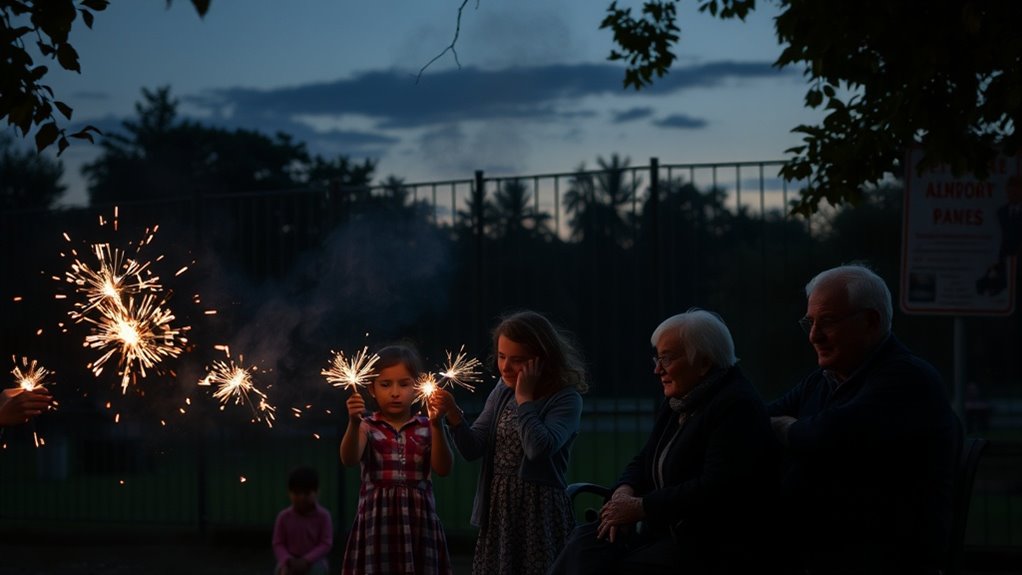
Noise pollution is often underestimated, yet its effects on sensitive groups are significant and varied. Children, the elderly, and individuals with chronic illnesses are particularly vulnerable.
Here are some notable impacts:
- Prolonged exposure to noise can impair cognitive function and hinder learning in children.
- Those in sensitive populations frequently experience increased psychological distress, such as anxiety and sleep issues.
- Long-term noise exposure is linked to a higher risk of neuropsychiatric conditions.
- Socioeconomic factors worsen these issues, as disadvantaged communities often live in noisier environments.
Recognising these effects highlights the urgent need for policies aimed at reducing noise pollution to safeguard the well-being of those most affected.
Promoting Safer Alternatives to Personal Fireworks

As communities become more aware of the negative impacts of noise pollution and safety hazards, it’s important to consider safer alternatives to personal fireworks, such as sparklers.
Glow sticks provide bright colours without the fire risks tied to traditional fireworks, making them ideal for all ages. LED balloons and light-up toys can create a festive atmosphere while avoiding potential burn injuries.
Additionally, options like confetti poppers and drone light displays offer exciting visual effects without the dangers of sparklers. By choosing these non-flammable alternatives, you help minimise the risks of injuries, fires, and environmental harm.
Opting for these safer choices not only enhances celebrations but also supports community safety guidelines, ensuring a more enjoyable experience for everyone.
The Role of Public Awareness Campaigns

Public awareness campaigns are vital for educating communities about the dangers of fireworks, particularly sparklers, which are often wrongly perceived as safe.
These campaigns aim to reduce injuries and fatalities through effective outreach and safety education.
Key points include:
- 65% of fireworks injuries involve bystanders.
- Sparklers can cause severe burns and eye injuries.
- In 2024, there were 14,700 injuries treated in emergency rooms.
- Collaborations with organisations help distribute essential safety materials.
Understanding these risks can save lives and prevent injuries.
Community Standards and the Importance of Compliance

Upholding safety regulations in public spaces is vital for protecting community members and ensuring a pleasant environment.
By adhering to these standards, you help create a culture of safety that benefits everyone.
Raising awareness about the dangers of sparklers, for instance, encourages shared responsibility and leads to safer celebrations for all.
Upholding Safety Regulations
While many people appreciate the festive spirit that sparklers bring, it’s crucial to understand the safety regulations that govern their use in public spaces.
Adhering to these regulations is vital for community safety and compliance with the law. Here are some key reasons why following the rules is important:
- Legal restrictions prevent the use of sparklers on public property without proper permission.
- Sparklers can reach extremely high temperatures, creating significant fire risks.
- Adult supervision is essential to avoid injuries.
- Ignoring these regulations can lead to substantial fines or even imprisonment.
Enhancing Community Awareness
As communities strive to create safe and enjoyable environments, it’s crucial to enhance awareness of local standards and compliance. Engaging residents through community workshops and providing educational resources can significantly improve understanding of safety regulations, such as the reasons behind sparkler restrictions.
Clear communication about these standards builds trust and encourages voluntary compliance, fostering a sense of shared responsibility.
Implementing public education campaigns and displaying clear signage at events can remind attendees of restrictions and their rationale. This proactive approach helps prevent safety risks and promotes positive relationships among community members.
Ultimately, understanding and following community standards ensures enjoyable experiences while respecting diverse cultural expressions and maintaining public safety.
Frequently Asked Questions
What Specific Types of Venues Are Most Affected by Sparkler Bans?
Wedding venues and theme parks are significantly impacted by sparkler bans. These venues prioritise safety and liability, allowing guests to celebrate without the risk of fire hazards. This not only protects attendees but also safeguards property from potential disasters.
How Do Laws Vary Between Different States Regarding Sparkler Use?
Sparkler regulations vary significantly across different states, much like the flickering of flames. Some states classify them as novelty items, while others enforce strict laws on consumer fireworks. This creates a complex landscape of regulations and safety measures, making it important for users to be aware of local laws before using sparklers. For example, in some areas, sparklers might be completely legal for personal use, while in others, there may be restrictions on the size or type of sparkler allowed. Always check your local regulations to ensure you’re compliant and safe.
Are There Any Exceptions to the Sparkler Bans in Public Venues?
Yes, there are exceptions for using sparklers in public venues if you obtain the necessary permits, which help ensure safety. It’s worth considering safer alternatives that adhere to local regulations. For instance, LED sparklers can provide a similar festive atmosphere without the risks associated with traditional sparklers.
What Are the Penalties for Using Sparklers in Banned Areas?
Using sparklers in prohibited areas can lead to fines of up to £100 and, in some cases, potential imprisonment. Authorities face challenges in enforcing these regulations, as they strive to ensure public safety while allowing people to enjoy celebrations. For example, if you’re caught using sparklers in a designated no-fire zone, you could face a hefty fine and legal consequences.
How Can Communities Promote Safer Celebrations Without Sparklers?
Communities can encourage safer celebrations by highlighting that 85% of firework injuries are linked to sparklers. Promoting safe alternatives like glow sticks at local events can boost engagement and creativity, while ensuring that everyone has a fun and safe experience.
Conclusion
In summary, the prohibition of sparklers in certain public venues is primarily due to serious fire hazards, risks of injury, and legal regulations. Given the potential for significant injuries and the burden on emergency services, it’s worth asking: is the excitement of sparklers really worth the danger? By advocating for safer alternatives and increasing public awareness, we can celebrate without jeopardising safety. Ultimately, it’s important to recognise and adhere to community standards to ensure everyone’s safety and well-being.