

To plan a professional fireworks show for a festival, start by choosing a large venue that allows for safe access for emergency vehicles. Ensure you obtain the necessary permits and outline your safety protocols clearly. Design an impressive display with a variety of colours and effects, while carefully budgeting for both fireworks and safety measures. Don’t overlook crowd control and emergency preparedness; these are vital for a successful event. With thorough planning, you can create a stunning experience. Interested in learning more about running a successful show?
Key Takeaways
- Choose a spacious venue that has obtained the necessary permits and complies with safety regulations for the fireworks display.
- Plan the show with a variety of effects, combining quieter moments with more explosive displays to keep the audience engaged.
- Implement strict safety protocols for handling and firing fireworks, using electronic ignition methods for added safety.
- Work closely with emergency services and maintain clear communication for operations and response plans on the day of the event.
- Carry out thorough inspections and clean-up after the show, ensuring compliance with environmental regulations and documenting any incidents for future improvement.
Selecting the Ideal Venue

Choosing the right venue for your fireworks display is crucial for ensuring a safe and enjoyable experience for everyone. Start by selecting a location with plenty of open space to accommodate the fallout zone and spectator safety perimeter. This not only looks better but also keeps your audience comfortable.
Assess the ground for flatness and unobstructed views, as these factors are vital for good visibility. It’s also important to consider access for emergency vehicles and pyrotechnic teams. Additionally, ensure that you obtain the necessary fireworks permits to comply with local regulations and safety standards. Obtaining appropriate licenses is essential for ensuring the display meets safety requirements.
Make sure you establish clear evacuation routes and have adequate facilities, such as toilets and lighting, to enhance the overall experience.
Finally, opt for a location away from densely populated areas to reduce disturbances, allowing your audience to fully enjoy the show without safety concerns or distractions.
Ensuring Legal Compliance and Permits

After securing the perfect venue for your fireworks display, the next step is to navigate the legal requirements and obtain the necessary permits.
You’ll need a public display permit for 1.3G fireworks, which is crucial for your event. Start the application process at least five business days in advance. Ensure you include detailed resumes of your display operators, site plans, and proof of insurance.
It’s also important to demonstrate your qualifications to the local fire chief, who must approve your operator. Be ready for inspections by the fire marshal to ensure compliance with safety regulations. Additionally, you must obtain an explosives licence from the Health and Safety Executive (HSE) to legally operate your fireworks display.
Designing the Show for Maximum Impact

To design a fireworks show that truly captivates your audience, think like a storyteller. It’s important to alternate between quieter moments and explosive displays. Choreograph your fireworks with a variety of heights, colours, and effects to enhance the visual narrative. This careful planning is essential for ensuring fireworks safety and managing the overall flow of the show. Additionally, implementing a comprehensive safety plan will help ensure the well-being of both the team and the audience.
| Element | Description |
|---|---|
| Dynamics | Mix loud and quiet moments |
| Tableaus | Synchronise different types for layered effects |
| Colour Cohesion | Ensure consistent, complementary colours |
Incorporating mixed effects and adjusting the tempo keeps the audience engaged. Use a combination of short and tall bursts to create movement, and maintain visual interest with a harmonious design. By carefully planning these elements, your show will make a lasting impression and foster emotional connections.
Budgeting for Fireworks and Safety Measures
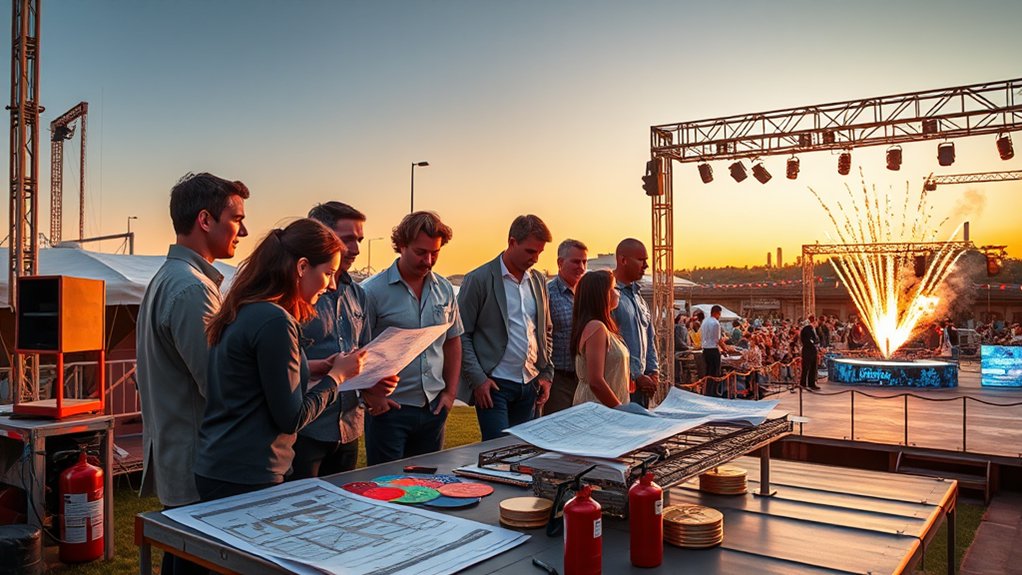
When budgeting for your fireworks display, it’s crucial to estimate costs accurately, as even a short show can become expensive quickly. Make sure to allocate funds for safety measures to protect both the audience and the operators. For instance, consider hiring trained professionals and setting up safety barriers. Additionally, be aware that the cost of the display directly affects your overall budget. Also, remember to include a contingency budget for any unexpected expenses that may crop up as the event approaches.
Estimating Total Costs
Estimating the total costs for a fireworks display involves careful planning.
Begin by considering the price of fireworks, which generally ranges from £1,000 to £1,200 per minute, depending on the length and intricacy of the show. If you want to add features like music synchronization or detailed choreography, be prepared for costs to potentially double.
Standard packages for shorter displays typically fall between £3,000 and £4,000, while larger events can exceed £20,000.
Remember to include expenses for permits, insurance, and safety personnel, as these can significantly impact your final budget.
Allocating Safety Funds
When planning a fireworks display, allocating safety funds is crucial for a successful and safe event. Start by budgeting for comprehensive insurance to cover property damage and liability, which generally takes up 5-10% of your overall budget.
Allocate around £20,000 annually for thorough training programmes to ensure your crew is well-prepared and up to date with safety protocols.
Don’t forget about legal requirements; set aside £2,500 to £5,000 for permits and audits to steer clear of penalties.
It’s also vital to invest in safety infrastructure, including perimeter fencing and fire suppression equipment.
Regular risk assessments will inform your safety funding, helping you adapt to unexpected challenges and ensuring a safe experience for all involved.
Contingency Budget Planning
Effective contingency budget planning is crucial for ensuring your fireworks display goes off without a hitch, especially when unexpected issues crop up. Set aside 10-15% of your total budget for a contingency fund to cover unforeseen costs, such as extra fireworks or emergency repairs.
Given the unpredictable nature of pyrotechnic expenses, it’s wise to retain a slightly larger percentage. Remember to factor in technical and safety compliance contingencies separately to prevent overspending.
If you encounter last-minute permit fees or equipment failures, having flexibility with your contingency funds allows for quick adjustments. Shop around for competitive prices on fireworks and accessories to maximise savings, and always be prepared for weather-related contingencies that might necessitate rescheduling or additional equipment.
A well-planned budget ensures your event remains a spectacular success.
Choosing the Right Fireworks

Choosing the right fireworks can elevate your event, captivating your audience with impressive visuals and vibrant bursts of colour.
Start by selecting a mix of aerial shells and multi-shot cakes for a striking display. Use reds for passion, greens for nature, and blues for calmness to convey different themes.
Incorporate mines for explosive starts and gerbs for long-lasting showers of sparks to keep your audience engaged. For the finale, choose high-intensity shells that combine multiple effects for a stunning climax.
Aim for a balance of brightness and intricate patterns to maintain a dynamic rhythm throughout the show. With careful selection, you’ll create a memorable display that resonates with everyone.
Safe Handling and Storage of Fireworks

When planning a fireworks display, ensuring the safe handling and storage of pyrotechnics is crucial to prevent accidents and protect everyone involved.
Follow strict safety protocols by pre-loading larger shells to reduce handling during the show. Always check that shells fit properly in mortars to avoid misfires. Use non-flammable lighting, like torches, in firing and ready boxes, and never lean over mortars during ignition.
For storage, keep fireworks in a cool, dry place, away from unauthorised personnel. Store live fireworks separately from ignition sources and adhere to local regulations regarding storage limits.
Conduct a thorough inventory before and after the event, marking any unused items or duds to maintain safety and accountability throughout the process.
Firing Methods: Manual vs. Electronic

When it comes to firing methods for fireworks displays, choosing between manual and electronic options can significantly affect both safety and show quality. Here’s a brief comparison:
1. Manual Firing: This method is straightforward and more affordable but requires you to be close to the fireworks, which increases risk.
It also limits your ability to synchronise multiple fireworks, making complex displays challenging.
2. Electronic Firing: This approach allows you to activate fireworks remotely, improving safety and enabling precise synchronisation for choreographed shows.
However, it can be more costly due to the need for specialised equipment and operator training.
3. Maintenance: Both methods require regular upkeep, but electronic systems often need more attention because of their intricate wiring and components.
Consider these factors carefully to determine the best firing method for your event.
Event Day Operations and Safety Protocols

To ensure a successful fireworks display, it’s vital to establish clear event day operations and safety protocols that prioritise audience enjoyment and safety.
First, maintain a safe distance for fireworks; the crowd should be positioned at least one and a half times the height of the tallest firework shell away from the firing area. Make sure the audience is upwind and employ staff for effective crowd management, enforcing restricted zones.
Obtain all necessary permits and coordinate with local authorities for any road closures. Have fire services and emergency medical services (EMS) on standby for emergencies, and ensure your team is trained on response protocols.
Lastly, keep the launch area tidy and organised to reduce hazards, guaranteeing a smooth and safe event for everyone.
Monitoring Weather Conditions

When planning your fireworks display, it’s crucial to monitor the weather conditions that could affect safety and performance.
Keep an eye on wind speed, watch for rain or damp conditions, and be mindful of extreme temperatures. These factors not only influence how the fireworks perform but also the safety of your audience.
For instance, high winds can cause fireworks to drift towards the crowd, while wet conditions can dampen the effectiveness of the pyrotechnics.
Stay alert and be ready to make adjustments as needed to ensure a successful show.
Wind Speed Assessment
Assessing wind speed is crucial for the safety and success of a fireworks display, as it affects both the performance of the aerial shells and the safety of the audience.
Keep these key points in mind during your wind speed evaluation:
- Trajectory Impact: Wind can alter the ascent and descent of aerial shells, changing their intended path.
- Safety Limits: There’s no universal wind speed limit; even a gentle breeze of 5 mph can pose risks depending on other conditions.
- Wind Direction: Winds blowing towards the audience significantly increase the risk of debris and smoke.
Rain and Moisture Impact
Despite seeming like a minor issue, rain can greatly affect a fireworks display. It’s crucial to monitor weather conditions for both performance and safety. Rain can dampen pyrotechnics, causing misfires and inconsistent effects. Here’s a simple reference table on the effects of moisture:
| Moisture Impact | Consequence | Safety Measure |
|---|---|---|
| Damp pyrotechnics | Misfires or failure to ignite | Use waterproof coverings |
| Wet fuses/connectors | Ignition reliability issues | Regular inspections |
| Increased shell weight | Altered trajectory | Elevated storage |
| Reduced visibility | Dull colours and effects | Real-time weather monitoring |
To ensure safety during rain, stay vigilant about the conditions and be prepared to adapt for a successful display.
Temperature Considerations
To ensure a successful fireworks display, it’s crucial to monitor temperature conditions, as they significantly impact the performance and safety of pyrotechnics.
Neglecting temperature effects can result in misfires or unpredictable displays.
Here are some essential strategies for monitoring temperature:
- Use electronic weather stations for real-time readings at the site.
- Employ thermal imaging to identify hot spots that might lead to accidental ignition.
- Regularly review local weather data alongside on-site measurements for comprehensive oversight.
Crowd Control and Safety Perimeters
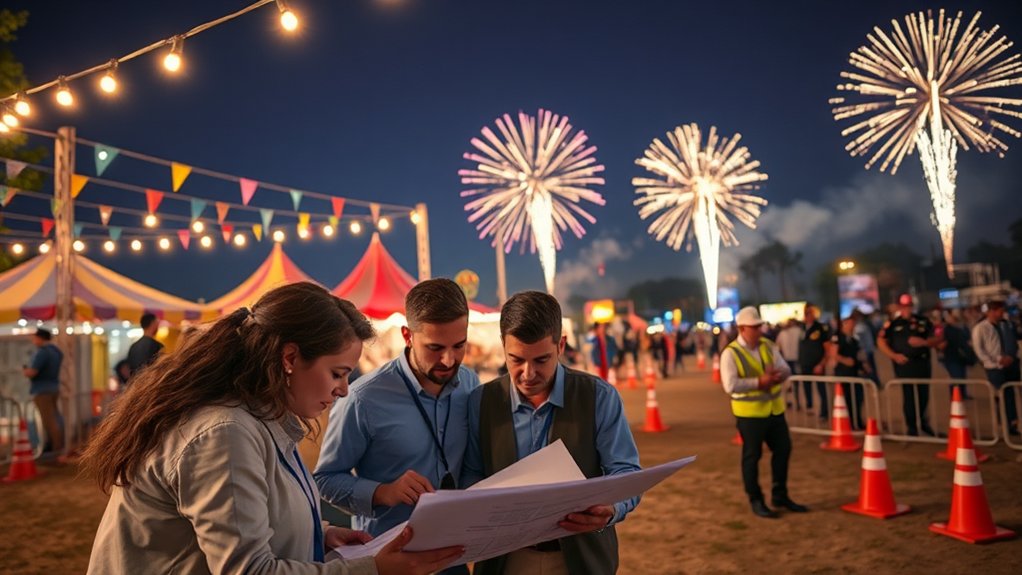
When planning your fireworks display, it’s vital to establish effective crowd control and safety perimeters to ensure a safe and enjoyable experience.
Use visible barriers, such as steel barricades, to clearly mark hazardous areas and guide attendees, helping to manage crowd flow. Provide clear signage to inform guests about restricted zones, which can deter unauthorised access.
Design the event layout to maintain clear pathways, minimising bottlenecks and enhancing safety. Position trained staff at key points to monitor crowd movement and enforce safety regulations.
Additionally, consider utilising technology like CCTV and drones for real-time surveillance, allowing for a swift response to any crowd-related issues.
Thoughtful planning will create a safer environment for everyone involved.
Emergency Preparedness and Response
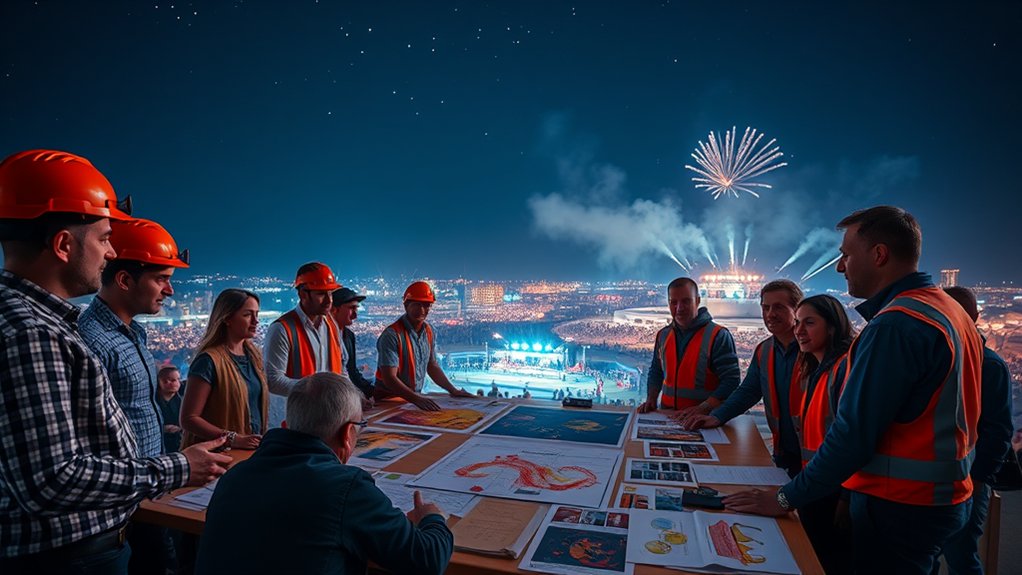
When organising your fireworks display, it’s crucial to set up a clear emergency communication plan so everyone understands their roles in case of an incident.
Ensure that first aid resources are on hand, with trained personnel ready to assist anyone who may need help.
Emergency Communication Plan
Developing an effective emergency communication plan is crucial for ensuring a safe fireworks display at your festival. Here are key steps to consider:
- Liaise with Emergency Services: Confirm the availability of fire and ambulance units, and set up clear communication channels among all involved parties.
- Use Reliable Communication Tools: Identify both primary and backup systems. Ensure devices such as radios and torches are tested and ready for emergencies.
- Conduct Emergency Drills: Train your team, including stewards and marshals, on their roles and procedures in the event of an emergency.
These strategies will streamline communication during crises, enabling quick responses and reducing risks.
Keep your team informed and ready to act swiftly in unexpected situations.
First Aid Readiness
To ensure the safety of festival-goers during a fireworks display, it’s crucial to prioritise first aid readiness from the outset of your planning.
Work closely with local fire services to confirm compliance with first aid and emergency medical service (EMS) requirements. Depending on the event’s risk level, consider hiring qualified medical personnel, ranging from CPR-trained responders to full first aid tents.
Provide first aid training for staff to help prevent injuries and treat common firework-related issues, such as burns and eye injuries.
Make sure to stock a comprehensive first aid kit with items like sterile saline, dressings, and pain relief medication.
Establish clear communication channels with your EMS team to ensure a swift response during emergencies.
Being prepared is key to maintaining a safe environment for everyone.
Post-Show Inspection and Cleanup

Post-Show Inspection and Cleanup
After the fireworks display, a thorough inspection and cleanup are vital for safety and environmental compliance. Follow these steps to ensure effective post-show procedures:
- Safety Gear: Always wear personal protective equipment (PPE), such as flame-resistant clothing, to reduce the risk of burns during cleanup.
- Initial Inspection: Wait at least 15 minutes after the show for the devices to cool down. Then, check for misfires or duds, and mark any unexploded shells clearly.
- Cleanup Management: Use non-incendive lighting during cleanup, set clear boundaries for the fallout zone, and ensure all debris is removed to restore the site.
Frequently Asked Questions
How Long Does a Typical Fireworks Show Last?
A typical fireworks display lasts between 3 to 25 minutes, depending on the occasion. When planning a show, it’s important to consider audience engagement and budget to find the right duration that keeps everyone captivated without dragging on too long. For instance, a community bonfire night might lean towards the longer end, while a small celebration could be shorter and more concise.
Can Fireworks Be Used During Daytime Events?
Yes, you can use fireworks during daytime events, but visibility can be tricky. It’s essential to address safety concerns by obtaining the necessary permits and managing the display properly. For example, using larger shells or adding smoke effects can enhance visibility. This way, you can create an enjoyable experience for the audience while minimising risks associated with daytime fireworks.
What Type of Music Pairs Well With Fireworks?
Fireworks are like a symphony in the sky. Genres such as classical, pop, or EDM can really enhance the experience. The right music makes each burst more exciting and synchronises beautifully with the visuals. For instance, playing a dramatic classical piece can amplify the grandeur of a fireworks display, while upbeat pop songs can add a fun, festive atmosphere. Ultimately, the right soundtrack turns a good show into a memorable one.
Are There Age Restrictions for Attending Fireworks Shows?
Yes, there are age restrictions for attending fireworks displays. Safety regulations often state that attendees should be at least 18 years old. It’s important to check local laws to ensure a family-friendly environment, prioritising safety for everyone involved.
How Can We Promote Our Fireworks Show Effectively?
How can you effectively promote your fireworks display? Use social media to showcase eye-catching visuals, engage with your local community through genuine interactions, and generate excitement with compelling content. This approach will help build anticipation and boost attendance for your fireworks show.
Conclusion
In the world of fireworks, “the best laid plans of mice and men often go awry.” However, with careful planning and attention to detail, you can put on a spectacular show that captivates your audience while ensuring everyone’s safety. Start by choosing the right venue and securing the necessary permits. Make sure to have an emergency plan in place, so you’re prepared for any unforeseen circumstances. By taking these steps, you’ll create a memorable festival experience. Embrace the excitement, and let your fireworks illuminate the night sky!


