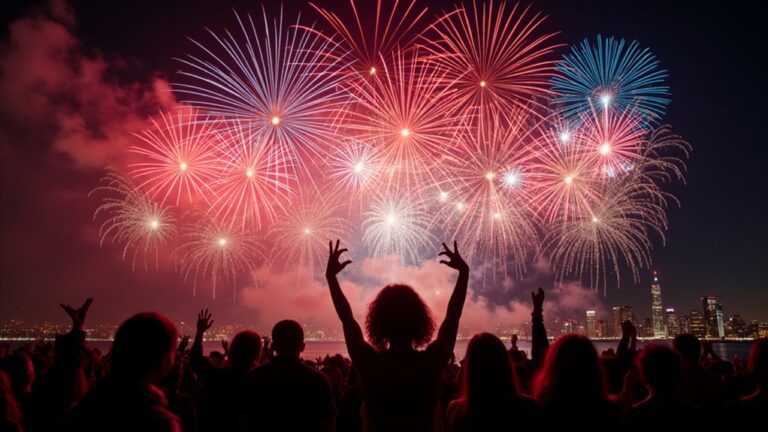
When planning a countdown fireworks display, begin by obtaining the necessary permits and ensuring you comply with local regulations. Select a suitable venue that has plenty of space and minimal hazards. Assess the layout for effective crowd management, keeping safe distances and clear exit routes in mind. Pay attention to wind conditions and potential risks to ensure spectator safety. Have a detailed emergency plan in place, along with qualified medical support on-site. If you want to enhance both safety and excitement for your event, there’s plenty more to consider!
Key Takeaways
- Ensure you obtain the necessary permits at least 30 days in advance and consult with local fire authorities for approval before organising the event.
- Choose a suitable venue that has ample space, is free from obstacles, and complies with local regulations regarding fireworks displays.
- Engage a licensed operator who is well-versed in safety protocols, setup, and emergency procedures to effectively manage the fireworks display.
- Implement clear crowd management strategies, including designated safe viewing areas and emergency exit routes to ensure the safety of spectators.
- Keep a close eye on wind conditions and prepare a plan for managing debris to protect both the audience and the surrounding environment during the display.
Understanding Fireworks Categories and Operators
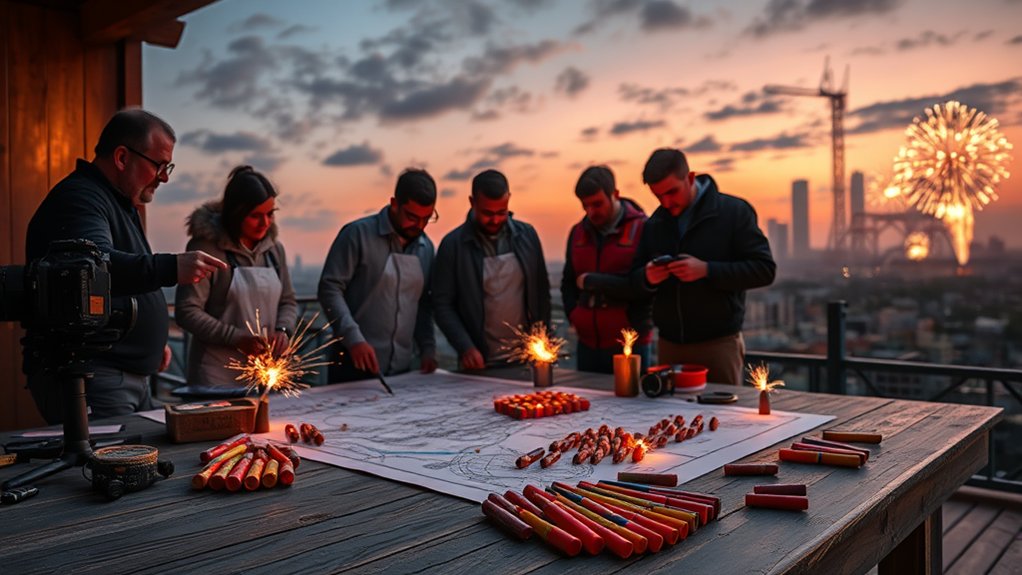
When planning a countdown fireworks display, it’s essential to grasp the different categories of fireworks and the qualifications required for operators. In the UK, fireworks are mainly classified into two categories: Category F2 and Category F3.
Category F2 fireworks are for use in outdoor displays and can be handled by individuals without a special licence, although they must follow safety regulations. These include common items like sparklers and small rockets, which are popular for private events.
On the other hand, Category F3 fireworks are professional-grade and require trained operators. These larger, more complex fireworks can produce significant effects and must be handled by licensed professionals who are knowledgeable about safety protocols and emergency procedures. Understanding the legal classifications of fireworks is crucial for selecting the right type for your event.
It’s crucial to ensure that operators for Category F3 fireworks are thoroughly trained in setup, firing protocols, and safety distances to ensure a successful and safe display.
Being aware of these distinctions will help you create a memorable event while prioritising safety.
Securing Necessary Permits and Legal Compliance

Securing the necessary permits and ensuring legal compliance is crucial for a successful fireworks display.
Begin by identifying the required permits, such as a display fireworks licence, which should be submitted at least 30 days prior to your event. Provide detailed information about the event, including dates, times, and safety measures.
It’s wise to liaise with local fire authorities for preliminary approval and use online application systems to simplify the process. Ensure your fireworks operator is licensed and meets all legal requirements.
Additionally, secure public liability insurance with a minimum cover of £1,000,000 to safeguard against potential claims.
Remember to arrange mandatory safety inspections to comply with local safety regulations before your permit is issued. Furthermore, ensure your application includes proof of insurance to satisfy local council requirements.
Choosing the Right Venue for Safety

Choosing the right venue for your fireworks display is crucial for both the success of the event and the safety of all attendees.
Start by selecting a location that offers a minimum firing area of 50m x 20m, with a larger drop zone of 100m x 50m for spent fireworks. Conduct a thorough safety assessment to create a restricted safety zone around the firing area, keeping non-essential personnel out.
Opt for open spaces that are free from overhead obstructions and away from flammable materials. Ensure there are clear access points for pedestrians and vehicles, allowing emergency services to respond quickly if needed. Additionally, always confirm that the venue allows fireworks to ensure compliance with local regulations. It is also important to obtain necessary permits from local authorities to avoid any legal issues.
Lastly, check that the ground is stable and that there’s adequate lighting and signage to ensure a safe event.
Assessing Site Layout and Crowd Management

When planning your countdown fireworks display, assessing the site layout and crowd management is crucial for safety and enjoyment. Establish safe distances for spectators, create clear exit routes, and implement effective crowd control measures. For example, using barriers can help guide people and prevent overcrowding. Additionally, implementing crowd management strategies ensures that emergency exit pathways remain clear and accessible for all attendees. It is also essential to maintain a safe distance for the audience, at least 1.5 times the height of the tallest firework, to enhance safety during the display.
Safe Spectator Distances
To ensure a safe and enjoyable fireworks display, it’s crucial to assess spectator distances based on the site layout and crowd management. Following distance regulations enhances safety and reduces risks.
Here are some key points to consider:
- Maintain a minimum safe distance of 70 feet for every inch of aerial shell calibre.
- Clearly mark viewing areas to keep spectators out of hazard zones.
- Use barriers to separate spectator areas from launch sites.
- For larger displays, plan for a distance of at least 200 to 500 feet.
- Employ trained staff to manage crowd control and safety measures effectively.
Clear Exit Routes
When planning your fireworks display, ensuring clear exit routes is crucial for the safety of all attendees.
Design effective exit paths by providing at least two separate routes from every location to avoid congestion in an emergency. Exit doors should swing outwards and remain easily accessible, while any openings in temporary structures must be a minimum of 1.1 metres wide.
Illuminate exit routes with clear evacuation signage that stands out against the background for maximum visibility. Keep aisles at least 71 centimetres wide and ensure fire lanes are a minimum of 4.3 metres wide for emergency vehicles.
Regularly check these routes to keep them clear of obstacles, ensuring a swift and safe evacuation for everyone.
Crowd Control Strategies
Effective crowd control strategies are vital for ensuring the safety and enjoyment of all attendees at your fireworks display. To achieve this, concentrate on a clear site layout and efficient management techniques:
- Use barriers to enhance visibility and guide crowd movement.
- Create designated viewing areas to segment the crowd.
- Utilise movable barriers to adapt to changing crowd dynamics.
- Clearly mark access points to control entry and prevent congestion.
- Train staff to monitor behaviour and direct attendees effectively.
Managing Wind Conditions and Safety Hazards
To ensure a safe fireworks display, closely monitor wind direction, as it significantly affects debris management and audience safety.
Have contingency plans ready for changing winds, allowing you to respond swiftly to conditions and keep everyone safe.
Wind Direction Monitoring
Monitoring wind direction is crucial for the safety and success of a fireworks display, as even minor shifts can significantly affect trajectories and increase risks.
By grasping wind patterns, you can conduct thorough safety assessments to protect both your audience and the surrounding area.
Here are some practical strategies for effective wind direction monitoring:
- Use portable weather stations with anemometers for real-time data.
- Employ Doppler radar systems to predict sudden wind changes.
- Gather data from various heights to identify layered wind profiles.
- Set up buffer zones based on wind forecasts.
- Keep all crew members informed about wind conditions for prompt adjustments.
Debris Management Strategies
When planning a countdown fireworks display, effective debris management is crucial for safety and minimising environmental impact. Use reusable bags for immediate collection to contain debris and simplify disposal.
Always soak spent fireworks debris in water for at least 15 minutes to ensure they’re completely extinguished before handling. Securely bag the debris to prevent accidental ignition during transport.
Avoid placing firework debris in public bins immediately to lower fire risks. Instead, coordinate with local fire stations for proper disposal methods.
For leftover fireworks, store them in a cool, dry place and follow local regulations to ensure environmental compliance. Regularly check storage and disposal areas to maintain safety and prevent hazards, ensuring a successful display.
Contingency Planning Essentials
When organising a countdown fireworks display, having a robust contingency plan is crucial for managing wind conditions and safety risks.
Here are some key points to consider:
- Ensure wind speeds are below 10 mph; be prepared to adjust plans if they exceed 20 mph.
- Keep an eye on wind direction to prevent smoke and debris from blowing towards the audience.
- Have alternative arrangements ready to adapt to changing conditions.
- Secure fireworks properly and check mounts regularly throughout the event.
- Maintain clear safety perimeters and have fire suppression equipment readily available.
Setting up Fireworks With Proper Protocols

To ensure a safe and successful fireworks display, it’s crucial to follow strict protocols right from the start. First, secure all necessary permits, including local council approvals and any relevant safety licences.
Set up site security to prevent unauthorised access and protect the fireworks from moisture. Only trained personnel should be present, and smoking or the use of electronic devices must be strictly prohibited in the immediate vicinity.
During the setup, wear full protective gear and inspect all equipment to ensure it’s stable and properly fitted. Always use safe loading practices—never place any part of your body over the mortars.
Appoint a qualified operator to manage the display, establish clear emergency procedures, and maintain communication with safety agencies.
Planning an Engaging Fireworks Display

Once you’ve established safety protocols and secured the necessary permits, it’s time to create a fireworks display that truly engages your audience.
Here are some key elements to consider:
- Use a mix of sizes, colours, and sounds to keep things interesting.
- Sync the fireworks to music for a unified, themed experience.
- Ensure spatial balance by positioning fireworks symmetrically to enhance their impact.
- Vary the tempo; alternate between intense bursts and quieter pauses.
- Incorporate dynamic visuals by launching multiple fireworks simultaneously for added movement.
This approach will help ensure your display is both captivating and memorable.
Implementing Bonfire Safety Measures
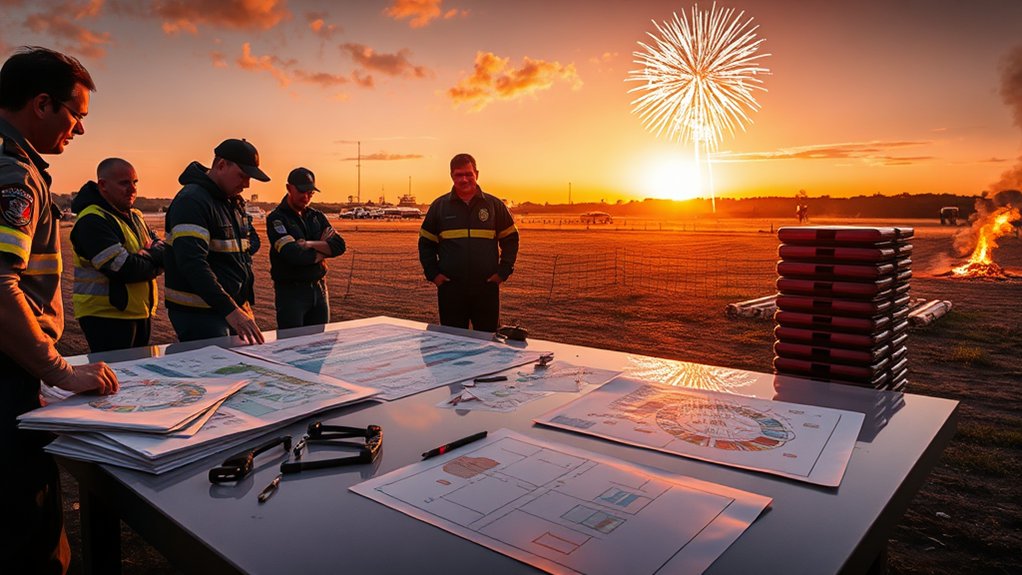
When planning a bonfire, safety should be your top priority to ensure everyone has a good time without risks. Start by choosing a clear space, away from anything flammable, and follow local bonfire regulations regarding the distance from spectators and buildings.
It’s wise to have fire services on standby and carry out pre-event checks to ensure everything is compliant.
Use non-flammable materials for your bonfire and stack wood securely to minimise hazards. Assign a qualified person to oversee safety, and provide fire safety training for all staff involved.
Make sure to have fire extinguishers on hand and access to multiple water sources for emergencies.
After the bonfire, monitor the area to ensure all embers are fully extinguished, allowing for a safe cleanup and a successful event.
Preparing for Emergencies and Medical Needs

When organising a fireworks display, ensuring emergency preparedness and medical needs are met is crucial for the safety of all attendees.
Here are some key steps:
- Appoint someone to contact emergency services swiftly if required.
- Create a detailed emergency plan that covers potential incidents, such as fires or injuries.
- Train staff and volunteers in emergency response procedures and run drills beforehand.
- Ensure qualified emergency medical services (EMS) are on-site, alongside clearly marked first aid stations stocked with essential medical supplies.
- Strategically position fire extinguishers and evacuation routes to respond effectively to any emergencies.
Ensuring Effective Communication During the Event

To ensure a successful fireworks display, it’s essential to have a solid communication system in place, including clear emergency protocols and dependable equipment.
Setting up dedicated channels for emergency coordination allows for quick responses to any unforeseen circumstances.
Emergency Protocols Coordination
Effective communication during a countdown fireworks display relies on precise coordination among all parties involved.
To ensure safety and efficiency, focus on these key elements:
- Contact local fire, police, and ambulance services ahead of the event for a comprehensive briefing.
- Conduct emergency drills with staff to ensure everyone understands their roles and procedures.
- Share a detailed site map with emergency services, clearly marking the locations of fireworks and exits.
- Implement standard incident reporting processes to document emergencies quickly and accurately.
- Maintain a clear chain of communication among the operator, assistants, and responders for real-time updates.
Communication Equipment Setup
When organising a countdown fireworks display, it’s crucial to set up reliable communication equipment to ensure smooth coordination among team members. Use wireless devices such as walkie-talkies and digital radios for instant communication, ensuring they have strong signal strength and sufficient battery life. Protect your equipment with weatherproof cases and check signal connectivity before the event.
| Equipment Type | Key Features |
|---|---|
| Walkie-Talkies | Instant communication |
| Smartphone Modules | Remote ignition control |
| Signal Repeaters | Extended wireless coverage |
Position devices for optimal line of sight and conduct pre-event tests to confirm that all systems are functioning properly. Always have backup devices on hand to maintain communication throughout the event.
Cleaning Up and Environmental Considerations
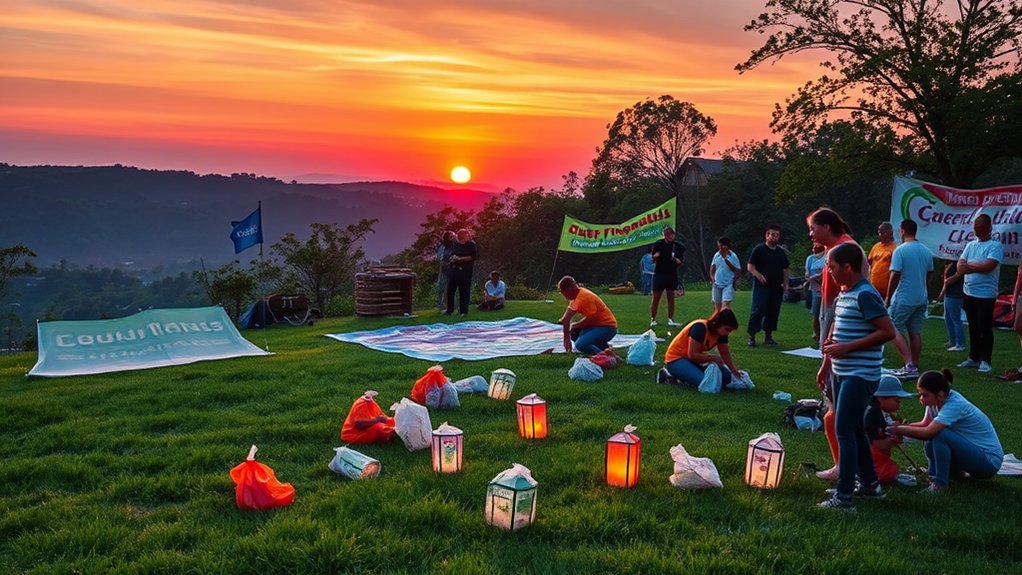
Cleaning up after a fireworks display is crucial for safeguarding the environment and ensuring community safety. Here are some straightforward cleanup strategies that can minimise the impact of fireworks:
- Soak used fireworks in water for at least 15 minutes to prevent any risk of ignition.
- Place the soaked fireworks in sealable plastic bags to keep the debris contained.
- Dispose of the waste through your local waste management services.
- Organise cleanup teams promptly to collect debris, particularly around water bodies.
- Raise awareness among attendees about the importance of proper disposal to foster community responsibility.
Frequently Asked Questions
What Types of Fireworks Are Best for a Countdown Display?
For a countdown display, use a combination of aerial shells for impressive bursts and ground effects for vibrant visuals. This mix keeps the audience engaged and builds excitement as the countdown progresses. For example, you might choose large, colourful aerial shells that light up the sky alongside bright fountains or sparklers on the ground. This approach creates a dynamic and thrilling experience.
How Can I Enhance the Visual Effects of Fireworks?
To enhance your aerial displays, concentrate on colour coordination and synchronising effects. Use vibrant shades, incorporate strobe bursts for added drama, and layer visuals thoughtfully. This approach will elevate the spectacle, leaving your audience truly impressed, much like a digital artwork.
What Is the Ideal Duration for a Fireworks Show?
The ideal duration for a fireworks display is usually between 15 to 25 minutes. A show lasting around 15 to 20 minutes is ideal; it keeps the audience engaged without losing their attention, providing an exciting yet memorable experience without overwhelming them.
How Do I Choose Music to Accompany the Display?
Did you know that music can enhance emotional responses by as much as 50%? Choose a variety of music genres that suit the atmosphere of your display. For example, use classical music for a sophisticated event or upbeat pop for a lively gathering. Ensure the timing of the music aligns perfectly with your display to create a memorable experience for attendees.
What Should Be Done if It Rains on the Event Day?
If it rains on the day of the event, activate your rain contingency plan. Prioritise safety by keeping an eye on the weather, securing any equipment, and informing attendees of any changes. Make sure staff adhere to procedures to effectively manage risks and ensure everyone’s safety. For example, if the event is outdoors, consider moving activities indoors or providing cover for guests.
Conclusion
As you plan your countdown fireworks display, remember that safety and organisation are crucial for a stunning event. Much like a perfectly timed dance, every aspect needs to align seamlessly. By securing the necessary permits, managing the crowd effectively, and preparing for emergencies, you’ll ensure a fantastic show that keeps everyone safe and entertained. So, get your planning underway, and get ready to impress the audience under the night sky!