
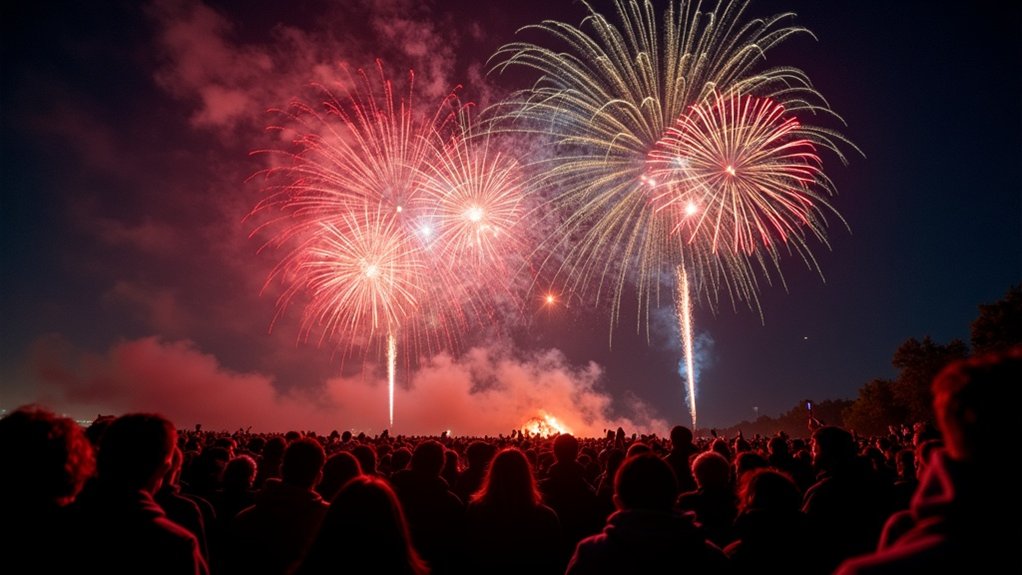
You can definitely enjoy Bonfire Night without a fire; many events these days focus solely on fireworks. This change prioritises safety and entertainment, with organised displays drawing large crowds. Fireworks alone create a lively atmosphere and foster community spirit. However, it’s crucial to consider safety regulations and the environmental impact of fireworks. Being mindful of these factors can enhance your experience. Explore how modern celebrations are evolving while addressing these important concerns.
Key Takeaways
- Bonfire Night has shifted its focus towards fireworks rather than traditional bonfires, reflecting a change in cultural preferences for entertainment and safety.
- Organised firework displays are a safer option and are often recommended, minimising the risks associated with using personal fireworks.
- Fireworks still commemorate the historical significance of Guy Fawkes Night while offering a visually stunning experience.
- Eco-friendly and low-noise fireworks are becoming popular alternatives, addressing growing environmental concerns during celebrations.
- Community events that centre around fireworks help boost local economies and foster a sense of togetherness, all while avoiding the dangers associated with bonfires.
Historical Context of Bonfire Night
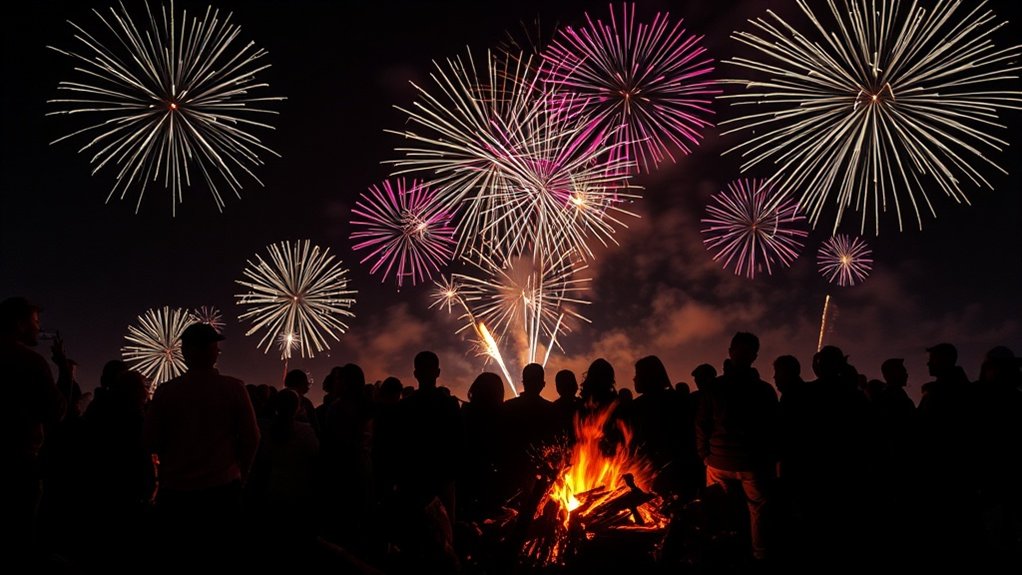
Bonfire Night, celebrated on November 5th, has its roots in a pivotal historical event known as the Gunpowder Plot of 1605. This plot aimed to assassinate King James I and members of Parliament, driven by political motives and anti-Catholic sentiment.
Key figures included Robert Catesby, the plot’s mastermind, and Guy Fawkes, who was caught guarding explosives beneath the House of Lords.
After the plot failed, Parliament declared November 5th a day of national thanksgiving in 1606, mandating religious observances to mark the occasion. The Gunpowder Plot serves as a significant reminder of the political and religious tensions that shaped British history.
This backdrop highlights a time when Catholics were persecuted and sought greater freedoms under King James. Understanding this history is crucial to appreciating the ongoing significance of Bonfire Night in British culture.
The Evolution of Celebrations Over Time
Bonfire Night has changed a lot over the years. What started as spontaneous gatherings has now become organised events. This shift reflects wider cultural changes, as stricter safety rules have curbed traditional bonfires. Nowadays, communities often prefer firework displays, with professional shows taking centre stage. We’re also seeing modern adaptations like light and drone displays, which are more environmentally friendly and reduce fire risks. Interestingly, the event commemorates the failed Gunpowder Plot against King James I, which has become less central to the celebrations. The original political message behind Guy Fawkes Night has faded too, with effigies now often addressing current social issues instead. Additionally, organized public displays ensure safe experiences with proper supervision, reinforcing the importance of safety considerations during celebrations. As public celebrations become more structured, the focus on spectacle can overshadow the historical significance of the event, marking a notable shift from its roots.
The Role of Fireworks in Modern Observance

Fireworks are central to modern Bonfire Night celebrations, turning the event into an exciting display that captures the attention of many. Originally symbolising the foiled Gunpowder Plot, their role has evolved from a historical commemoration to a source of entertainment. In many places, fireworks have taken over from traditional bonfires as the main attraction. Public displays, often organised by local charities, attract large crowds and promote community spirit. With over 12% of adults in the UK buying fireworks for personal use, their popularity is evident in the estimated £386 million spent on Bonfire Night. Additionally, a significant 67% of adults believe fireworks should only be used at organized displays, highlighting a preference for safety and community events. These fireworks not only create a festive atmosphere but also help to strengthen community connections, making them a key part of the celebration. Proper fireworks safety guidelines are essential to ensure a safe and enjoyable experience for all attendees.
Safety Regulations and Community Concerns
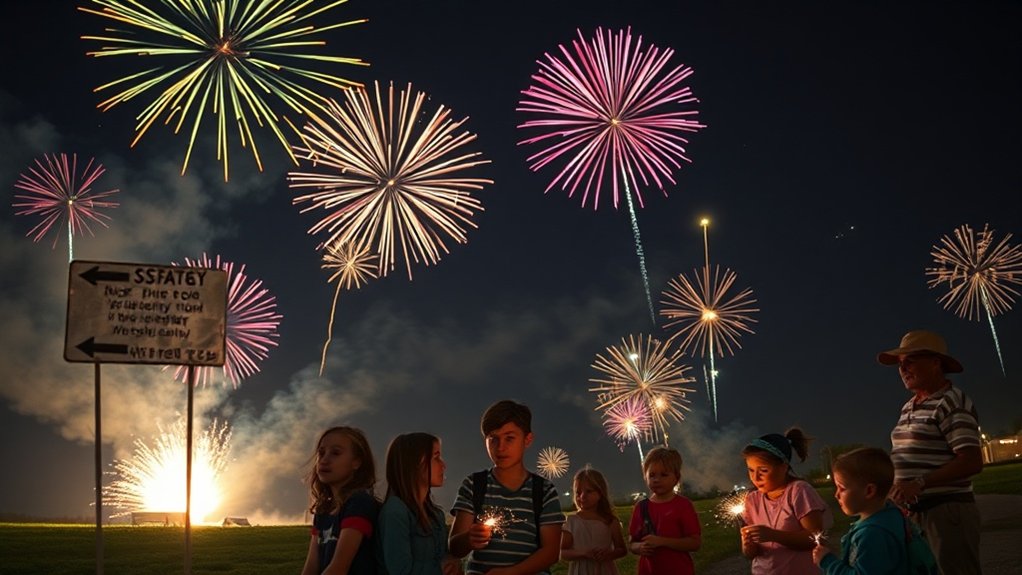
As Bonfire Night approaches, it’s vital to follow safety guidelines to keep your community safe. Talk to your neighbours about firework use to help address any concerns, especially for those with pets or vulnerable individuals. Additionally, consider public displays by trained professionals as a safer alternative for family celebrations.
Safety Protocols Implementation
When planning your Bonfire Night celebrations, it’s crucial to follow safety protocols that align with local regulations and address community concerns. Firework safety is vital; ensure all fireworks comply with safety standards and are purchased from reputable suppliers.
| Safety Protocols | Community Impact |
|---|---|
| Check local regulations | Reduce noise disturbances |
| Keep a safe distance | Protect vulnerable individuals |
| Set up emergency contacts | Build community trust |
| Prepare for emergencies | Ensure a safe environment |
Community Engagement Initiatives
Planning a successful Bonfire Night goes beyond safety protocols; it’s about engaging with your community to address safety regulations and concerns.
Collaborating with local councils is crucial for securing permissions to set off fireworks in public spaces. Clear communication helps ensure compliance with local rules, reduces disturbances, and fosters cooperation.
Informing your neighbours about your plans can promote understanding and minimise complaints. Use social media and local noticeboards to provide timely updates on event details.
Hosting community workshops can also raise awareness about firework safety and noise pollution. By effectively addressing these community concerns, you’ll help create a safer, more enjoyable Bonfire Night for everyone.
Environmental Impact of Traditional Celebrations
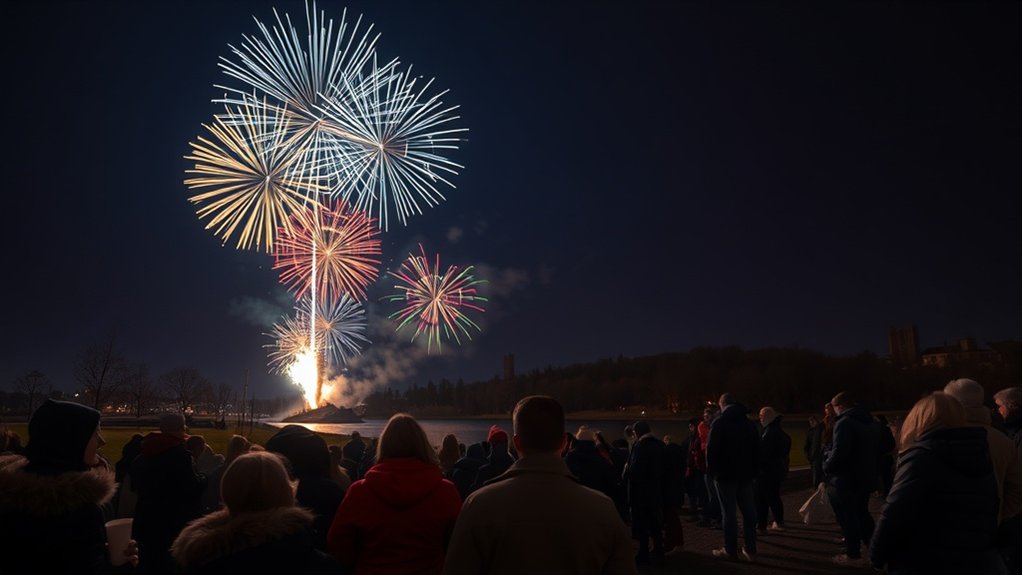
Traditional celebrations, such as Bonfire Night, can have serious environmental impacts that often go unnoticed. During these events, air pollution can spike significantly, with PM2.5 levels reaching 4-8 times above safe limits. For example, in Newcastle, PM2.5 levels soared from 20 to nearly 80 micrograms/m³.
Fireworks also release harmful chemicals, including heavy metals that can contaminate soil and water, posing risks to local wildlife.
Furthermore, noise and light pollution can disturb ecosystems, causing stress and even leading animals to abandon their habitats.
This pollution not only jeopardises community health but also emphasises the importance of being more environmentally conscious. As you celebrate, think about how your actions impact both the environment and the wellbeing of your community.
Fireworks-Only Events: A Growing Trend
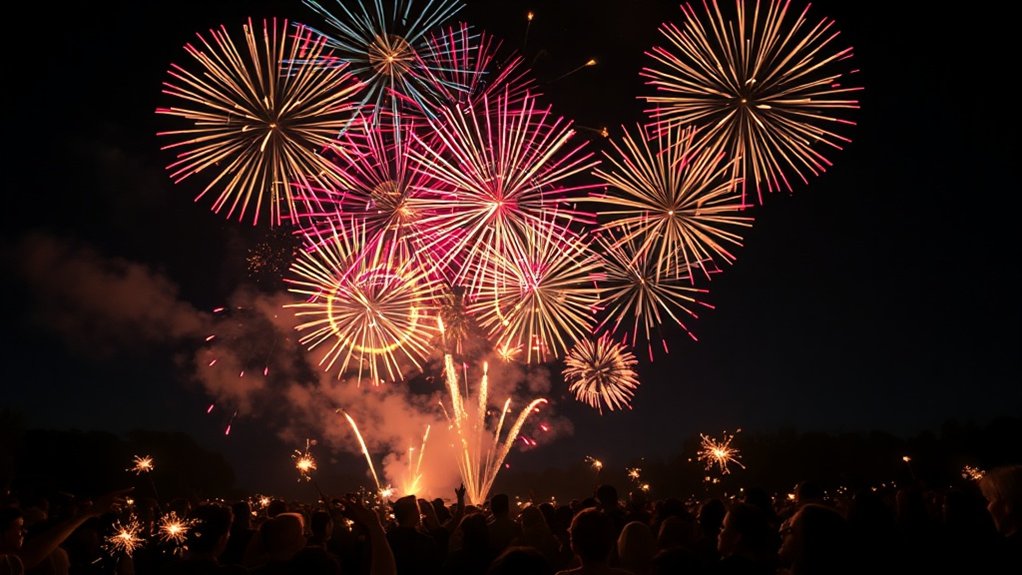
As you consider the trend towards fireworks-only events, you’ll find several key benefits.
These celebrations improve safety through expert planning and strict regulations, while also minimising environmental impacts typically associated with traditional bonfires.
They also foster community spirit, bringing neighbours together to enjoy a spectacular display.
Safety and Regulation Benefits
While many enjoy the thrill of fireworks, safety concerns are leading to a shift towards organised fireworks events.
These displays, often managed by professionals, adhere to strict safety standards, making them significantly safer than private displays. In fact, public events usually result in fewer injuries, with 81% of attendees feeling safe.
Regulations, such as age restrictions on fireworks purchases and the requirement for CE marking, further enhance safety.
By attending organised displays, you not only support your local community but also help reduce the risks associated with illegal firework sales.
Embracing this trend prioritises safety and highlights the importance of regulations that protect everyone involved.
Environmental Impact Considerations
Organised fireworks displays, known for their community spirit and excitement, are now facing increased scrutiny over their environmental impact.
While they provide a dazzling show, fireworks release harmful particulate matter and toxic chemicals that can temporarily breach air quality standards, posing risks to respiratory health.
Furthermore, residues from fireworks can contaminate local waterways, harming aquatic life. The noise pollution generated can disrupt wildlife and disturb nearby residents, underscoring the need for greater environmental awareness.
As public concern rises, many are calling for strategies to reduce pollution and advocate for greener alternatives.
In response, local councils are introducing stricter regulations, promoting low-emission fireworks, and even banning large private displays.
Ultimately, finding a balance between celebration and ecological responsibility is crucial for sustainable community events.
Community Engagement Opportunities
Firework-only events are becoming increasingly popular as a safer, more community-oriented alternative to traditional bonfire celebrations. These gatherings promote community involvement and encourage public participation, creating a secure environment for everyone. With 29% of adults intending to attend organised displays, it’s evident that interest is on the rise.
| Benefits | Community Impact | Safety Measures |
|---|---|---|
| Boosts local economy | Fosters community spirit | Visible security presence |
| Inclusive for all ages | Reduces neighbourhood disruption | Professional organisation |
| Safer than private displays | Encourages social interaction | Controlled environments |
Cultural Significance of Guy Fawkes Today
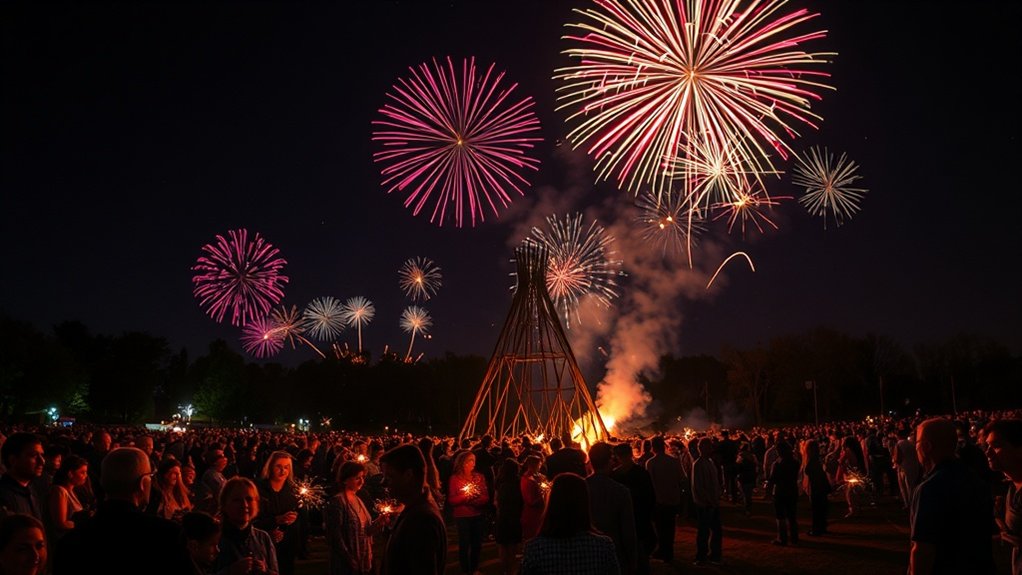
As the cultural landscape evolves, the significance of Guy Fawkes has shifted dramatically from his origins in the Gunpowder Plot to a modern symbol of rebellion and resistance.
Today, Fawkes represents various social movements, such as Anonymous and the Occupy Movement, embodying defiance against authority. The annual Million Mask March highlights his enduring impact in contemporary activism, with participants wearing masks to signify a collective identity.
While historical anti-Catholic sentiments have faded, modern interpretations focus on his role as a figure of rebellion rather than his religious affiliations.
The iconic mask, popularised by *V for Vendetta*, further cements his status as a symbol of freedom and challenge, showing how his legacy continues to inspire contemporary acts of rebellion.
Future of Bonfire Night Celebrations
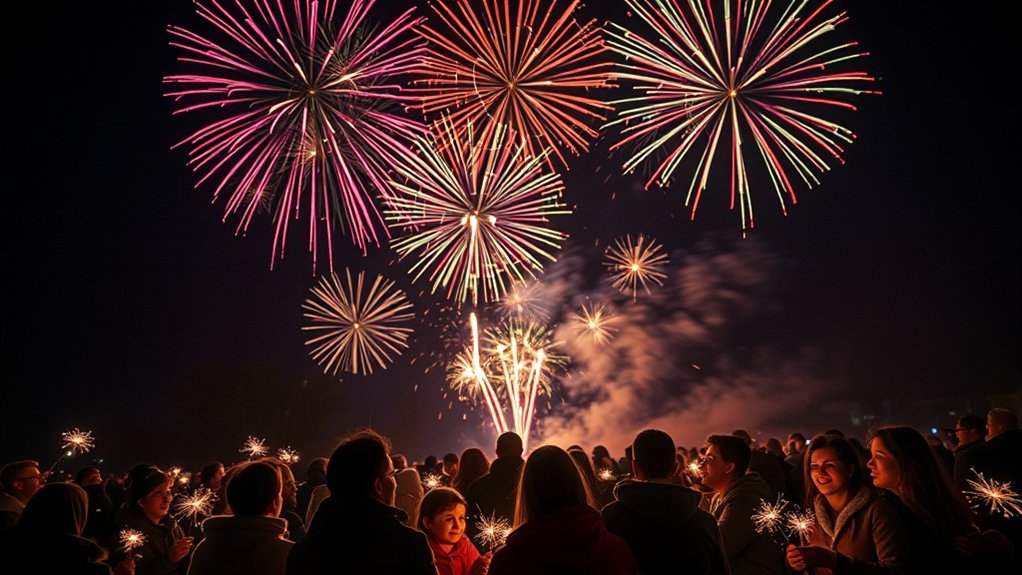
Bonfire Night, traditionally marked by fireworks and bonfires, is changing due to environmental and safety concerns.
Here are some innovations shaping the future of the celebrations:
- Drone Light Shows: A smoke-free, customisable alternative to traditional fireworks.
- Eco-Friendly Fireworks: New types are being developed to minimise pollution while still offering stunning displays.
- Organised Events: Local councils are hosting safer, professional displays with low-noise options for those who are sensitive to loud sounds.
- Theatrical Pyrotechnics: Light installations are being used to diversify entertainment options.
These developments highlight a community-focused shift towards safer and more sustainable Bonfire Night celebrations, allowing enjoyment to go hand in hand with environmental responsibility.
Frequently Asked Questions
What Are the Best Locations for Fireworks-Only Events?
The top locations for fireworks-only events in the UK include urban parks like Battersea and Greenwich, as well as picturesque venues such as St Ives. These sites are known for their lively fireworks festivals and community events, offering stunning backdrops that enhance the experience.
How Can I Participate in Fireworks-Only Celebrations?
To take part in fireworks-only celebrations, follow firework etiquette by adhering to safety guidelines, attending organised events, and enjoying local festivities. Remember, “safety first” ensures a memorable experience while exploring celebration options that focus on fun without the use of open flames.
Are There Any Age Restrictions for Attending Fireworks Events?
Yes, there are age restrictions for attending fireworks events in the UK. Generally, under-18s can attend public displays, but they must adhere to the event guidelines. It’s important to check the specific rules for each venue, as some may have additional age-related restrictions. For instance, family-friendly events often welcome all ages, while others may limit access to older teens. Always verify before heading out to ensure a safe and enjoyable experience.
What Safety Measures Are Taken at Fireworks-Only Displays?
At fireworks-only displays, safety is a top priority. Crowd control measures are in place to ensure everyone remains safe. Trained personnel manage the event, emergency services are on standby, and strict regulations ensure that the excitement is both thrilling and secure for all attendees.
How Do Fireworks-Only Events Impact Local Businesses?
Fireworks-only events benefit local businesses by driving up sales of fireworks and food. They attract crowds, which in turn support local shops and vendors, creating a vibrant atmosphere. These events also provide seasonal job opportunities, helping the community thrive.
Conclusion
As Bonfire Night changes, many communities are opting for fireworks-only displays, reflecting a shift in preferences and safety concerns. A recent survey revealed that over 60% of people now favour fireworks without bonfires, mainly due to safety and environmental issues. While this trend simplifies the celebrations, it brings into question the cultural significance of Guy Fawkes Night and the traditions that come with it. Finding a balance between safety, enjoyment, and heritage will be crucial for the future of Bonfire Night.


